
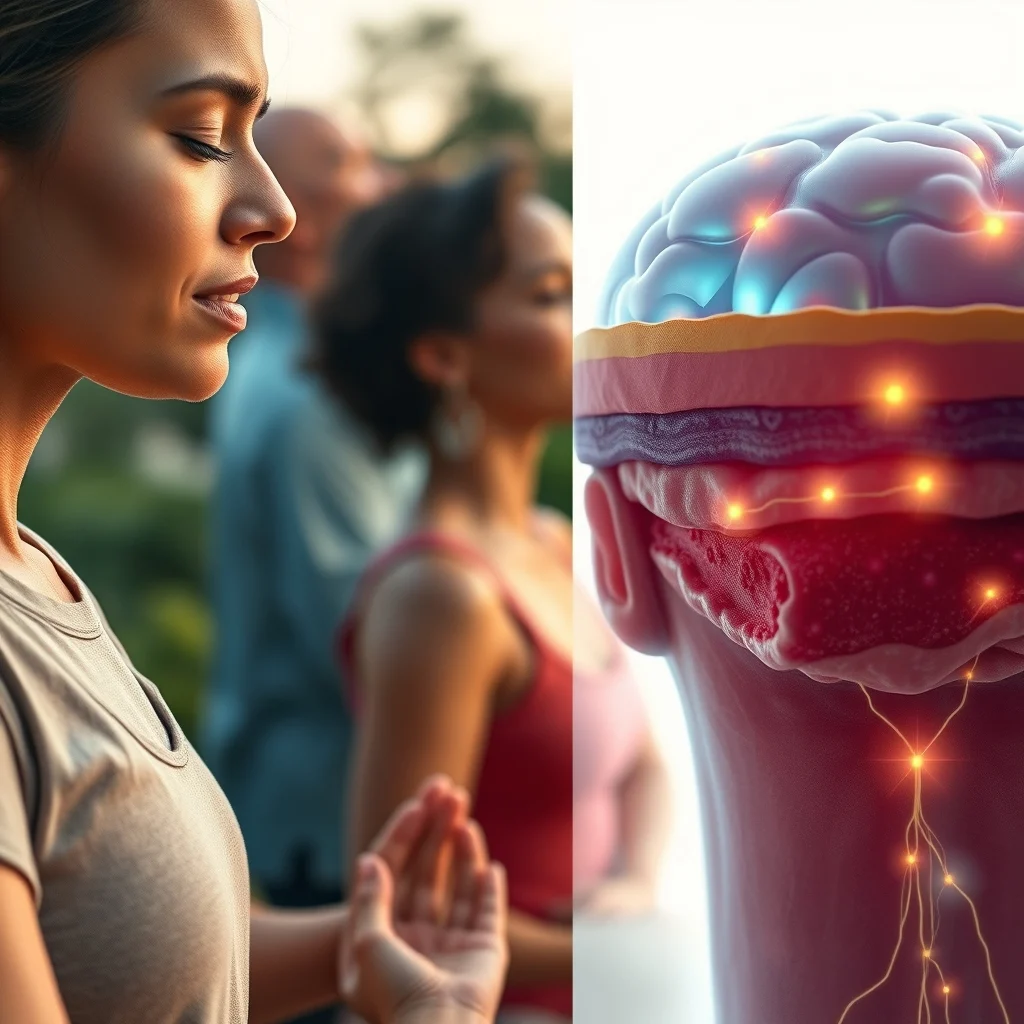
In a groundbreaking intersection of dermatology and psychology, recent studies reveal that emotional health directly impacts skin conditions, accelerating aging and exacerbating disorders such as acne, eczema, and psoriasis. Research conducted by the American Academy of Dermatology in 2023 found that 60% of individuals with chronic skin conditions report heightened stress levels, linking psychological distress to physiological skin responses. The field of psychodermatology, which examines the bidirectional relationship between the mind and skin, has gained traction globally, with clinics in the United States, Japan, and Germany integrating mental health support into dermatological treatment plans. This article explores the mechanisms behind this connection, the role of stress hormones like cortisol, and evidence-based strategies to mitigate their effects.
The Brain-Skin Axis: A Biological Pathway
The brain-skin axis refers to the complex communication network between the central nervous system and the skin, mediated by neuroendocrine and immune pathways. A 2022 study published in the Journal of Investigative Dermatology demonstrated that stress triggers the hypothalamic-pituitary-adrenal (HPA) axis, leading to the release of cortisol, a hormone that impairs skin barrier function and increases inflammation. Dr. Richard Granstein, a dermatologist at Weill Cornell Medicine, stated, “The skin is not just a passive target of stress; it actively participates in the stress response through its own local HPA axis.”
This interaction explains why conditions like atopic dermatitis and psoriasis often flare during periods of emotional turmoil. For instance, a 2021 study in JAMA Dermatology found that patients with generalized anxiety disorder were 30% more likely to develop severe eczema within six months of diagnosis. The skin, as the body’s largest organ, is densely populated with nerve fibers and receptors that respond to emotional stimuli, making it a visible barometer of internal stress.
Cortisol and Collagen: The Aging Accelerator
Chronic stress elevates cortisol levels, which directly degrades collagen and elastin, the proteins responsible for skin elasticity and firmness. A 2023 study by the University of California, San Francisco, revealed that individuals with persistently high cortisol levels exhibited a 20% reduction in collagen production over a five-year period. Dr. Elma Baron, a dermatologist at Case Western Reserve University, noted, “Cortisol not only breaks down existing collagen but also inhibits the production of new collagen, leading to premature wrinkles and sagging skin.”
The impact of cortisol extends beyond aging. Elevated levels increase sebum production, clogging pores and triggering acne outbreaks. A 2022 report from the American Academy of Dermatology highlighted that 70% of acne patients experienced worsening symptoms during high-stress periods, such as final exams or job transitions. This hormonal cascade underscores the need for stress management as a cornerstone of skincare.
Psychodermatology: Bridging Mental and Skin Health
Psychodermatology, a subspecialty recognized by the International Society of Dermatology, addresses the psychological components of skin diseases. Clinics in Berlin, Tokyo, and New York have adopted multidisciplinary approaches, combining cognitive behavioral therapy (CBT), mindfulness, and dermatological treatments. A 2023 pilot study at the Charité Hospital in Berlin found that patients receiving CBT alongside traditional eczema treatments showed a 40% reduction in symptom severity compared to those receiving only topical treatments.
Mindfulness practices, such as meditation and deep breathing, have also demonstrated efficacy in improving skin health. A 2021 study in Psychoneuroendocrinology reported that participants who practiced mindfulness meditation for eight weeks exhibited a 23% decrease in cortisol levels and a 15% improvement in skin hydration. These findings align with the growing body of evidence supporting the role of emotional regulation in dermatological outcomes.
Sleep, Stress, and Skin Regeneration
Quality sleep is critical for skin regeneration, as the body repairs cellular damage and produces collagen during deep sleep phases. A 2022 study in Clinical and Experimental Dermatology found that individuals sleeping fewer than six hours per night had a 30% higher likelihood of developing inflammatory skin conditions. The study also noted that poor sleep disrupted the skin’s circadian rhythm, impairing its ability to recover from environmental stressors like UV exposure and pollution.
Stress further disrupts sleep, creating a vicious cycle. The National Sleep Foundation reports that 45% of adults with insomnia cite stress as the primary cause. This sleep deprivation exacerbates skin conditions by increasing cortisol levels and reducing the production of melatonin, a hormone with antioxidant properties that protect skin cells from damage.
Evidence-Based Strategies for Skin and Mind Harmony
Integrating stress management into skincare routines can yield measurable benefits. Dermatologists recommend a combination of topical treatments and psychological interventions. For example, a 2023 study in Dermatologic Therapy found that patients using a skincare regimen alongside guided meditation experienced a 25% faster reduction in acne lesions compared to those using skincare alone.
Other strategies include regular exercise, which reduces cortisol levels and improves blood circulation to the skin. A 2022 study in Journal of Clinical Medicine demonstrated that individuals engaging in moderate exercise three times per week had a 17% increase in skin elasticity over a six-month period. Additionally, dietary adjustments, such as reducing sugar and processed foods, can lower inflammation and support skin health.
The connection between emotional health and skin is undeniable, with scientific evidence increasingly validating the need for a holistic approach to dermatology. As research continues to uncover the intricate links between the mind and skin, the integration of mental health strategies into skincare routines offers a promising path to achieving lasting dermatological wellness. By addressing the root causes of stress and emotional distress, individuals can not only improve their skin’s appearance but also enhance their overall quality of life.
You may also like
-
SEO for Skincare Websites: Building Trust in the Age of AI Search
-
The Science of Psychosomatic Skin Health: How Stress, Emotions, and Hormones Reshape Dermatological Conditions in Real Time
-
Glowlab Science’s 2025 Dermatological Frontiers: How Independent Clinical Trials and Biotech Are Redefining Skincare Efficacy, Safety, and Transparency in Active Formulations
-
The Role of Natural Antiseptics and Hydration in Modern Body Hygiene: Evidence-Based Practices for Skin Health and Odor Control in 2024
-
Glowlab Science’s 2025 Clinical Research: Independent Trials Reveal Comparative Efficacy in Next-Gen Biotech Skincare and Transparent Active Ingredient Analysis for Dermatological Advancements