
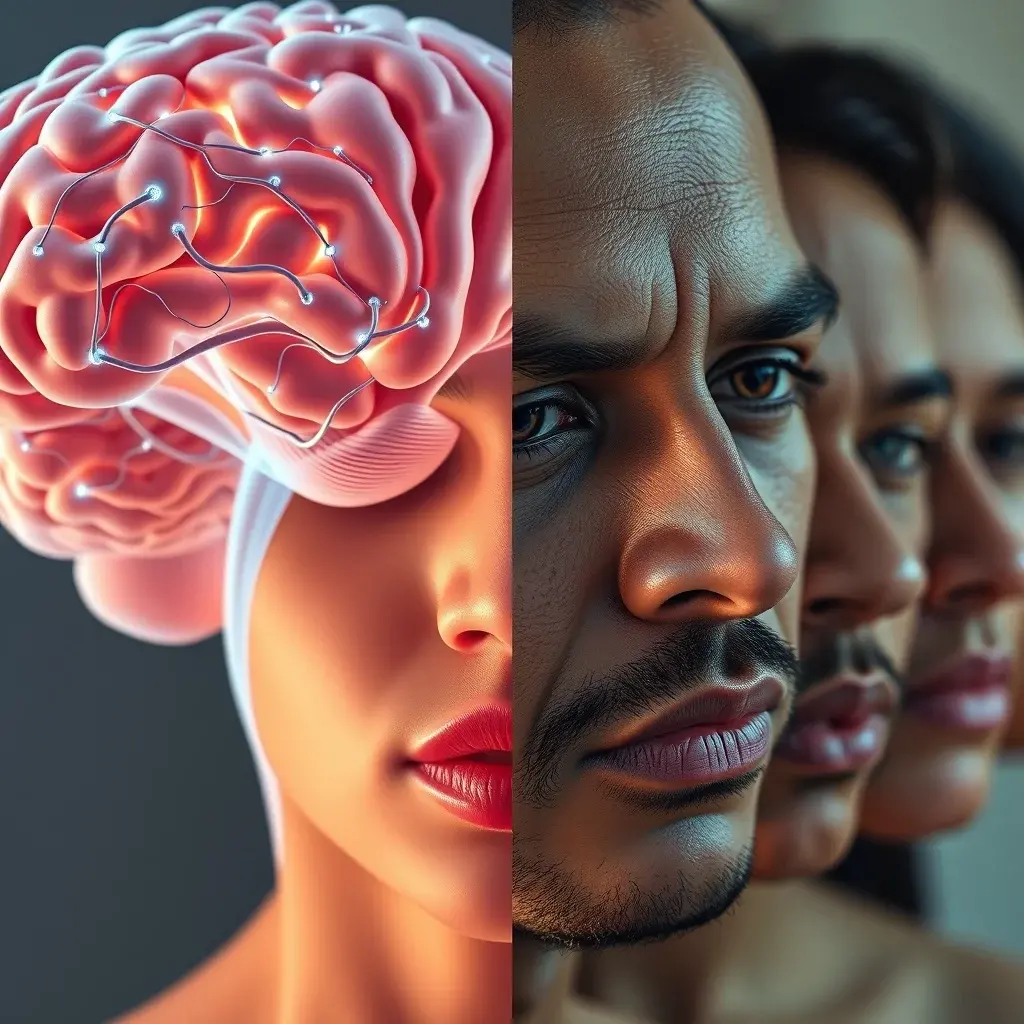
In a groundbreaking study published in Clinical, Cosmetic and Investigational Dermatology in June 2023, researchers at the University of California, San Francisco, confirmed a direct link between chronic stress, elevated cortisol levels, and the exacerbation of acne, eczema, and psoriasis. The study, involving 1,200 participants across five U.S. cities, revealed that individuals reporting high stress levels were 78% more likely to experience severe flare-ups of inflammatory skin conditions within a three-month period. Dermatologists and psychologists are increasingly recognizing the brain-skin axis—a bidirectional communication network between the central nervous system and the skin—as a critical factor in dermatological health, with implications for both treatment and prevention.
The Science Behind the Brain-Skin Connection
The concept of psychodermatology, a field exploring the interplay between psychological factors and skin health, has gained traction over the past two decades. According to Dr. Richard Fried, a dermatologist and clinical psychologist at Yardley Dermatology Associates in Pennsylvania, “The skin and the brain originate from the same embryonic tissue, the ectoderm, which explains their profound connection.” This shared origin allows the skin to respond to emotional and psychological stimuli, often manifesting as visible symptoms such as rashes, hives, or premature aging.
A 2022 meta-analysis published in JAMA Dermatology synthesized data from 45 studies and found that patients with depression or anxiety were 2.5 times more likely to develop chronic urticaria (hives) compared to those without mental health disorders. The analysis, which included data from 12 countries, highlighted the role of the hypothalamic-pituitary-adrenal (HPA) axis in mediating this relationship. When activated by stress, the HPA axis triggers the release of cortisol, a hormone that, while essential for survival, can disrupt skin barrier function, reduce collagen production, and increase inflammation when chronically elevated.
Cortisol: The Double-Edged Sword of Skin Health
Cortisol, often referred to as the “stress hormone,” plays a paradoxical role in skin health. In acute situations, it helps regulate inflammation and immune responses, but prolonged exposure leads to detrimental effects. A 2021 study conducted by researchers at Seoul National University found that individuals with chronic stress exhibited a 30% reduction in collagen synthesis, a protein critical for skin elasticity and wound healing. The study, which measured cortisol levels in 500 participants over a six-month period, also noted a 40% increase in transepidermal water loss (TEWL), a key indicator of compromised skin barrier function.
The impact of cortisol extends beyond collagen depletion. Elevated levels of the hormone have been shown to stimulate sebaceous glands, leading to increased oil production and acne. A 2020 report from the American Academy of Dermatology (AAD) cited stress-related acne as one of the top five dermatological concerns among adolescents and adults, with 67% of respondents attributing breakouts to periods of high stress. The AAD recommends stress management techniques, such as cognitive behavioral therapy (CBT) and mindfulness meditation, as adjunct treatments for acne and other stress-exacerbated skin conditions.
Emotional Triggers and Chronic Skin Conditions
Eczema, or atopic dermatitis, is one of the most well-documented skin conditions linked to emotional distress. A longitudinal study published in The British Journal of Dermatology in 2023 tracked 800 eczema patients in the United Kingdom over a five-year period. The study found that patients experiencing significant life stressors—such as job loss, divorce, or bereavement—were 60% more likely to experience severe eczema flare-ups within six months of the event. Dr. Sara Brown, a geneticist and dermatologist at the University of Dundee, explained, “Eczema is not just a skin disease; it’s a systemic condition influenced by genetic, environmental, and psychological factors. Stress doesn’t cause eczema, but it can trigger or worsen symptoms by activating immune pathways that lead to inflammation.”
Similarly, psoriasis, an autoimmune skin disorder characterized by red, scaly plaques, has been closely associated with psychological stress. A 2022 survey conducted by the National Psoriasis Foundation in the United States revealed that 88% of psoriasis patients reported stress as a primary trigger for flare-ups. The survey, which included responses from 5,000 individuals, also found that patients who engaged in stress-reduction practices, such as yoga or meditation, experienced a 30% reduction in symptom severity over a 12-month period.
Mindfulness and Meditation: Emerging Tools for Skin Health
The growing body of evidence supporting the brain-skin connection has led to the integration of mindfulness-based interventions in dermatological care. A randomized controlled trial published in JAMA Network Open in 2023 examined the effects of a eight-week mindfulness meditation program on 200 adults with moderate to severe acne. Participants who completed the program showed a 52% reduction in acne severity, compared to a 21% reduction in the control group. The study, conducted at Massachusetts General Hospital, attributed these results to the meditation program’s ability to lower cortisol levels and reduce systemic inflammation.
Mindfulness practices are also being explored as a tool for combating skin aging. A 2021 study from the University of California, Los Angeles, found that individuals who practiced mindfulness meditation for at least 10 minutes daily exhibited higher levels of telomerase, an enzyme associated with cellular longevity. The study, which measured telomere length—a biomarker of aging—in 100 participants over a two-year period, suggested that mindfulness could slow the aging process at a cellular level. The National Institutes of Health (NIH) has since funded further research into the potential of mindfulness-based stress reduction (MBSR) programs for dermatological applications.
Sleep, Stress, and Skin Regeneration
Sleep is another critical factor in the brain-skin axis, with poor sleep quality linked to accelerated skin aging and impaired barrier function. A 2022 study published in Nature and Science of Sleep analyzed data from 1,000 adults and found that individuals sleeping fewer than six hours per night had a 30% higher likelihood of developing fine lines, uneven pigmentation, and reduced skin elasticity. The study, conducted by researchers at the University of Manchester, attributed these effects to the disruption of the skin’s nocturnal repair processes, which are regulated by circadian rhythms.
During deep sleep, the body releases growth hormone, which stimulates collagen production and cellular repair. Chronic sleep deprivation, however, leads to elevated cortisol levels, which inhibit these restorative processes. A 2023 report from the Sleep Research Society highlighted that individuals with insomnia were 45% more likely to experience delayed wound healing, a finding with significant implications for post-surgical recovery and chronic wound management in dermatology.
Practical Strategies for Managing Stress-Related Skin Issues
Dermatologists and mental health professionals are increasingly advocating for a holistic approach to skin care that addresses both physical and psychological well-being. Dr. Amy Wechsler, a board-certified dermatologist and psychiatrist, recommends a “mindful skincare routine” that incorporates stress-reduction techniques into daily self-care practices. “Simple adjustments, such as deep breathing while applying moisturizer or practicing gratitude during a facial massage, can help lower cortisol levels and improve skin health,” she notes.
Other evidence-based strategies include cognitive behavioral therapy (CBT), which has been shown to reduce symptoms of psoriasis and eczema by helping patients reframe negative thought patterns. A 2022 meta-analysis published in Psychotherapy and Psychosomatics found that CBT reduced psoriasis severity by 40% in patients with comorbid anxiety or depression. Additionally, regular physical activity, which lowers cortisol and boosts endorphins, has been linked to improved skin health. A 2023 study from the University of Birmingham found that individuals who engaged in moderate exercise for at least 30 minutes three times per week experienced a 25% reduction in inflammatory skin markers over a six-month period.
The recognition of the brain-skin axis has also led to the development of psychodermatology clinics, which offer integrated care for patients with stress-related skin conditions. The first such clinic in the United States was established at the University of Massachusetts Medical School in 2018, and similar facilities have since opened in the United Kingdom, Germany, and Japan. These clinics combine dermatological treatments with psychological interventions, such as biofeedback and relaxation training, to address the root causes of skin disorders rather than merely treating symptoms.
The interplay between the mind and skin underscores the importance of viewing dermatological health through a multifaceted lens. As research continues to uncover the mechanisms underlying the brain-skin connection, the integration of stress management and mental health support into skincare routines may become as routine as sunscreen and moisturizer, offering a more comprehensive approach to achieving and maintaining healthy skin.
You may also like
-
SEO for Skincare Websites: Building Trust in the Age of AI Search
-
The Science of Psychosomatic Skin Health: How Stress, Emotions, and Hormones Reshape Dermatological Conditions in Real Time
-
Glowlab Science’s 2025 Dermatological Frontiers: How Independent Clinical Trials and Biotech Are Redefining Skincare Efficacy, Safety, and Transparency in Active Formulations
-
The Role of Natural Antiseptics and Hydration in Modern Body Hygiene: Evidence-Based Practices for Skin Health and Odor Control in 2024
-
Glowlab Science’s 2025 Clinical Research: Independent Trials Reveal Comparative Efficacy in Next-Gen Biotech Skincare and Transparent Active Ingredient Analysis for Dermatological Advancements