
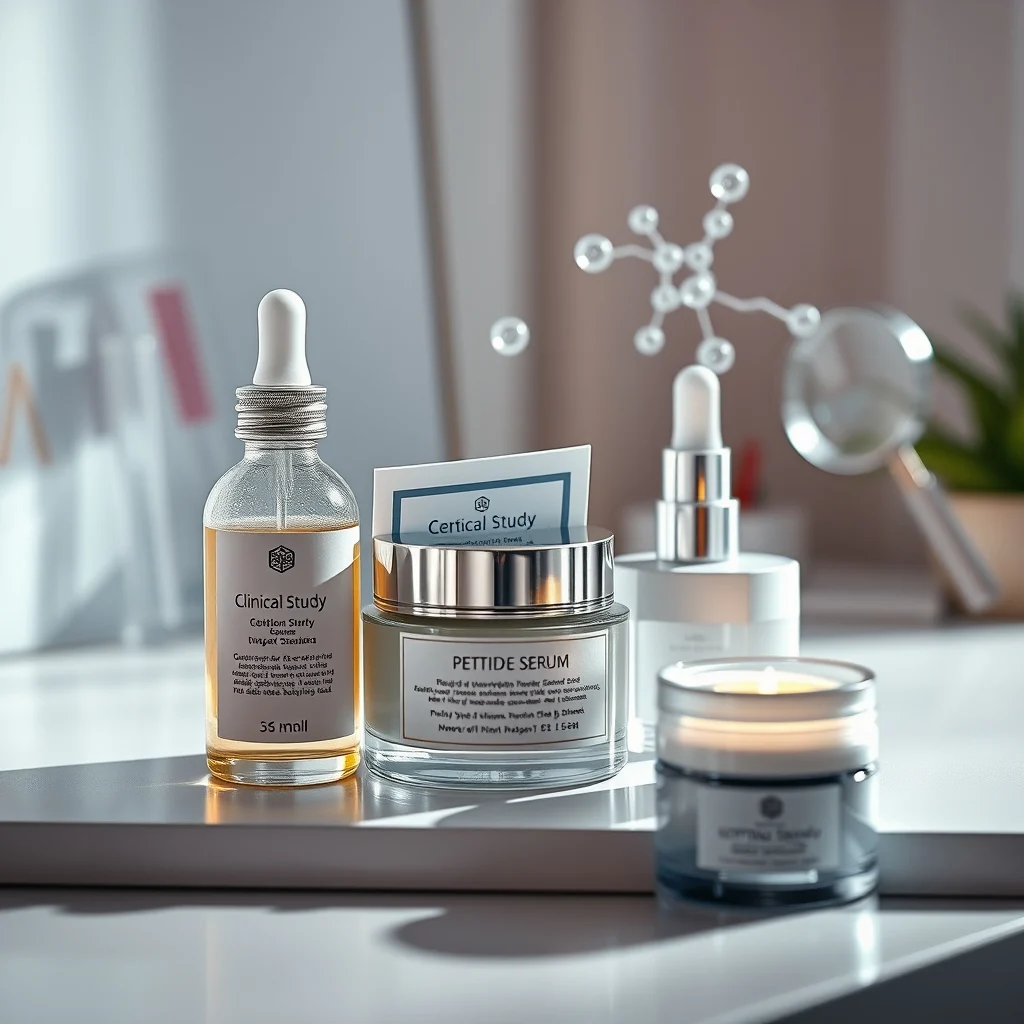
What Are Clinical Studies in Skincare—and Why Should You Care?
Ever wondered why some skincare products work wonders while others leave you wondering? The answer often lies in the science behind them, specifically the clinical studies that validate their effectiveness. But diving into research papers can feel overwhelming, especially if you’re just starting your skincare journey. The good news? You don’t need a PhD in dermatology to understand the basics. This guide breaks down what clinical studies are, why they matter, and how to spot the ones that truly benefit your skin—without jargon or confusion.
Think of clinical studies as the gold standard for proving whether a product lives up to its promises. From hydrating serums to acne-fighting treatments, these studies help separate hype from real results. Whether you’re curious about peptides, hyaluronic acid, or even K-beauty favorites, knowing how to interpret (or at least appreciate) these studies can help you make smarter choices for your routine. Ready to decode the science? Let’s start with the fundamentals.
The Basics of Clinical Studies: What You Need to Know
Clinical studies in skincare are essentially controlled experiments designed to test the safety and efficacy of ingredients or products. Unlike anecdotal reviews or influencer endorsements, these studies follow rigorous protocols to ensure their findings are reliable. Typically, they involve groups of participants who use the product under observation, with results measured over time. The goal? To determine whether the product delivers on its claims—whether that’s reducing redness, improving texture, or boosting collagen production.
The beauty of clinical studies is that they provide objective data. For example, if a product claims to reduce fine lines, a well-designed study might measure changes in wrinkle depth before and after use. While you won’t find these studies in layman’s terms in most product packaging, understanding their purpose helps you trust the science behind what you’re applying to your skin. Plus, knowing how to find or interpret these studies (even in summary form) can save you from falling for marketing gimmicks.
Why Not All Clinical Studies Are Created Equal
Not all clinical studies are equal—and that’s where things can get tricky. Some studies are small, short-term, or focus on specific demographics, which might limit their applicability to your skin type or concerns. Others are sponsored by the companies selling the products, which can introduce bias. While this doesn’t automatically disqualify a study, it’s worth asking: Who funded it? Was there a placebo group? How many participants were involved?
For instance, a study with 100 participants might yield more reliable results than one with just 10, especially if the latter is only testing on a narrow age group. Similarly, studies that include diverse skin tones or types (like oily, dry, or combination) are generally more useful for a broader audience. Always look for details like sample size, duration, and methodology—even if it means digging a little deeper than the product’s marketing claims suggest.
How to Find and Understand Clinical Studies
Finding clinical studies can feel like searching for a needle in a haystack, but it’s easier than you think. Many brands include study summaries or references on their websites, often linked in the product details or under a “Science” or “Research” tab. If the information isn’t readily available, you might need to do a bit of sleuthing. Start by searching the product name along with keywords like “clinical study” or “research findings” on reputable sites like FDA.gov or dermatology organizations. Some studies are also published in peer-reviewed journals, though these can be dense and technical.
When you do find a study, focus on the key takeaways rather than the fine print. Look for sections like “Methods” (to understand how the study was conducted) and “Results” (to see what the data showed). If the study concludes that the product improved hydration or reduced acne, note whether the improvements were statistically significant and how they were measured. Tools like WebMD’s skin care guides can also help translate these findings into practical advice for your routine.
Common Misconceptions About Clinical Studies
One of the biggest myths about clinical studies is that they guarantee a product will work for everyone. In reality, individual results can vary based on skin type, lifestyle, and consistency of use. For example, a study might show that a serum reduces wrinkles by an average of 20% over 12 weeks—but your skin might respond differently depending on whether you’re using it correctly or if you have underlying skin conditions.
Another misconception is that clinical studies are only relevant for high-end or prescription products. While luxury brands often invest heavily in research, many drugstore or mid-range products also undergo clinical testing. The key is to look beyond the price tag and ask whether the product has been tested for its intended purpose. For instance, a budget-friendly vitamin C serum might have clinical backing for brightening, even if it doesn’t carry the same name as a $200 treatment.
Putting Clinical Studies to Work for Your Routine
Now that you understand the basics, how can you use this knowledge to build a smarter skincare routine? Start by identifying your top concerns—whether it’s hydration, anti-aging, or acne—and prioritize products with clinical studies that address those issues. For example, if you’re dealing with dry skin, look for studies on ingredients like ceramides or hyaluronic acid, which are well-documented for improving moisture retention.
Don’t forget to consider how clinical studies fit into your broader routine. A product might show great results in isolation, but it could clash with other actives in your regimen. For instance, vitamin C and retinoids both have clinical backing, but they’re often used at different times of the day to avoid irritation. Pay attention to how studies recommend using the product alongside others, and adjust your routine accordingly. Over time, you’ll start to see which combinations work best for your skin—and which claims are backed by real science.
Your skincare journey is about more than just following trends; it’s about making informed decisions that align with your skin’s needs. By understanding clinical studies, you’re taking a proactive step toward a routine that’s both effective and evidence-based. Whether you’re just starting out or refining your current routine, the science behind your products is your best ally in achieving healthier, happier skin.
You may also like
-
Clinical Studies Explained Simply: Quick Tips for Busy People
-
**Clinical Studies Explained Simply: A Barrier-First, Skinimalism Approach**
-
Clinical Studies Explained Simply: A Step-by-Step Guide for Beginners
-
**Clinical Studies Explained Simply: How to Get Started This Week**
-
Clinical Studies Explained: Quick Tips for Busy People