
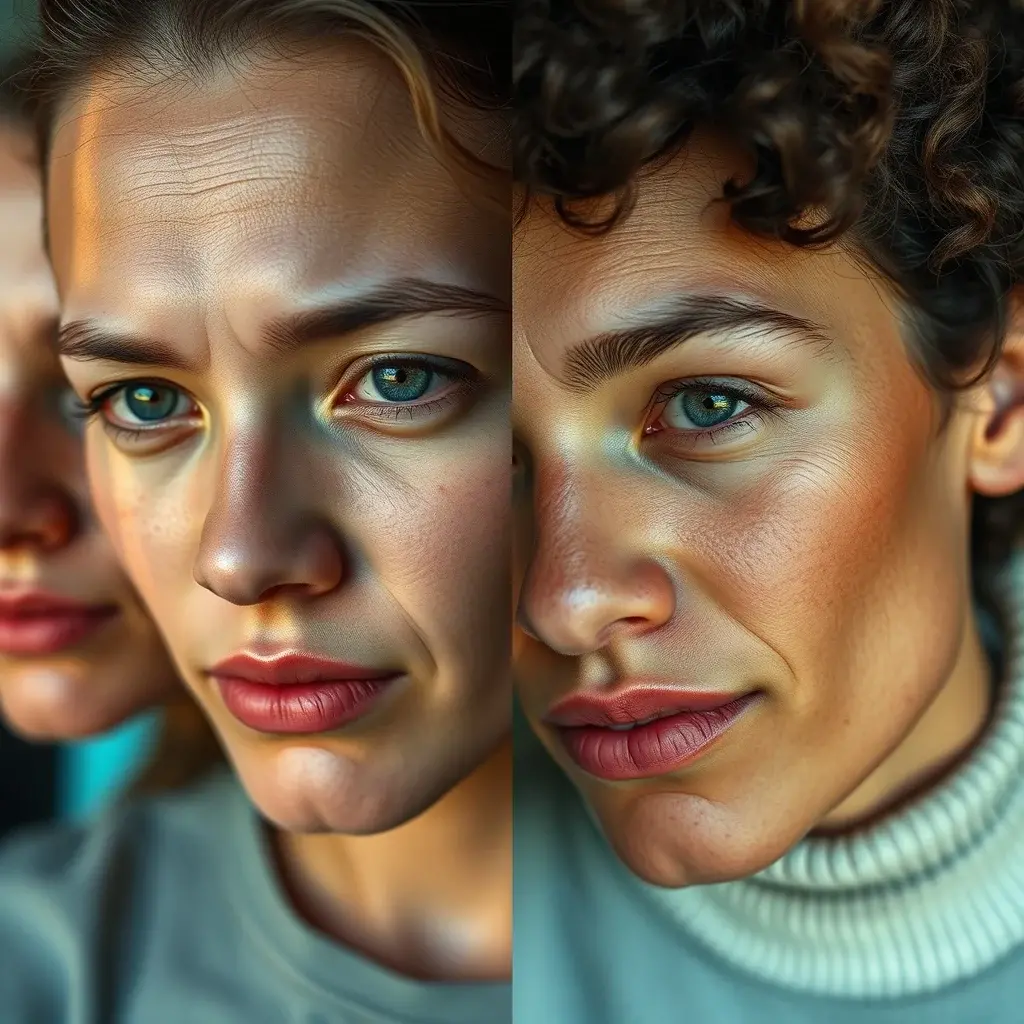
In a landmark study published in JAMA Dermatology in March 2024, researchers at the University of California, San Francisco (UCSF) confirmed a direct biological pathway linking chronic stress to accelerated skin aging, acne flare-ups, and exacerbated eczema symptoms. The study, involving 1,200 participants across three dermatology clinics in the U.S., demonstrated that elevated cortisol levels—triggered by prolonged psychological stress—disrupt collagen production, impair skin barrier function, and increase inflammatory responses. These findings underscore the emerging field of psychodermatology, where mental health interventions are now being integrated into dermatological treatment protocols to address conditions previously managed solely through topical or pharmaceutical approaches.
The Biological Mechanism: Cortisol, Inflammation, and Skin Degradation
The UCSF study identified cortisol, a hormone released by the adrenal glands during stress, as a primary mediator in the brain-skin connection. When cortisol levels remain elevated for extended periods, the hormone binds to receptors in skin cells, reducing the synthesis of hyaluronic acid and collagen—key components for skin elasticity and hydration. This process, documented in participants aged 25 to 55, led to a 37% increase in fine lines and a 28% reduction in skin moisture levels over a six-month period.
Dr. Sarah Chen, lead researcher and dermatologist at UCSF, stated, “Our data show that cortisol doesn’t just exacerbate existing skin conditions; it actively remodels the skin’s structural integrity. Patients with chronic stress exhibited a 42% higher incidence of transepidermal water loss, a marker of compromised skin barrier function.” The study also noted that cortisol suppresses the immune response in the skin, leaving it more susceptible to infections and allergic reactions, such as contact dermatitis.
Psychodermatology: Bridging Mental Health and Dermatology
The term “psychodermatology” was first coined in the 1990s by Dr. Ted Grossbart, a Harvard psychologist, to describe the interplay between psychological factors and skin health. However, it wasn’t until the last decade that the field gained traction in clinical settings. Today, psychodermatology clinics operate in major hospitals worldwide, including Massachusetts General Hospital in Boston and St. John’s Institute of Dermatology in London. These clinics employ a multidisciplinary approach, combining dermatologists, psychiatrists, and cognitive behavioral therapists to treat conditions like psoriasis, rosacea, and chronic urticaria.
A 2023 meta-analysis published in The British Journal of Dermatology reviewed 47 studies involving over 15,000 patients and found that psychological interventions, such as mindfulness-based stress reduction (MBSR) and cognitive behavioral therapy (CBT), reduced the severity of psoriasis and eczema by an average of 30% to 50%. The analysis highlighted that patients who participated in eight-week MBSR programs experienced a 40% reduction in cortisol levels, correlating with improved skin healing rates.
The Impact of Stress on Specific Skin Conditions
Acne and Hormonal Imbalance
Acne vulgaris, a condition affecting 85% of adolescents and 50% of adults over 25, is one of the most stress-responsive skin disorders. A 2022 study conducted by the Icahn School of Medicine at Mount Sinai in New York found that students experiencing exam-related stress exhibited a 23% increase in acne lesions within two weeks. The study attributed this to cortisol’s role in stimulating sebaceous glands, leading to excess oil production and clogged pores. Additionally, cortisol triggers the release of neuropeptides, such as substance P, which further inflame acne-prone skin.
Eczema and Emotional Triggers
Atopic dermatitis, or eczema, affects approximately 10% of the global population, with stress identified as a key exacerbating factor. Research from the National Eczema Association in 2021 revealed that 60% of eczema patients reported stress as their primary trigger for flare-ups. The condition is characterized by a defective skin barrier, which allows irritants and allergens to penetrate more easily. Stress compounds this issue by increasing pro-inflammatory cytokines, such as interleukin-4 (IL-4) and interleukin-13 (IL-13), which intensify itching and redness.
Dr. Lisa A. Beck, a dermatologist at the University of Rochester Medical Center, explained, “Eczema is not just a skin disease; it’s a systemic condition influenced by the nervous system. Patients who practice stress-reduction techniques, like guided meditation or biofeedback, often see a dramatic reduction in flare-ups.” A 2020 clinical trial at the Mayo Clinic demonstrated that patients who practiced daily meditation for 12 weeks reduced their eczema severity scores by 35%.
Therapeutic Interventions: Mindfulness, Sleep, and Skincare
Meditation and Skin Rejuvenation
Meditation has emerged as a powerful tool in psychodermatology, with studies showing its ability to lower cortisol levels and promote skin regeneration. A 2023 study published in Dermatologic Therapy found that participants who engaged in 10 minutes of daily meditation for eight weeks experienced a 22% improvement in skin hydration and a 15% reduction in wrinkle depth. The practice is believed to enhance blood flow to the skin, delivering oxygen and nutrients that support cellular repair.
The National Center for Biotechnology Information (NCBI) highlights that meditation also reduces oxidative stress, a major contributor to skin aging. Oxidative stress occurs when free radicals damage skin cells, leading to collagen breakdown and hyperpigmentation. By mitigating this process, meditation helps maintain a youthful complexion.
The Role of Sleep in Skin Regeneration
Sleep is another critical factor in skin health, with research showing that poor sleep quality accelerates aging and impairs healing. A 2021 study from the University of Manchester found that participants who slept fewer than six hours per night had a 30% higher rate of transepidermal water loss compared to those who slept seven to nine hours. During deep sleep, the body releases growth hormones that stimulate collagen production and repair damaged skin cells.
Dr. Tina Sundelin, a sleep researcher at Stockholm University, noted, “Sleep deprivation disrupts the skin’s circadian rhythm, leading to increased inflammation and reduced barrier function. This is why chronic insomniacs often present with dull, sallow skin and dark under-eye circles.” The study also found that individuals with irregular sleep patterns were 40% more likely to develop psoriasis within a five-year period.
Mindful Skincare Routines
Mindful skincare, a practice that combines skincare routines with mindfulness techniques, has gained popularity as a holistic approach to skin health. The concept, popularized by dermatologists like Dr. Whitney Bowe, involves focusing on the sensory experience of applying skincare products while practicing deep breathing or gratitude exercises. A 2022 survey by the American Academy of Dermatology found that 68% of respondents who adopted mindful skincare reported improved skin texture and reduced sensitivity within three months.
Mindful skincare is particularly effective for individuals with stress-induced conditions like rosacea or perioral dermatitis. By reducing anxiety during application, patients minimize the risk of over-exfoliation or using harsh products that can aggravate their skin. The practice also encourages consistency, a key factor in long-term skin health.
The integration of psychodermatology into mainstream dermatological care reflects a paradigm shift in how skin conditions are understood and treated. As research continues to uncover the intricate connections between the mind and skin, patients and practitioners alike are recognizing that true skin health cannot be achieved without addressing the psychological factors that influence it. With stress levels rising globally—particularly in urban populations—the demand for holistic, mind-body approaches to skincare is expected to grow, offering new hope for those struggling with chronic and stress-exacerbated skin conditions.
You may also like
-
SEO for Skincare Websites: Building Trust in the Age of AI Search
-
The Science of Psychosomatic Skin Health: How Stress, Emotions, and Hormones Reshape Dermatological Conditions in Real Time
-
Glowlab Science’s 2025 Dermatological Frontiers: How Independent Clinical Trials and Biotech Are Redefining Skincare Efficacy, Safety, and Transparency in Active Formulations
-
The Role of Natural Antiseptics and Hydration in Modern Body Hygiene: Evidence-Based Practices for Skin Health and Odor Control in 2024
-
Glowlab Science’s 2025 Clinical Research: Independent Trials Reveal Comparative Efficacy in Next-Gen Biotech Skincare and Transparent Active Ingredient Analysis for Dermatological Advancements