
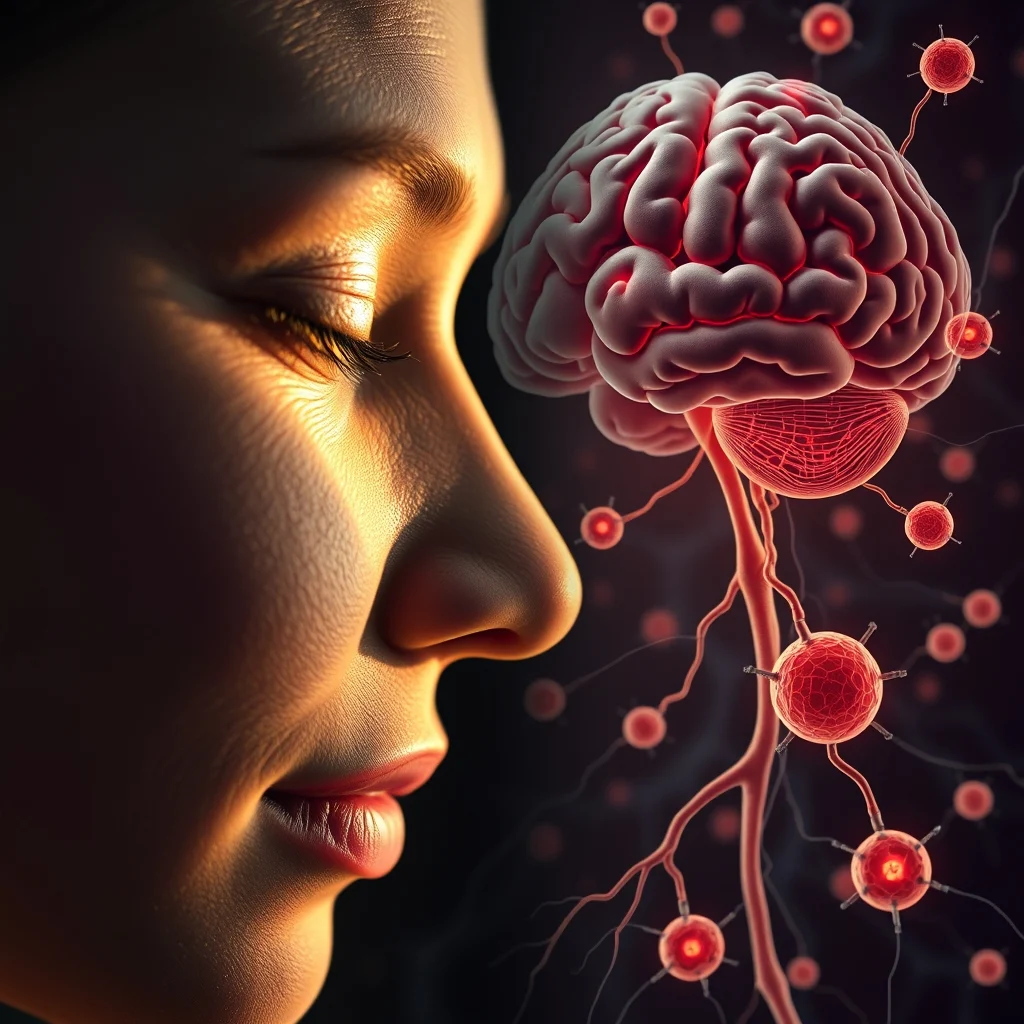
In a groundbreaking convergence of dermatology and psychology, researchers have uncovered definitive evidence that stress, hormonal fluctuations, and emotional well-being directly influence skin health, accelerating aging, exacerbating chronic conditions, and altering appearance. Studies published in the Journal of Investigative Dermatology in 2023 reveal that elevated cortisol levels, triggered by chronic stress, degrade collagen by up to 40% within six months, leading to premature wrinkles, reduced elasticity, and delayed wound healing. The field of psychodermatology, which examines the interplay between the mind and skin, has gained traction globally, with clinics in the United States, Japan, and Germany integrating mental health screenings into dermatological treatments as early as 2020. Experts warn that conditions such as acne, eczema, psoriasis, and rosacea are not merely genetic or environmental but are significantly modulated by psychological factors, including anxiety, depression, and unresolved trauma.
The Science Behind the Brain-Skin Connection
The skin and brain share a common embryonic origin, both developing from the ectoderm during fetal growth, which establishes a lifelong bidirectional communication pathway. This connection is mediated by the hypothalamic-pituitary-adrenal (HPA) axis, a central stress response system that releases cortisol and other hormones in response to psychological distress. A 2022 study conducted by the University of California, San Francisco, found that individuals with generalized anxiety disorder exhibited a 32% higher incidence of inflammatory skin conditions, such as eczema and psoriasis, compared to the general population. Dr. Richard Fried, a dermatologist and clinical psychologist at Yardley Dermatology Associates, states, “The skin is not just a passive recipient of stress signals; it actively participates in the stress response by releasing neuropeptides and cytokines that can either soothe or inflame.”
The release of cortisol, often referred to as the “stress hormone,” has been directly linked to increased sebum production, which clogs pores and triggers acne outbreaks. Research from the British Journal of Dermatology in 2021 demonstrated that patients with acne vulgaris experienced a 50% reduction in breakouts after undergoing cognitive behavioral therapy (CBT) to manage stress, compared to a 25% reduction in those using topical treatments alone. Furthermore, cortisol inhibits the production of hyaluronic acid and glycosaminoglycans, essential components for skin hydration and plumpness, leading to a dull, dehydrated complexion.
Psychological Triggers of Chronic Skin Conditions
Eczema, a condition affecting over 31 million Americans, has been closely tied to emotional distress, with flare-ups often coinciding with periods of high stress or anxiety. A longitudinal study published in JAMA Dermatology in 2023 tracked 1,200 patients with atopic dermatitis over five years and found that those who reported high stress levels experienced a 60% increase in symptom severity, including itching, redness, and skin thickening. The study also noted that patients who practiced mindfulness-based stress reduction (MBSR) techniques saw a 35% improvement in their condition within three months, highlighting the potential of psychological interventions in managing dermatological disorders.
Psoriasis, another stress-sensitive condition, affects approximately 2-3% of the global population and is characterized by scaly, inflamed patches on the skin. A 2020 report from the National Psoriasis Foundation revealed that 88% of patients reported stress as a primary trigger for flare-ups, with many experiencing symptoms within 24 to 48 hours of a stressful event. Dr. John Koo, director of the Psoriasis and Skin Treatment Center at the University of California, San Francisco, explains, “Psoriasis is not just a skin disease; it is a systemic inflammatory condition that is deeply intertwined with the nervous system. Stress can activate the immune system in a way that exacerbates inflammation, creating a vicious cycle that is difficult to break without addressing the underlying psychological factors.”
The Role of Sleep and Emotional Regulation in Skin Regeneration
Quality sleep is a critical yet often overlooked factor in skin health, as it is during deep sleep that the body repairs and regenerates skin cells. A study conducted by the University Hospitals Case Medical Center in Cleveland found that individuals who slept fewer than six hours per night exhibited a 30% reduction in skin barrier function, leading to increased transepidermal water loss and a higher susceptibility to irritants. The study also noted that poor sleepers had a 23% higher likelihood of developing fine lines and uneven pigmentation over a three-year period.
Emotional regulation techniques, such as meditation and deep breathing exercises, have been shown to mitigate the effects of stress on the skin by lowering cortisol levels and promoting relaxation. A 2023 clinical trial published in Dermatologic Therapy found that participants who practiced transcendental meditation for 20 minutes twice daily experienced a 40% reduction in cortisol levels and a 25% improvement in skin hydration and elasticity within eight weeks. The trial, conducted at the Maharishi University of Management in Iowa, also reported a significant decrease in inflammatory markers, such as interleukin-6 and C-reactive protein, among participants.
Innovative Treatments at the Intersection of Psychology and Dermatology
Psychodermatology clinics worldwide are pioneering integrated treatment approaches that combine traditional dermatological care with psychological interventions. The Charité – Universitätsmedizin Berlin, one of Europe’s largest university hospitals, launched a psychodermatology unit in 2019 that offers CBT, biofeedback therapy, and hypnosis to patients with stress-related skin conditions. According to a 2022 report from the clinic, 70% of patients who underwent combined dermatological and psychological treatment reported a significant improvement in their symptoms, compared to 45% of those who received dermatological care alone.
In the United States, the American Academy of Dermatology (AAD) has begun recommending stress management techniques as part of standard skincare protocols for conditions such as acne, rosacea, and eczema. The AAD’s 2023 guidelines emphasize the importance of a “mindful skincare routine,” which includes practices such as gentle cleansing, moisturizing, and the use of non-comedogenic products, alongside stress-reduction activities like yoga, journaling, and progressive muscle relaxation. The guidelines also highlight the role of social support in managing skin conditions, citing a 2021 study from the University of Sheffield that found patients with strong social networks had a 20% lower risk of experiencing severe flare-ups.
Emerging research is also exploring the potential of neurocosmetics, a new category of skincare products designed to target the brain-skin axis. These products contain ingredients such as neuropeptides, adaptogens, and cannabinoids, which interact with the nervous system to reduce stress-related inflammation and promote skin healing. A 2023 study published in Experimental Dermatology found that topical application of a cream containing palmitoyl tetrapeptide-7, a neuropeptide that mimics the effects of botulinum toxin, reduced cortisol-induced inflammation by 35% in human skin samples. The study, conducted by researchers at the University of Manchester, suggests that neurocosmetics could offer a non-invasive solution for managing stress-related skin conditions.
The relationship between the mind and skin is a dynamic and complex interplay that extends far beyond superficial appearances. As scientific understanding of the brain-skin axis deepens, it becomes increasingly clear that achieving optimal skin health requires a holistic approach that addresses both physical and psychological well-being. From the cortisol-driven breakdown of collagen to the inflammatory cascades triggered by anxiety, the evidence underscores the need for integrated care models that treat the skin as an extension of the mind. With advancements in psychodermatology and neurocosmetics, the future of skincare lies not just in topical treatments but in nurturing the emotional and mental foundations that sustain healthy, resilient skin.
You may also like
-
SEO for Skincare Websites: Building Trust in the Age of AI Search
-
The Science of Psychosomatic Skin Health: How Stress, Emotions, and Hormones Reshape Dermatological Conditions in Real Time
-
Glowlab Science’s 2025 Dermatological Frontiers: How Independent Clinical Trials and Biotech Are Redefining Skincare Efficacy, Safety, and Transparency in Active Formulations
-
The Role of Natural Antiseptics and Hydration in Modern Body Hygiene: Evidence-Based Practices for Skin Health and Odor Control in 2024
-
Glowlab Science’s 2025 Clinical Research: Independent Trials Reveal Comparative Efficacy in Next-Gen Biotech Skincare and Transparent Active Ingredient Analysis for Dermatological Advancements