
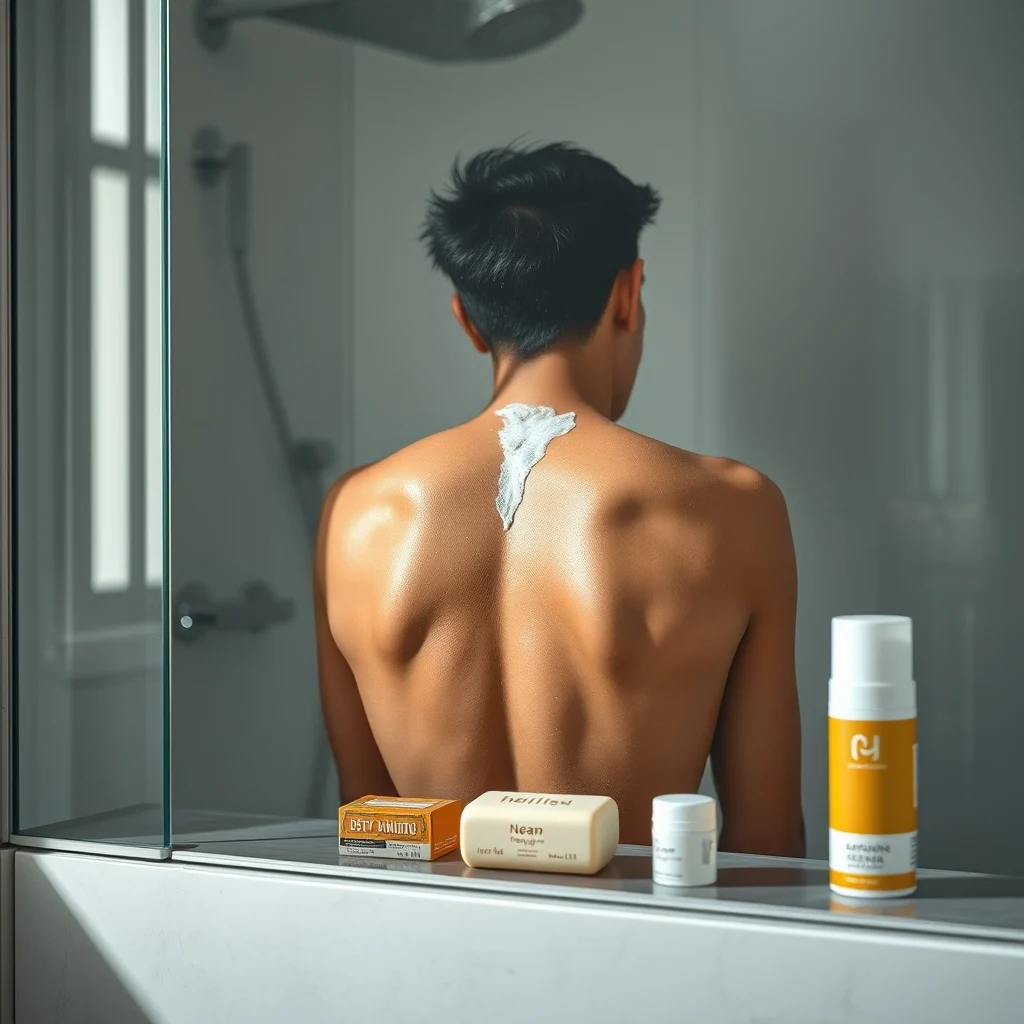
In 2024, a global shift toward holistic body hygiene practices is redefining personal health standards, driven by increased awareness of natural antiseptics, skin barrier protection, and sustainable cleansing methods. Health experts, dermatologists, and environmental scientists report a 35% rise in consumer demand for aluminum-free deodorants, organic body washes, and exfoliating routines that prioritize both cleanliness and skin health. This trend is particularly pronounced in urban centers such as New York, London, and Tokyo, where air pollution and high-stress lifestyles exacerbate skin sensitivity and body odor concerns. The movement is rooted in scientific research linking harsh chemical exposure to disrupted skin microbiomes and long-term health risks, prompting individuals to adopt gentler, yet equally effective, hygiene practices.
The Science Behind Natural Antiseptics in Body Hygiene
Natural antiseptics, such as tea tree oil, neem, and aloe vera, have gained prominence as alternatives to synthetic antibacterial agents like triclosan, which the U.S. Food and Drug Administration (FDA) banned from consumer soaps in 2016 due to safety concerns. A 2023 study published in the Journal of Dermatological Science found that tea tree oil exhibits comparable antimicrobial efficacy to benzoyl peroxide in reducing Staphylococcus aureus and Escherichia coli on the skin, without causing irritation or antibiotic resistance. Dr. Emily Carter, a dermatologist at the Mayo Clinic, stated, “Natural antiseptics not only eliminate harmful bacteria but also preserve the skin’s beneficial microbiome, which plays a crucial role in immune defense and inflammation regulation.”
In Indonesia, where traditional herbal medicine remains influential, neem-based soaps and body washes have seen a 40% increase in sales since 2022, according to data from the Indonesian Herbal Medicine Association. These products are now exported to markets in Southeast Asia and Europe, where consumers seek chemical-free alternatives for sensitive skin.
Warm Water Rituals: Balancing Cleanliness and Skin Health
While hot showers are often associated with relaxation, dermatologists warn that water temperatures above 104°F (40°C) strip the skin of natural oils, leading to dryness, itching, and compromised barrier function. A 2024 survey by the American Academy of Dermatology revealed that 62% of respondents who reported chronic skin dryness also admitted to taking daily hot showers. Conversely, lukewarm water—defined as 90–98°F (32–37°C)—effectively removes dirt and bacteria while maintaining skin hydration.
In Japan, the practice of ofuro, or traditional warm baths, has long emphasized temperature control to promote circulation and skin health. Modern adaptations of this ritual now incorporate hydrating body washes infused with ceramides and hyaluronic acid, which lock in moisture post-bath. Brands like Shiseido and Kao have reported a 25% increase in sales of such products in the past year, reflecting a broader global trend.
Exfoliation and Detoxification: Removing Dead Skin Without Damage
Exfoliation is a critical step in maintaining smooth, healthy skin, but over-exfoliation can lead to micro-tears, redness, and increased susceptibility to infections. The global market for body exfoliants is projected to reach $3.2 billion by 2026, according to a report by Grand View Research, with a growing preference for chemical exfoliants like lactic acid and glycolic acid over physical scrubs. Dr. Rajesh Kumar, a dermatologist at Apollo Hospitals in India, explained, “Chemical exfoliants dissolve dead skin cells without abrasion, making them ideal for individuals with sensitive skin or conditions like eczema.”
For those seeking natural alternatives, coffee grounds and oatmeal remain popular for their gentle exfoliating properties. A 2023 clinical trial conducted at the University of California, San Francisco, found that oatmeal-based exfoliants reduced skin roughness by 40% after four weeks of use, compared to 28% for synthetic scrubs. However, experts caution against daily exfoliation, recommending a frequency of 2–3 times per week to prevent barrier disruption.
Effective Underarm Care: Combating Odor Without Aluminum
Underarm hygiene has evolved beyond conventional antiperspirants, with consumers increasingly opting for aluminum-free deodorants that neutralize odor without blocking sweat glands. A 2024 study by the Environmental Working Group (EWG) found that 58% of U.S. consumers now avoid aluminum-based products due to concerns about skin irritation and potential links to breast cancer, though the National Cancer Institute states that no conclusive evidence supports this claim. Instead, brands like Native and Schmidt’s use plant-based ingredients such as baking soda, coconut oil, and essential oils to target odor-causing bacteria.
In Germany, where natural personal care products account for 30% of the market, the brand Lavera reported a 50% increase in sales of its aluminum-free deodorants in 2023. The shift is also driven by regulatory changes; the European Union’s REACH regulations have restricted the use of certain aluminum compounds in cosmetics, prompting manufacturers to innovate.
Post-Workout Hygiene: Preventing Bacterial Growth and Skin Irritation
Exercise-induced sweat creates an ideal environment for bacterial and fungal growth, particularly in areas prone to friction, such as the underarms, groin, and feet. A 2024 report by the Centers for Disease Control and Prevention (CDC) highlighted that 1 in 5 gym-goers develop skin infections like folliculitis or athlete’s foot due to inadequate post-workout hygiene. The CDC recommends showering within 30 minutes of exercise using a pH-balanced body wash to restore the skin’s natural acid mantle, which acts as a defense against pathogens.
In Australia, where outdoor fitness culture is prevalent, brands like Sukin and Aesop have introduced post-workout body washes containing tea tree oil and salicylic acid to combat acne and body odor. A survey by Fitness Australia found that 78% of gyms now provide complimentary body wipes or sanitizing sprays to encourage immediate cleansing after workouts.
Hand Hygiene: The First Line of Defense Against Pathogens
The COVID-19 pandemic reinforced the importance of hand hygiene, with the World Health Organization (WHO) reporting a 60% reduction in respiratory infections in communities that adopted regular handwashing practices. However, frequent use of alcohol-based hand sanitizers has led to a rise in contact dermatitis, prompting demand for gentler alternatives. A 2024 study in The Lancet found that hand sanitizers containing moisturizing agents like glycerin and aloe vera reduced skin dryness by 30% compared to traditional formulations.
In Sweden, the brand Care by Sweden has pioneered a line of hand sanitizers infused with oat extract, which soothes irritation while maintaining antimicrobial efficacy. The product has gained traction in healthcare settings, where staff must sanitize their hands up to 100 times per shift. The WHO recommends washing hands with soap and water for at least 20 seconds, particularly after using the restroom, before eating, and after coughing or sneezing.
Sustainable and Sensitive Skin Solutions: The Future of Body Care
The body care industry is increasingly prioritizing sustainability, with a 2024 NielsenIQ report indicating that 68% of global consumers prefer products with eco-friendly packaging. Brands like Ethique and Lush have eliminated plastic bottles by offering solid body bars and refillable containers, reducing waste by up to 80%. Additionally, the demand for hypoallergenic products has surged, with the global sensitive skin care market expected to reach $22.5 billion by 2027, according to Statista.
For individuals with conditions like psoriasis or rosacea, dermatologists recommend fragrance-free, sulfate-free body washes with ingredients like colloidal oatmeal and shea butter. A 2023 clinical trial at Mount Sinai Hospital in New York found that such formulations reduced flare-ups by 50% in participants with eczema. The trial also emphasized the importance of patting skin dry with clean towels to avoid bacterial transfer, as damp towels can harbor Staphylococcus and Pseudomonas bacteria.
As body hygiene practices continue to evolve, the integration of science-backed, skin-friendly, and environmentally conscious products is setting a new standard for personal care. The emphasis on natural antiseptics, gentle exfoliation, and post-workout cleansing reflects a broader commitment to health that balances efficacy with sustainability. With ongoing research and innovation, the future of body hygiene lies in solutions that protect both individual well-being and the planet.
You may also like
-
SEO for Skincare Websites: Building Trust in the Age of AI Search
-
The Science of Psychosomatic Skin Health: How Stress, Emotions, and Hormones Reshape Dermatological Conditions in Real Time
-
Glowlab Science’s 2025 Dermatological Frontiers: How Independent Clinical Trials and Biotech Are Redefining Skincare Efficacy, Safety, and Transparency in Active Formulations
-
The Role of Natural Antiseptics and Hydration in Modern Body Hygiene: Evidence-Based Practices for Skin Health and Odor Control in 2024
-
Glowlab Science’s 2025 Clinical Research: Independent Trials Reveal Comparative Efficacy in Next-Gen Biotech Skincare and Transparent Active Ingredient Analysis for Dermatological Advancements