
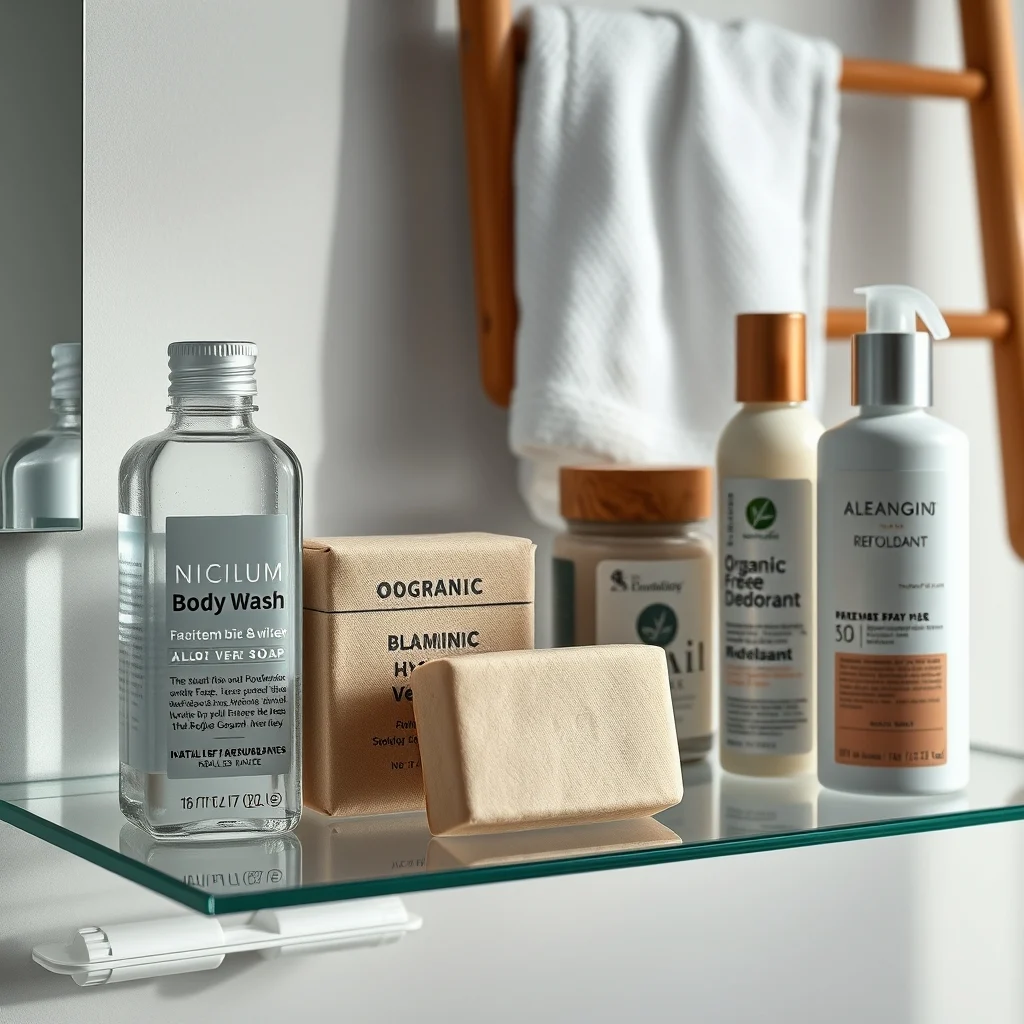
In 2024, global health organizations and dermatologists are emphasizing a shift toward evidence-based body hygiene practices, integrating natural antiseptics, sustainable products, and advanced skincare routines. The World Health Organization (WHO) reported in March that improper hygiene contributes to 1.4 million preventable infections annually, particularly in urban areas with high population density. Experts advocate for daily routines that prioritize skin barrier protection, microbial balance, and environmental responsibility, addressing concerns from body odor to sensitive skin management. This guide examines the latest scientific recommendations, product innovations, and historical context shaping contemporary hygiene standards.
The Science Behind Effective Body Hygiene
Body hygiene extends beyond cleanliness, serving as a critical defense against pathogens while maintaining skin integrity. A 2023 study published in the Journal of Dermatological Science found that 68% of participants who used pH-balanced cleansers experienced fewer instances of dermatitis compared to those using alkaline soaps. Dr. Amelia Hart, a dermatologist at the Mayo Clinic, stated, “The skin’s acid mantle, with a pH of 4.5 to 5.5, is essential for microbial homeostasis. Disrupting this balance with harsh soaps can lead to overgrowth of harmful bacteria, including Staphylococcus aureus.”
Antiseptic soaps containing natural ingredients like tea tree oil or neem have gained traction for their antimicrobial properties. Research from the University of Sydney in 2022 demonstrated that tea tree oil reduced bacterial colonies by 99.9% within 30 seconds of application, rivaling synthetic triclosan-based products. However, the U.S. Food and Drug Administration (FDA) banned triclosan in consumer soaps in 2016 due to concerns over antibiotic resistance and endocrine disruption.
Historical Evolution of Hygiene Practices
Hygiene practices have evolved significantly over centuries, influenced by cultural, scientific, and industrial advancements. Ancient Egyptians used natron, a naturally occurring salt, for body cleansing and preservation, while 19th-century Europe popularized carbolic soap after Joseph Lister’s antiseptic surgery breakthroughs in 1867. The introduction of synthetic detergents in the 1940s revolutionized soap formulations, enabling mass production of liquid body washes with enhanced lathering properties.
In the 1980s, the rise of antibacterial soaps coincided with growing public awareness of germ theory, though their overuse sparked debates about resistance. By the 2000s, consumer demand shifted toward organic and hypoallergenic products, driven by studies linking parabens and sulfates to skin irritation. Today, the global organic soap market is projected to reach $1.2 billion by 2027, according to a report by Grand View Research.
Optimal Shower Techniques for Skin Health
Dermatologists recommend lukewarm water for showers, as temperatures above 104°F (40°C) strip the skin of natural oils, leading to dryness and irritation. A 2021 study in Clinical, Cosmetic and Investigational Dermatology found that individuals who showered with water at 95°F (35°C) retained 30% more skin moisture than those using hotter water. Post-exercise showers are particularly critical, as sweat combined with bacteria can clog pores and exacerbate body odor. The American Academy of Dermatology (AAD) advises showering within 30 minutes of intense physical activity to minimize bacterial proliferation.
Exfoliation and Dead Skin Removal
Exfoliation removes dead skin cells, preventing clogged pores and promoting cell turnover. Mechanical exfoliants, such as loofahs or sugar scrubs, should be used 2-3 times weekly to avoid microtears, while chemical exfoliants like alpha-hydroxy acids (AHAs) offer gentler alternatives. A 2023 survey by the AAD revealed that 42% of respondents experienced improved skin texture after incorporating AHAs into their routines. However, over-exfoliation can compromise the skin barrier, increasing susceptibility to infections.
Targeted Solutions for Body Odor and Sensitive Skin
Body odor stems from bacterial breakdown of sweat, particularly in areas like the underarms. Traditional deodorants containing aluminum compounds block sweat glands, but concerns over aluminum’s potential link to breast cancer and Alzheimer’s disease have spurred demand for aluminum-free alternatives. A 2022 meta-analysis in Regulatory Toxicology and Pharmacology concluded that current evidence does not establish a causal relationship, though the debate persists.
For sensitive skin, fragrance-free and hypoallergenic products are essential. Dr. Rajani Katta, a clinical professor of dermatology at Baylor College of Medicine, noted, “Fragrances are the leading cause of allergic contact dermatitis, affecting up to 4% of the population. Opting for fragrance-free products can significantly reduce irritation.” Natural deodorants with baking soda, arrowroot powder, or coconut oil have emerged as popular alternatives, though their efficacy varies by individual.
Hydration and Premium Skincare Innovations
Skin hydration is critical for maintaining barrier function and preventing transepidermal water loss (TEWL). Ceramide-based body lotions, such as those from CeraVe or Eucerin, replenish lipids and restore moisture. A 2023 study in Skin Pharmacology and Physiology found that ceramide-containing moisturizers improved skin hydration by 50% within two weeks of use. For individuals with eczema or psoriasis, colloidal oatmeal and shea butter provide anti-inflammatory benefits.
Premium skincare lines now incorporate adaptogens, probiotics, and marine extracts to enhance skin resilience. For example, La Mer’s The Body Crème uses fermented sea kelp to promote collagen production. The global body care market, valued at $123.4 billion in 2023, reflects growing consumer investment in high-performance products.
Sustainable and Eco-Friendly Hygiene Products
Environmental sustainability has become a key consideration in body hygiene, with consumers favoring biodegradable packaging and ethically sourced ingredients. Brands like Dr. Bronner’s and Ethique offer solid bar soaps and shampoo bars that eliminate plastic waste. A 2023 report by NielsenIQ found that 78% of global consumers prioritize sustainability in personal care purchases, driving innovation in refillable containers and waterless formulations.
Hand hygiene remains a cornerstone of disease prevention, particularly in healthcare settings. The WHO recommends washing hands with soap for at least 20 seconds, a practice that reduces respiratory infections by 16-21%. Alcohol-based hand sanitizers with at least 60% alcohol are effective when soap and water are unavailable, though frequent use can cause dryness. Gentle formulations with glycerin or aloe vera mitigate this issue, as highlighted in a 2022 study by the Journal of Hospital Infection.
As hygiene standards evolve, the integration of science-backed practices, natural ingredients, and sustainable solutions is redefining personal care. From antiseptic soaps to premium moisturizers, the focus on skin health and environmental responsibility ensures that modern routines are both effective and conscientious. The convergence of dermatological research and consumer demand continues to shape a future where hygiene is synonymous with holistic well-being.
You may also like
-
SEO for Skincare Websites: Building Trust in the Age of AI Search
-
The Science of Psychosomatic Skin Health: How Stress, Emotions, and Hormones Reshape Dermatological Conditions in Real Time
-
Glowlab Science’s 2025 Dermatological Frontiers: How Independent Clinical Trials and Biotech Are Redefining Skincare Efficacy, Safety, and Transparency in Active Formulations
-
The Role of Natural Antiseptics and Hydration in Modern Body Hygiene: Evidence-Based Practices for Skin Health and Odor Control in 2024
-
Glowlab Science’s 2025 Clinical Research: Independent Trials Reveal Comparative Efficacy in Next-Gen Biotech Skincare and Transparent Active Ingredient Analysis for Dermatological Advancements