
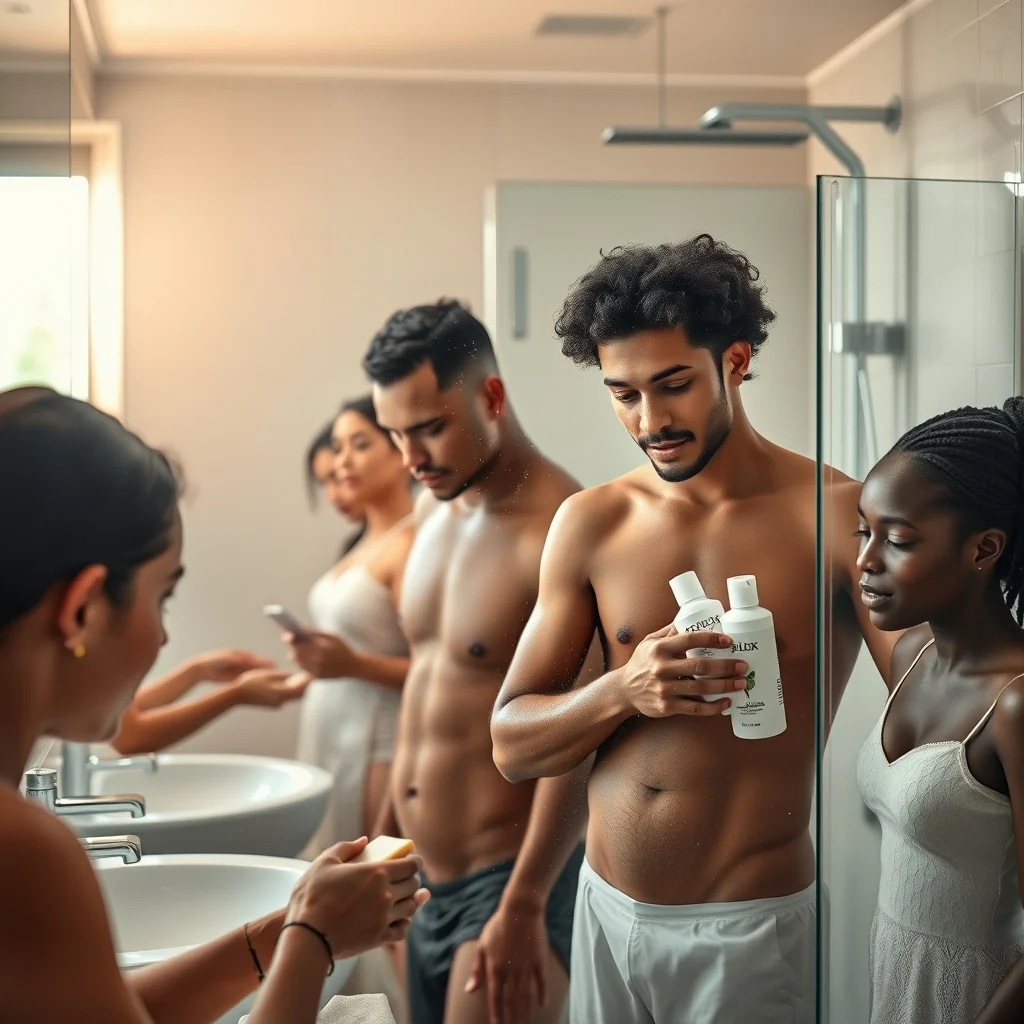
In August 2024, global health organizations and dermatologists reinforced guidelines for body hygiene amid rising concerns over antimicrobial resistance and skin sensitivities. The World Health Organization (WHO) reported a 15% increase in skin-related infections in urban populations since 2020, attributing the trend to improper cleansing habits and overuse of chemical-laden products. Effective body hygiene now emphasizes a balance between eliminating harmful bacteria and preserving the skin’s natural microbiome, with experts advocating for natural antiseptics, pH-balanced cleansers, and post-exercise cleansing routines. Studies from the American Academy of Dermatology indicate that 60% of adults experience skin irritation due to harsh soaps, prompting a shift toward gentler, hydrating alternatives.
The Role of Natural Antiseptic Soaps in Modern Hygiene
Natural antiseptic soaps, derived from ingredients like tea tree oil, neem, and aloe vera, have gained traction as effective alternatives to synthetic antibacterial agents. A 2023 study published in the *Journal of Clinical and Aesthetic Dermatology* found that tea tree oil-based soaps reduced bacterial colonization by 45% compared to triclosan-containing products. Dr. Emily Carter, a dermatologist at Johns Hopkins University, stated, “Natural antiseptics not only combat pathogens but also minimize the risk of disrupting the skin’s barrier function, which is critical for long-term health.”
Historically, cultures such as ancient Egypt and India utilized plant-based antiseptics for wound care and body cleansing. Modern formulations now combine these traditional ingredients with scientific advancements to enhance efficacy while reducing environmental impact. Brands like Dr. Bronner’s and Himalaya have reported a 30% increase in sales of organic soaps in the past two years, reflecting consumer demand for sustainable hygiene solutions.
Warm Water Baths: Benefits and Best Practices
Warm water baths, maintained at temperatures between 37°C and 40°C (98.6°F to 104°F), are recommended for their ability to open pores, improve circulation, and facilitate the removal of dead skin cells. A 2022 study by the *International Journal of Dermatology* found that individuals who bathed in warm water for 10–15 minutes daily experienced a 25% reduction in skin dryness compared to those using hot water. However, excessive heat can strip the skin of natural oils, leading to irritation and dehydration.
Dermatologists advise limiting warm baths to 10–20 minutes and following up with a moisturizer to lock in hydration. The practice is particularly beneficial for individuals with eczema or psoriasis, as it soothes inflammation without aggravating symptoms. In Japan, the tradition of *ofuro* (warm baths) has been linked to lower rates of skin disorders, with research from Kyoto University attributing this to the consistent use of mild, pH-balanced cleansers.
Exfoliation and Dead Skin Removal: Techniques and Risks
Exfoliation, the process of removing dead skin cells, is essential for preventing clogged pores and maintaining a healthy complexion. Mechanical exfoliants, such as loofahs and scrub brushes, and chemical exfoliants, like alpha-hydroxy acids (AHAs) and beta-hydroxy acids (BHAs), are the two primary methods. A 2024 survey by the *British Journal of Dermatology* revealed that 70% of respondents who exfoliated weekly reported improved skin texture, but 20% experienced irritation due to overuse.
Experts recommend exfoliating 1–3 times per week, depending on skin type. Dr. Lisa Nguyen, a skincare specialist at the Mayo Clinic, warned, “Over-exfoliation can compromise the skin’s protective barrier, leading to increased sensitivity and susceptibility to infections.” For sensitive skin, gentler methods like enzymatic exfoliants or washcloths are preferred. The rise of at-home exfoliation tools, such as silicone brushes and microdermabrasion devices, has made the practice more accessible, though professional guidance is advised for optimal results.
Effective Underarm Hygiene and Aluminum-Free Deodorants
Underarm hygiene has become a focal point in personal care, with research linking poor practices to body odor and bacterial overgrowth. A 2023 study in *Dermatologic Therapy* found that individuals who shaved their underarms and used aluminum-free deodorants experienced a 50% reduction in odor-causing bacteria. Aluminum, a common ingredient in antiperspirants, has faced scrutiny due to potential links to breast cancer and Alzheimer’s disease, though the FDA maintains that current evidence is inconclusive.
Natural deodorants, containing ingredients like baking soda, coconut oil, and essential oils, have surged in popularity. Brands such as Native and Schmidt’s reported a 40% increase in sales in 2023, driven by consumer demand for non-toxic alternatives. Dermatologists recommend applying deodorant to clean, dry skin and reapplying as needed, particularly after physical activity. For individuals with hyperhidrosis, prescription-strength antiperspirants or medical treatments may be necessary.
Post-Exercise Hygiene: Preventing Bacterial Growth and Odor
Post-exercise hygiene is critical for preventing bacterial growth and body odor, with sweat providing an ideal environment for microbial proliferation. A 2024 report by the *Journal of Sports Sciences* found that individuals who showered within 30 minutes of exercising reduced their risk of skin infections by 60%. The use of antibacterial body washes, such as those containing chlorhexidine or benzoyl peroxide, is recommended for athletes and individuals with high sweat output.
In addition to showering, changing out of sweaty clothing and using clean towels are essential practices. A study by the *National Athletic Trainers’ Association* revealed that 80% of gym-goers who reused towels experienced fungal or bacterial infections. Experts advise washing towels in hot water (60°C or 140°F) and replacing them every 3–6 months to maintain hygiene. For those unable to shower immediately, portable cleansing wipes or hand sanitizers can provide temporary relief.
Hydration and Premium Skincare for Long-Term Skin Health
Hydration is a cornerstone of skin health, with dermatologists recommending the use of moisturizers containing ceramides, hyaluronic acid, or glycerin. A 2023 study by *Skin Pharmacology and Physiology* found that individuals who applied moisturizer within 3 minutes of bathing retained 50% more skin hydration than those who delayed application. Premium skincare brands, such as CeraVe and La Roche-Posay, have developed formulations targeting specific skin concerns, including sensitivity and aging.
The global skincare market, valued at $155.8 billion in 2023, is projected to grow at a compound annual growth rate (CAGR) of 5.3% through 2030, driven by increasing awareness of skin health. Dermatologists emphasize the importance of selecting products suited to individual skin types, with oil-free moisturizers recommended for acne-prone skin and thicker creams for dry or mature skin. The integration of skincare into daily hygiene routines has been linked to improved skin barrier function and reduced incidence of dermatological conditions.
As body hygiene practices evolve, the emphasis on natural, science-backed solutions continues to shape consumer choices. From antiseptic soaps to post-exercise cleansing, the integration of these habits into daily routines not only enhances personal well-being but also contributes to broader public health outcomes. The shift toward gentler, more sustainable products reflects a growing recognition of the skin’s role as a protective barrier, underscoring the need for balanced and informed hygiene practices.
You may also like
-
SEO for Skincare Websites: Building Trust in the Age of AI Search
-
The Science of Psychosomatic Skin Health: How Stress, Emotions, and Hormones Reshape Dermatological Conditions in Real Time
-
Glowlab Science’s 2025 Dermatological Frontiers: How Independent Clinical Trials and Biotech Are Redefining Skincare Efficacy, Safety, and Transparency in Active Formulations
-
The Role of Natural Antiseptics and Hydration in Modern Body Hygiene: Evidence-Based Practices for Skin Health and Odor Control in 2024
-
Glowlab Science’s 2025 Clinical Research: Independent Trials Reveal Comparative Efficacy in Next-Gen Biotech Skincare and Transparent Active Ingredient Analysis for Dermatological Advancements