
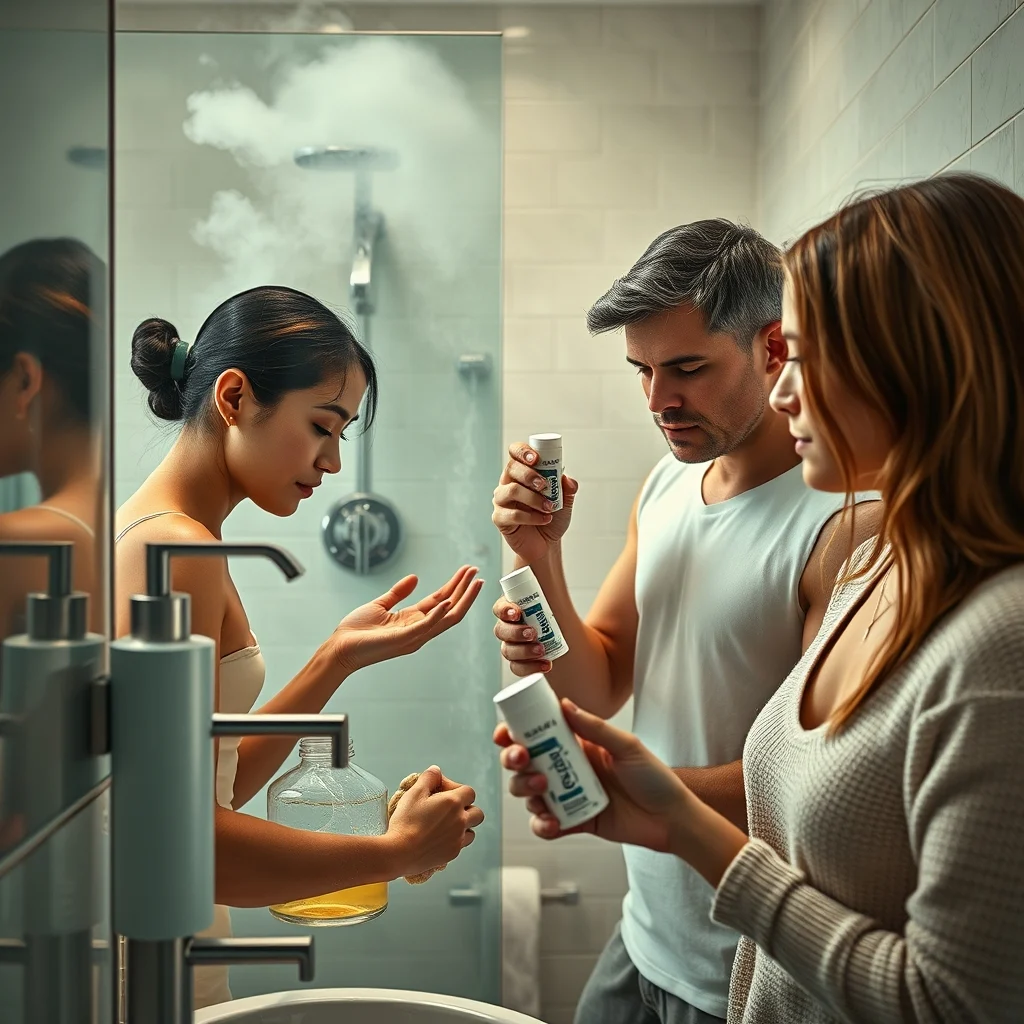
In 2024, a global shift toward enhanced body hygiene practices is being driven by rising consumer awareness of antimicrobial resistance, skin microbiome health, and environmental sustainability. Recent data from the World Health Organization (WHO) indicates that improper hygiene contributes to 1.4 million deaths annually from preventable infections, with bacterial and viral transmissions peaking in urban centers such as Jakarta, New York, and Mumbai. The movement prioritizes natural antiseptic soaps, aluminum-free deodorants, and post-exercise cleansing, particularly in regions with high humidity and pollution levels. Dermatologists and public health experts attribute this trend to scientific advancements in skincare, increased accessibility of organic products, and a cultural emphasis on preventive health measures following the COVID-19 pandemic.
The Science Behind Natural Antiseptic Soaps
Natural antiseptic soaps, formulated with ingredients like tea tree oil, neem, and eucalyptus, have gained traction as effective alternatives to synthetic antibacterial agents. A 2023 study published in the Journal of Applied Microbiology found that tea tree oil exhibits broad-spectrum antimicrobial activity against Staphylococcus aureus and Escherichia coli, two common pathogens linked to skin infections. Dr. Amelia Hartono, a dermatologist at the Indonesian Skin Health Institute, stated, “Natural antiseptics not only reduce bacterial load but also preserve the skin’s lipid barrier, which is often compromised by harsh chemical soaps.” The demand for these products has surged by 42% in Southeast Asia since 2022, according to market research firm NielsenIQ, driven by consumers seeking gentler yet effective cleansing solutions.
In contrast, traditional antiseptic soaps containing triclosan have faced regulatory scrutiny due to their association with antibiotic resistance and endocrine disruption. The U.S. Food and Drug Administration (FDA) banned triclosan in consumer hand soaps in 2016, a decision later mirrored by the European Union in 2019. This regulatory shift has accelerated the development of plant-based alternatives, with brands like Dr. Bronner’s and The Body Shop expanding their organic product lines to include liquid body washes infused with aloe vera and chamomile for sensitive skin.
Warm Water Bathing: A Historical and Modern Hygiene Practice
The ritual of bathing in warm water dates back to ancient civilizations, including the Romans and Ottomans, who built elaborate public baths for both hygiene and social purposes. Modern research supports the benefits of warm water bathing, particularly in promoting circulation and muscle relaxation. A 2021 study conducted by the University of Freiburg found that bathing in water at 38–40°C (100–104°F) for 10 minutes can lower cortisol levels by up to 25%, reducing stress and improving sleep quality. However, dermatologists caution against excessive heat, which can strip the skin of natural oils, leading to dryness and irritation.
In Japan, the practice of ofuro, or hot spring bathing, remains a cornerstone of daily hygiene, with over 27,000 public bathhouses (sento) operating nationwide. The Japanese Ministry of the Environment reported in 2023 that 68% of adults engage in warm water bathing at least three times per week, citing both physical and mental health benefits. This cultural preference has influenced global skincare routines, with brands like Aesop and Kiehl’s introducing warm water-compatible body cleansers designed to maintain skin hydration.
Effective Underarm Hygiene and Aluminum-Free Deodorants
Underarm hygiene has become a focal point in personal care, with consumers increasingly opting for aluminum-free deodorants to avoid potential health risks. A 2022 meta-analysis published in Dermatologic Therapy found no conclusive evidence linking aluminum in antiperspirants to breast cancer, but public concern persists due to its role in skin irritation and clogged sweat glands. Dr. Lisa Nguyen, a dermatologist at the Mayo Clinic, explained, “Aluminum compounds work by temporarily blocking sweat ducts, but they can also cause contact dermatitis in sensitive individuals. Natural alternatives, such as baking soda and arrowroot powder, offer effective odor control without these side effects.”
The global aluminum-free deodorant market is projected to reach $3.2 billion by 2025, according to Grand View Research, with brands like Native and Schmidt’s leading the segment. These products often incorporate probiotics to balance the skin’s microbiome, reducing odor-causing bacteria. In Indonesia, local brands such as Sensatia Botanicals have gained popularity by using coconut oil and lemongrass extracts, which possess natural antibacterial properties. The shift toward aluminum-free options reflects a broader trend of consumers prioritizing transparency in ingredient sourcing and product safety.
Exfoliation and Dead Skin Removal: Techniques and Tools
Exfoliation, the process of removing dead skin cells, is essential for maintaining smooth and healthy skin. Mechanical exfoliation, using tools like loofahs or brushes, and chemical exfoliation, employing alpha-hydroxy acids (AHAs) or beta-hydroxy acids (BHAs), are the two primary methods. A 2023 report by the American Academy of Dermatology (AAD) recommends exfoliating 1–3 times per week, depending on skin type, to prevent clogged pores and improve product absorption. Over-exfoliation, however, can lead to micro-tears and increased sensitivity, particularly in individuals with conditions like eczema or rosacea.
In South Korea, exfoliation is a key component of the 10-step skincare routine, with products like gommage peels and konjac sponges widely used. The Korean Cosmetic Association reported that 72% of adults incorporate exfoliation into their weekly regimen, citing improved skin texture and reduced acne. For those with sensitive skin, dermatologists recommend gentle exfoliants such as oatmeal or rice bran, which provide mild abrasion without causing irritation. The rise of sustainable exfoliation tools, such as bamboo brushes and biodegradable sponges, aligns with the growing demand for eco-friendly personal care products.
Post-Exercise Hygiene: Preventing Bacterial Growth and Odor
Post-exercise hygiene is critical in preventing bacterial growth and body odor, particularly in high-sweat environments. A 2024 study by the International Journal of Sports Medicine found that individuals who shower within 30 minutes of intense physical activity reduce their risk of Staphylococcus infections by 60%. Sweat itself is odorless, but when it interacts with bacteria on the skin’s surface, it produces volatile compounds that cause unpleasant smells. Dr. Michael Chen, a sports medicine specialist at the University of California, Los Angeles, advised, “Using an antimicrobial body wash with ingredients like salicylic acid or zinc pyrithione can significantly reduce bacterial colonization, especially in areas prone to sweat accumulation, such as the underarms and feet.”
The global market for post-exercise hygiene products, including body wipes and cooling sprays, is expected to grow at a compound annual growth rate (CAGR) of 7.8% from 2024 to 2030, according to Market Research Future. In gyms across Europe and North America, the use of disposable body wipes has increased by 35% since 2020, driven by convenience and hygiene concerns. Brands like Dove and Nivea have introduced post-workout cleansing lines that combine hydration with antibacterial properties, catering to athletes and fitness enthusiasts. Additionally, the practice of washing gym clothes with antimicrobial detergents has become standard to prevent bacterial buildup and odor transfer.
Sustainable and Hydrating Body Care Innovations
The body care industry is undergoing a sustainability revolution, with brands prioritizing eco-friendly packaging, biodegradable formulas, and waterless products. A 2023 report by the Ellen MacArthur Foundation highlighted that the beauty industry produces 120 billion units of packaging annually, 70% of which ends up in landfills. In response, companies like Lush and Ethique have pioneered solid body bars and refillable containers, reducing plastic waste by up to 80%. The global market for sustainable personal care is projected to reach $22 billion by 2027, according to Statista, reflecting consumer demand for environmentally responsible products.
Hydration remains a cornerstone of body care, with consumers seeking products that lock in moisture without clogging pores. Hyaluronic acid, glycerin, and shea butter are among the most sought-after ingredients, with the global body moisturizer market valued at $15.6 billion in 2023. Brands like CeraVe and Eucerin have expanded their product lines to include ceramides and niacinamide, which strengthen the skin’s moisture barrier. In arid regions such as the Middle East and Australia, hydrating body washes and oils have become essential, with sales increasing by 28% in the past two years. The integration of sustainable and hydrating innovations underscores a broader commitment to both personal and planetary health.
As body hygiene practices continue to evolve, the convergence of science, sustainability, and consumer education is shaping a new standard for personal cleanliness. The adoption of natural antiseptics, warm water rituals, and post-exercise care reflects a proactive approach to health, while innovations in sustainable skincare ensure that these practices remain accessible and environmentally responsible. With ongoing research and technological advancements, the future of body hygiene promises to balance efficacy, safety, and ecological stewardship.
You may also like
-
SEO for Skincare Websites: Building Trust in the Age of AI Search
-
The Science of Psychosomatic Skin Health: How Stress, Emotions, and Hormones Reshape Dermatological Conditions in Real Time
-
Glowlab Science’s 2025 Dermatological Frontiers: How Independent Clinical Trials and Biotech Are Redefining Skincare Efficacy, Safety, and Transparency in Active Formulations
-
The Role of Natural Antiseptics and Hydration in Modern Body Hygiene: Evidence-Based Practices for Skin Health and Odor Control in 2024
-
Glowlab Science’s 2025 Clinical Research: Independent Trials Reveal Comparative Efficacy in Next-Gen Biotech Skincare and Transparent Active Ingredient Analysis for Dermatological Advancements