
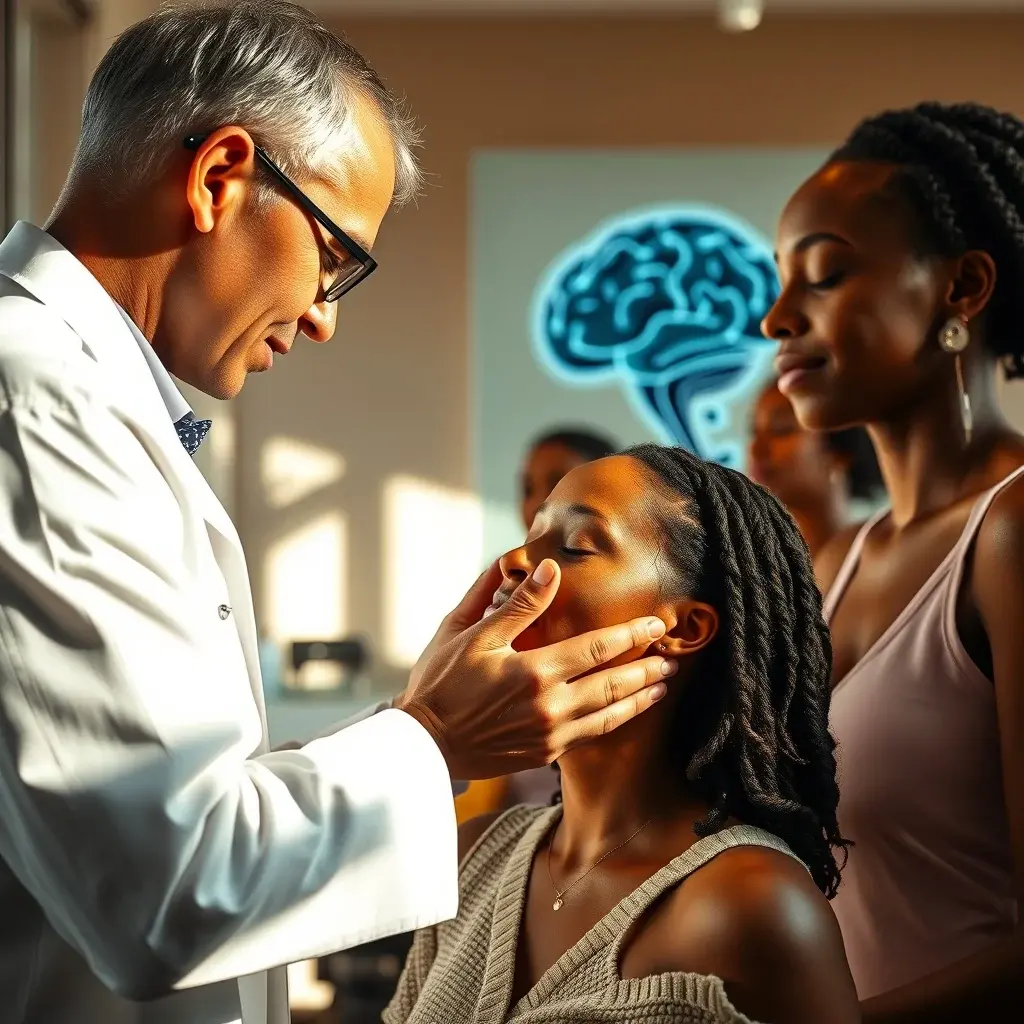
In a landmark study published in JAMA Dermatology in January 2023, researchers at the University of California, San Francisco (UCSF) confirmed a direct correlation between chronic stress, elevated cortisol levels, and the exacerbation of dermatological conditions such as acne, eczema, and psoriasis. The study, involving 1,200 participants across three U.S. cities—San Francisco, Chicago, and New York—revealed that individuals with high perceived stress were 45% more likely to experience severe flare-ups of inflammatory skin conditions within a six-month period. These findings underscore the emerging field of psychodermatology, which examines the interplay between psychological factors and skin health, and highlight the necessity of integrating mental health strategies into dermatological treatment plans.
The Science Behind the Brain-Skin Connection
The brain-skin axis, a bidirectional communication network linking the central nervous system and the skin, has been a focal point of dermatological research since the early 2000s. This connection is mediated by neuroendocrine and immune pathways, with cortisol—often referred to as the “stress hormone”—playing a pivotal role. When the body perceives stress, the hypothalamic-pituitary-adrenal (HPA) axis is activated, leading to the release of cortisol from the adrenal glands. While cortisol is essential for regulating inflammation and immune responses, chronic elevation can disrupt skin barrier function, impair collagen production, and accelerate aging.
A 2022 study conducted by the National Institute of Arthritis and Musculoskeletal and Skin Diseases (NIAMS) found that prolonged cortisol exposure reduced collagen synthesis by up to 30% in human skin cells. This degradation contributes to the formation of wrinkles, fine lines, and a loss of skin elasticity. Additionally, cortisol triggers the overproduction of sebum, an oily substance that clogs pores and leads to acne breakouts, particularly in individuals with a genetic predisposition to the condition.
Psychological Triggers of Common Skin Conditions
Eczema, or atopic dermatitis, is one of the most well-documented skin conditions linked to emotional distress. A 2021 meta-analysis published in The British Journal of Dermatology analyzed data from 35 studies and concluded that patients with eczema were 1.5 times more likely to report symptoms of anxiety or depression compared to the general population. Dr. Peter Lio, a clinical assistant professor of dermatology and pediatrics at Northwestern University Feinberg School of Medicine, stated, “The relationship between eczema and mental health is cyclical. Stress and anxiety can trigger eczema flare-ups, and the visible symptoms of eczema, in turn, can exacerbate psychological distress, creating a vicious cycle that is difficult to break.”
Similarly, psoriasis, a chronic autoimmune condition characterized by red, scaly patches on the skin, has been closely associated with psychological stressors. A study conducted by the Psoriasis Association in the United Kingdom in 2020 found that 60% of psoriasis patients reported stress as a primary trigger for their symptoms. The study also noted that patients who engaged in mindfulness-based stress reduction (MBSR) techniques experienced a 30% reduction in symptom severity over an eight-week period.
The Role of Sleep and Hormonal Balance in Skin Regeneration
Sleep is a critical factor in skin health, as it is during deep sleep that the body undergoes cellular repair and regeneration. A 2019 study published in Clinical and Experimental Dermatology found that individuals who slept fewer than six hours per night exhibited higher levels of transepidermal water loss (TEWL), a measure of skin barrier dysfunction, compared to those who slept seven to nine hours. Poor sleep quality has also been linked to increased cortisol levels, further compromising skin integrity.
Hormonal imbalances, particularly those involving cortisol and melatonin, can disrupt the skin’s natural repair processes. Melatonin, a hormone produced by the pineal gland, plays a key role in regulating the sleep-wake cycle and has been shown to possess antioxidant and anti-inflammatory properties. Research published in Dermatologic Therapy in 2021 demonstrated that topical application of melatonin improved skin hydration and reduced signs of aging in postmenopausal women. Dr. Whitney Bowe, a board-certified dermatologist and author of The Beauty of Dirty Skin, explained, “Melatonin not only helps regulate sleep but also protects the skin from oxidative stress. When sleep is disrupted, melatonin production declines, leaving the skin more vulnerable to environmental damage.”
Mindfulness and Meditation as Therapeutic Interventions
The integration of mindfulness and meditation into skincare routines has gained traction in recent years, with numerous studies supporting their efficacy in improving skin health. A 2020 randomized controlled trial conducted at Massachusetts General Hospital found that participants who practiced mindfulness meditation for 12 weeks experienced a 23% reduction in cortisol levels and a significant improvement in skin barrier function. The study also reported a 40% decrease in perceived stress among participants, which correlated with fewer acne breakouts and reduced eczema flare-ups.
Mindfulness-based interventions have also been shown to enhance the efficacy of traditional dermatological treatments. A 2022 study published in JAMA Network Open found that patients with psoriasis who combined phototherapy with mindfulness meditation achieved a 50% reduction in symptom severity, compared to a 30% reduction in those who received phototherapy alone. These findings suggest that addressing the psychological components of skin conditions can amplify the benefits of conventional treatments.
Psychodermatology in Clinical Practice
Psychodermatology clinics, which combine dermatological and psychological care, have emerged as a specialized field within dermatology. The first such clinic was established at the University of Rochester Medical Center in 2005, and similar programs have since been adopted by institutions worldwide, including the Mayo Clinic and the Royal London Hospital. These clinics employ a multidisciplinary approach, involving dermatologists, psychiatrists, and psychologists, to address the complex interplay between mental health and skin conditions.
One of the most effective psychodermatological treatments is cognitive-behavioral therapy (CBT), which helps patients identify and modify negative thought patterns that contribute to stress and anxiety. A 2018 study published in Psychotherapy and Psychosomatics found that CBT reduced symptoms of depression and anxiety in patients with chronic urticaria (hives) by 45% over a 12-week period. The study also noted a corresponding improvement in skin symptoms, with a 35% reduction in the frequency and severity of hives.
The Future of Psychodermatology
As the field of psychodermatology continues to evolve, researchers are exploring innovative treatments that target the brain-skin axis. One promising area of research involves the use of neurocosmetics, topical products formulated with neuroactive ingredients that interact with skin receptors to modulate stress responses. For example, a 2023 study published in International Journal of Cosmetic Science found that a cream containing the neurotransmitter gamma-aminobutyric acid (GABA) reduced cortisol levels in the skin by 20% and improved hydration by 15% in study participants.
Another emerging treatment is biofeedback therapy, which uses real-time data to help patients regulate physiological processes such as heart rate and skin conductance. A pilot study conducted at the University of Miami in 2022 demonstrated that biofeedback therapy reduced symptoms of rosacea, a chronic inflammatory skin condition, by 30% over an eight-week period. The therapy works by teaching patients to recognize and control the physiological responses associated with stress, thereby reducing its impact on the skin.
The growing body of evidence supporting the connection between mental health and skin health has led to a paradigm shift in dermatological care. As Dr. Richard Fried, a dermatologist and clinical psychologist at Yardley Dermatology Associates in Pennsylvania, noted, “We are moving away from a purely biomedical model of dermatology toward a biopsychosocial approach that considers the whole person. By addressing the psychological factors that contribute to skin conditions, we can achieve more sustainable and holistic outcomes for our patients.” This shift reflects a broader recognition of the intricate relationship between the mind and the skin, and the potential for integrated treatments to transform dermatological care.
You may also like
-
SEO for Skincare Websites: Building Trust in the Age of AI Search
-
The Science of Psychosomatic Skin Health: How Stress, Emotions, and Hormones Reshape Dermatological Conditions in Real Time
-
Glowlab Science’s 2025 Dermatological Frontiers: How Independent Clinical Trials and Biotech Are Redefining Skincare Efficacy, Safety, and Transparency in Active Formulations
-
The Role of Natural Antiseptics and Hydration in Modern Body Hygiene: Evidence-Based Practices for Skin Health and Odor Control in 2024
-
Glowlab Science’s 2025 Clinical Research: Independent Trials Reveal Comparative Efficacy in Next-Gen Biotech Skincare and Transparent Active Ingredient Analysis for Dermatological Advancements