
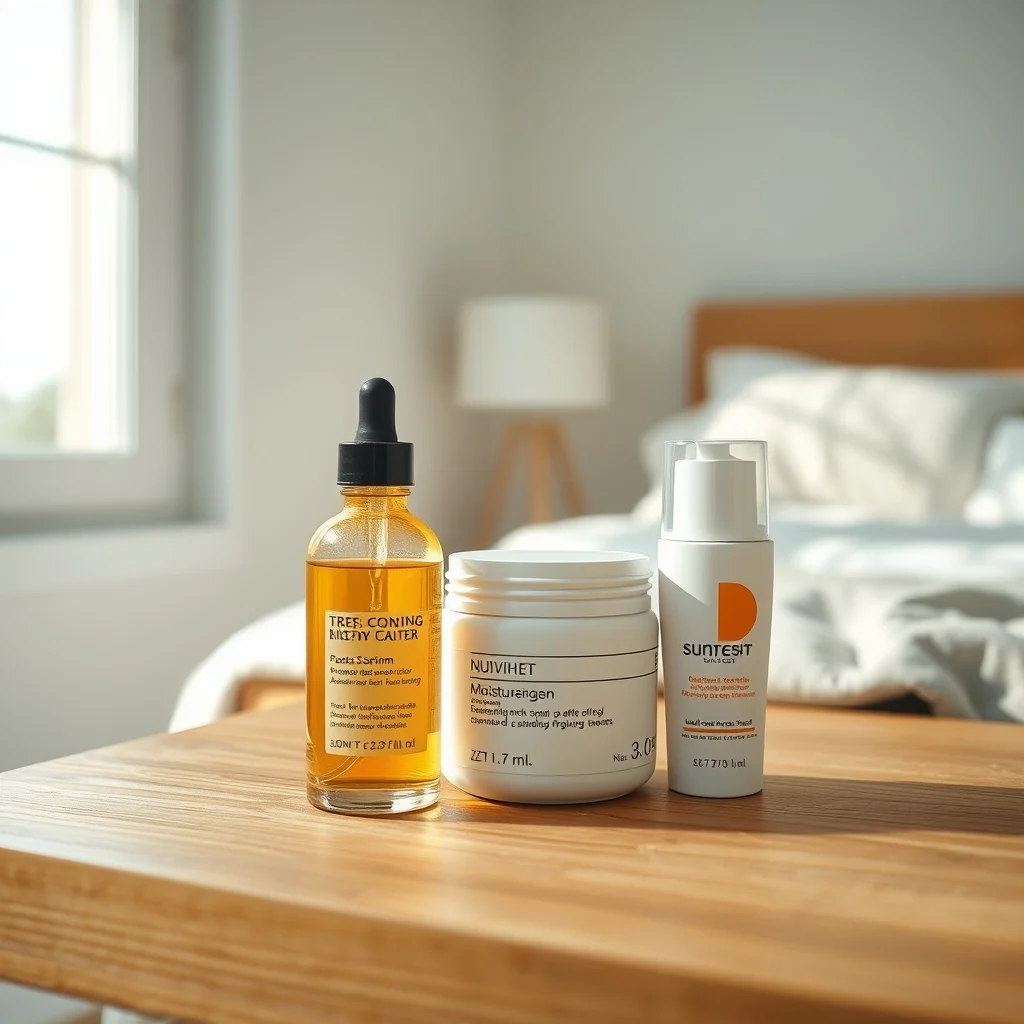
Tired of skincare products that promise miracles but deliver disappointment? The overwhelming array of options—from serums to moisturizers—can leave even the most determined beginner feeling lost. What if there was a way to cut through the noise and choose products backed by real science, tailored to your unique skin needs? **Evidence-based product reviews** offer a smarter approach, helping you make informed decisions without the guesswork.
Skincare isn’t one-size-fits-all, and relying on trends or influencer recommendations can lead to wasted money and frustrated skin. The key lies in understanding how to evaluate products based on active ingredients, clinical backing, and your skin’s specific requirements. Whether you’re dealing with dryness, sensitivity, or just want to simplify your routine, this guide will walk you through the fundamentals of making confident, science-backed choices.
Why Evidence-Based Product Reviews Matter
Skincare marketing often prioritizes hype over substance, making it hard to separate fact from fiction. **Evidence-based product reviews** shift the focus to what truly works by examining ingredients, formulation science, and real-world results. This method ensures you’re investing in products that align with dermatological best practices rather than fleeting trends.
For beginners, this approach demystifies the process. Instead of scrolling endlessly through reviews or relying on vague claims, you can rely on clear, research-backed criteria. Think of it as your skin’s personal guide, helping you avoid products that may irritate, clog pores, or fail to deliver on promises.
One of the biggest misconceptions is that expensive products are inherently better. While price can indicate quality, it’s not the sole determinant. Evidence-based reviews highlight that affordability and efficacy often go hand in hand when you know what to look for. This mindset shift can save you time, money, and potential skin frustration.
How to Start Your Evidence-Based Skincare Journey
Begin by identifying your skin’s core concerns—whether it’s hydration, acne prevention, or anti-aging. This clarity will guide your product selection. For example, if your skin is prone to breakouts, prioritize ingredients like niacinamide or salicylic acid, which have been studied for their effectiveness in regulating sebum and unclogging pores.
Next, familiarize yourself with common active ingredients and their roles. Retinoids, for instance, are well-researched for their ability to promote cell turnover and reduce fine lines. However, they can be harsh for sensitive skin, so pairing them with gentle moisturizers is key. Understanding these dynamics helps you build a routine that’s both effective and sustainable.
Another critical step is reading labels carefully. Avoid products with unnecessary fillers or fragrances that can trigger irritation. Look for clean, dermatologist-tested formulations that focus on delivering active ingredients without compromising skin health. Websites like the FDA’s Cosmetic Ingredient Review can be a useful resource for verifying ingredient safety.
Common Pitfalls to Avoid
Even with the best intentions, beginners often fall into traps that derail their skincare progress. One of the most common mistakes is introducing too many products at once. Overloading your routine with serums, essences, and treatments can overwhelm your skin, leading to redness, breakouts, or dryness. Start with a minimalist approach—focus on one or two key products and give them time to work.
Another red flag is ignoring patch testing. New products, even those marketed as gentle, can cause reactions. Always apply a small amount to a discreet area like your jawline or behind your ear before committing to full-face use. This simple step can prevent unnecessary irritation and help you gauge how your skin responds.
Lastly, don’t dismiss the importance of consistency. Skincare is a marathon, not a sprint. Rushing to see results often leads to impulsive decisions, like switching products too frequently or over-exfoliating. Give your routine at least 4–6 weeks to assess its effectiveness before making changes. Patience is key to achieving long-term skin health.
Building a Routine That Works for You
Once you’ve identified your skin’s needs and avoided common mistakes, it’s time to craft a routine that feels manageable and effective. Start with a cleanse that suits your skin type—gentle for sensitive skin, balancing for oily, or hydrating for dry. Follow with a serum or treatment targeting your primary concern, then seal in moisture with a lightweight or rich moisturizer.
Layering products correctly is also essential. For example, apply water-based serums before oil-based treatments to ensure absorption. If you’re using retinoids, introduce them gradually, 2–3 times a week, to minimize irritation. Tools like the American Academy of Dermatology’s skincare guides can provide additional tips tailored to specific skin types.
Don’t forget about sun protection. While often overlooked, sunscreen is the most critical step in any skincare routine. Choose a broad-spectrum SPF that fits seamlessly into your daily regimen, whether it’s a lightweight gel for oily skin or a hydrating lotion for dry skin. Consistency here is non-negotiable for preventing premature aging and skin damage.
When to Seek Professional Advice
While evidence-based reviews empower you to make informed choices, there are times when professional guidance is invaluable. If you’re dealing with persistent issues like severe acne, rosacea, or hyperpigmentation, a dermatologist can provide personalized recommendations. They can also help you navigate complex skin concerns that may require prescription-strength treatments.
Even if you’re confident in your routine, an annual check-up with a dermatologist ensures you’re on the right track. They can assess your skin’s health, adjust your regimen as needed, and address any concerns that may arise. Think of this as a proactive step to maintain long-term skin wellness.
For those who prefer a more hands-off approach, online consultations or virtual dermatology services can offer expert advice without the need for in-person visits. These platforms often provide tailored product recommendations based on your skin analysis, making it easier than ever to access professional insights.
Your skincare journey is unique, and the right products can make all the difference. By embracing an **evidence-based approach**, you’re not just chasing trends—you’re investing in a routine that nurtures your skin’s health and reflects your individual needs. Start small, stay consistent, and let science guide your choices. Your future self will thank you for the clarity and confidence you gain along the way.
You may also like
-
Evidence-Based Product Reviews: Smart Choices for Busy People
-
Evidence-Based Product Reviews: A Barrier-First Approach for Healthier Skin
-
Evidence-Based Product Reviews: A Barrier-First Approach for Healthier Skin
-
Evidence-Based Product Reviews: A Beginner’s Guide to Smarter Skincare Choices
-
Evidence-Based Product Reviews: A Beginner’s Guide to Smart Skincare Choices