
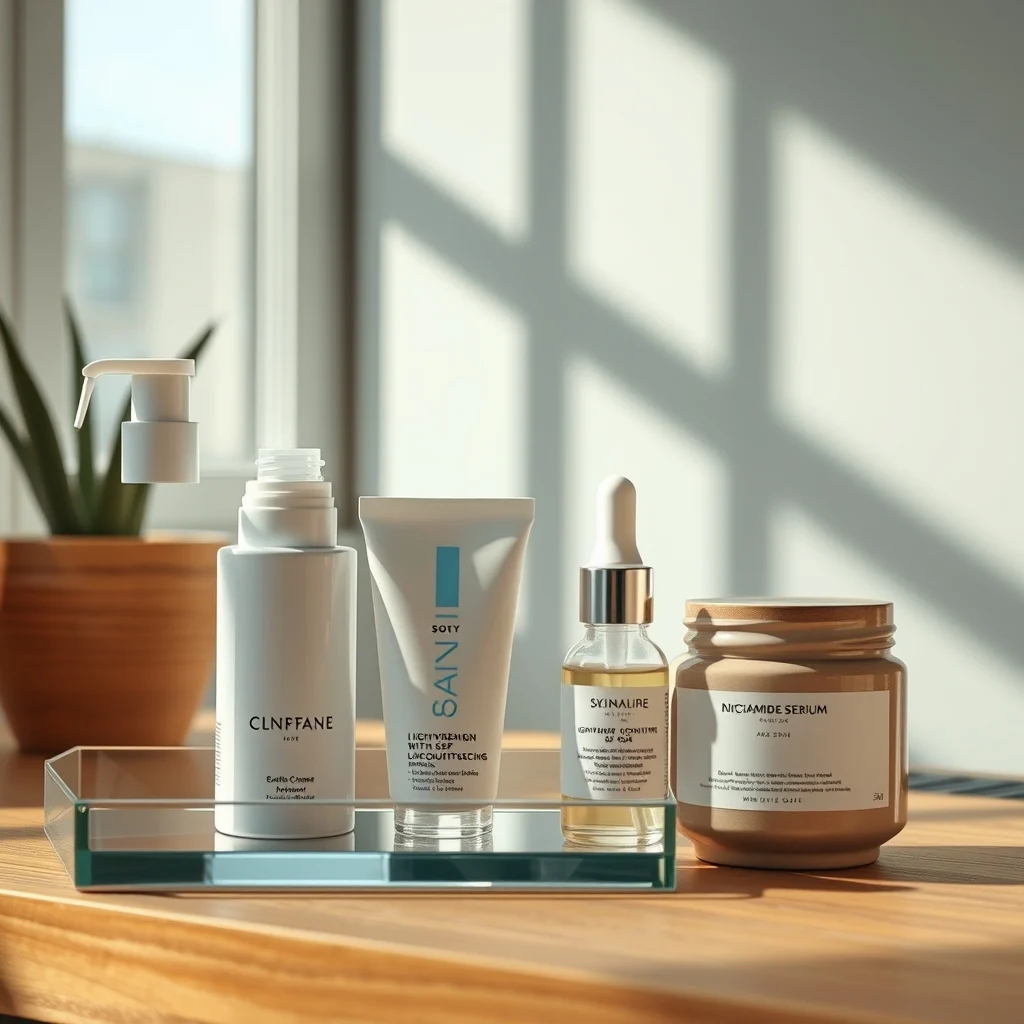
Ever feel overwhelmed by the endless skincare products promising miracles, only to end up with a cluttered routine that doesn’t actually improve your skin? The key to simplifying your approach lies in understanding clinical studies—not as a complex jargon, but as a tool to build a smarter, more effective routine. What if you could cut through the noise and focus on what truly works, without overcomplicating things?
Why Your Skin Needs a Barrier-First Approach
Your skin’s barrier is its first line of defense against environmental stressors, pollution, and irritation. When it’s compromised, even the most advanced actives can backfire, leading to redness, dryness, or breakouts. A barrier-first approach prioritizes hydration, gentle cleansing, and soothing ingredients to strengthen this protective layer before introducing potent treatments.
Clinical studies often highlight the importance of ceramides, hyaluronic acid, and cholesterol in repairing the skin barrier. These ingredients aren’t just buzzwords—they’re backed by research to help lock in moisture and reduce sensitivity. By focusing on these foundational steps, you’re setting the stage for long-term skin health.
This philosophy aligns perfectly with skinimalism, a minimalist approach to skincare that emphasizes fewer, high-impact products. It’s about quality over quantity, ensuring each step serves a purpose without adding unnecessary steps or irritation.
How to Decode Clinical Studies for a Simplified Routine
Clinical studies can feel like a foreign language, but the core takeaway is simple: consistency and patience matter more than expensive products. Look for studies that focus on long-term results rather than short-term fixes. For example, research on niacinamide often highlights its ability to improve skin texture and reduce redness over weeks or months—not overnight.
Instead of chasing the latest trend, ask yourself: Does this ingredient align with my skin’s needs? Is it backed by research that supports its claims? By filtering out the hype and focusing on evidence-based actives, you can build a routine that’s both effective and sustainable.
For instance, peptides and growth factors are frequently studied for their regenerative properties. While they might sound complex, their role in promoting collagen production and skin repair is well-documented. Incorporating these into your routine—when your barrier is strong—can yield noticeable improvements.
Common Mistakes That Sabotage Your Skin Goals
Avoiding over-exfoliation is a critical step in a barrier-first approach. Overdoing acids or scrubs can strip your skin of its natural oils, leading to dryness and irritation. Clinical studies consistently show that gentle exfoliation, even just a few times a week, is more effective in the long run.
Another mistake is layering too many products at once. While it might seem like more is better, your skin can only absorb so much at a time. Start with a cleanse, hydrate, and then introduce one or two actives. This gradual approach ensures your skin can adapt without reacting negatively.
Ignoring your skin’s feedback is also a pitfall. If a product causes redness or tightness, it’s a sign your skin isn’t ready for it. Trust your skin’s signals and adjust your routine accordingly. Clinical studies emphasize the importance of individualized care—what works for one person might not work for another.
Skinimalism: Less Is More
Skinimalism encourages you to strip back your routine to its essentials: cleanse, hydrate, and protect. This doesn’t mean neglecting your skin’s needs—it means focusing on what truly moves the needle. For example, a lightweight moisturizer with SPF in the morning and a simple serum at night can address hydration and sun protection without overwhelming your skin.
Clinical studies often highlight the role of sunscreen as a non-negotiable step in any skincare routine. It’s not just about preventing sunburn; it’s about protecting against long-term damage like hyperpigmentation and premature aging. Pairing it with a gentle moisturizer ensures your skin stays balanced and protected.
When it comes to serums or treatments, opt for multi-functional products. For example, a serum containing both hyaluronic acid and peptides can address hydration and skin renewal in one step. This efficiency is at the heart of skinimalism—doing more with less.
Building Your Routine Step by Step
Start with a gentle cleanser that respects your skin’s pH. Avoid harsh sulfates, which can disrupt your barrier. Follow up with a hydrating toner or essence to prep your skin for the next steps. This is where you can introduce actives like niacinamide or peptides, but only if your skin is ready.
Moisturizing is non-negotiable, regardless of your skin type. Even oily skin needs hydration to maintain its barrier. Look for lightweight, oil-free formulas that provide moisture without clogging pores. Clinical studies show that well-hydrated skin is more resilient and less prone to irritation.
Finally, don’t forget about sun protection. A broad-spectrum SPF should be a daily staple, especially if you’re using actives that increase your skin’s sensitivity to the sun. This is one of the most underrated yet critical steps in any skincare routine.
Your skincare journey doesn’t have to be complicated. By focusing on a barrier-first, skinimalist approach and leveraging the insights from clinical studies, you can build a routine that’s both effective and easy to maintain. Start small, listen to your skin, and let evidence guide your choices. Over time, you’ll see the difference in a clearer, healthier complexion.
Learn more about skin health basics from the American Academy of Dermatology.
You may also like
-
Clinical Studies Explained Simply: A Beginner’s Guide to Skincare Science
-
Clinical Studies Explained Simply: Quick Tips for Busy People
-
Clinical Studies Explained Simply: A Step-by-Step Guide for Beginners
-
**Clinical Studies Explained Simply: How to Get Started This Week**
-
Clinical Studies Explained: Quick Tips for Busy People