
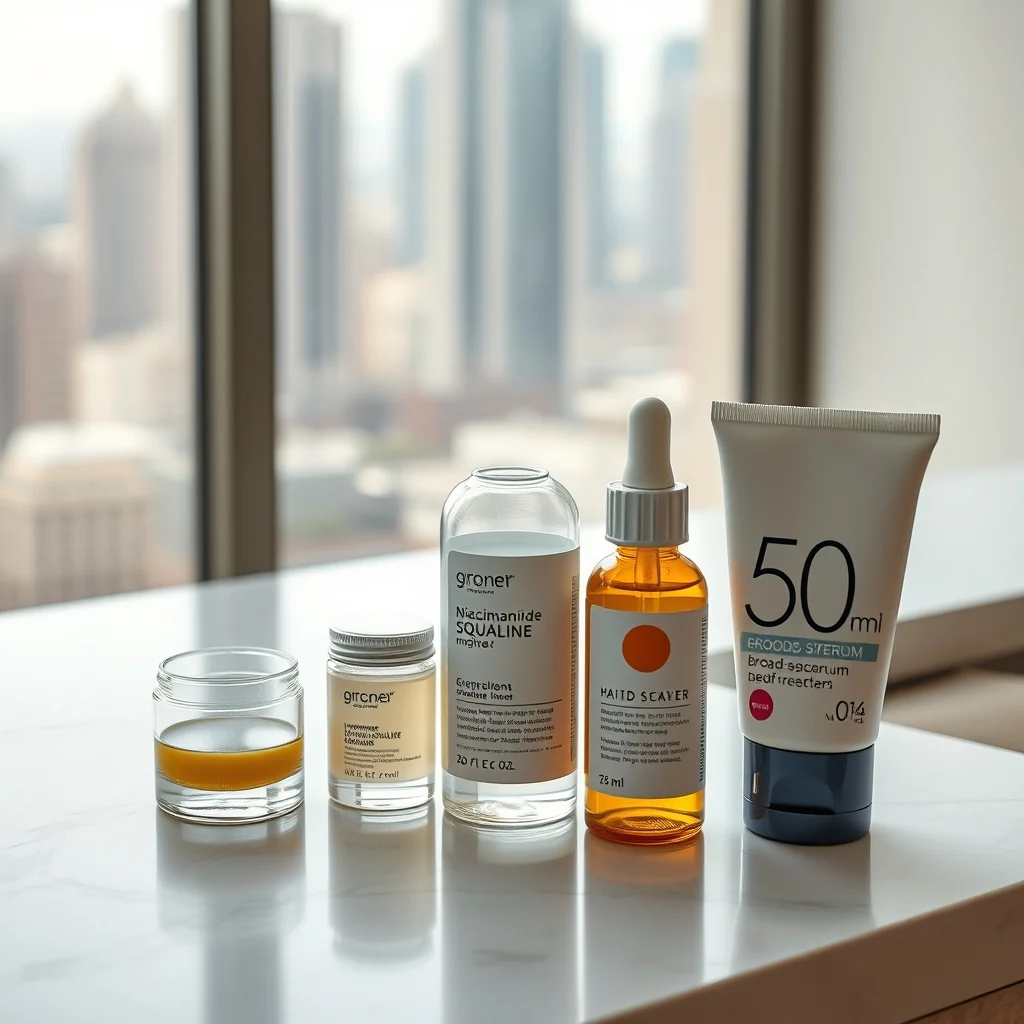
Ever feel like your skincare routine is just another item on your never-ending to-do list? You’re not alone. Between work, life, and everything in between, finding time to understand how skincare ingredients work can feel overwhelming. But what if you could simplify your approach and still achieve healthier, happier skin? The key lies in understanding the science behind those ingredients—so you can pick the right ones, use them effectively, and save time without sacrificing results.
Why Understanding Ingredients Matters for Busy Skincare Routines
When you’re short on time, it’s tempting to grab whatever product is quick and convenient. However, not all ingredients are created equal. Some work synergistically to address multiple skin concerns, while others might even cause unintended irritation or breakouts. By learning how ingredients interact with your skin, you can streamline your routine and focus on what truly moves the needle for your specific needs.
For example, ingredients like hyaluronic acid and niacinamide are versatile and can be used in both morning and night routines. Hyaluronic acid hydrates and plumps, while niacinamide soothes and evens out skin tone—all without requiring multiple steps. Understanding these functions allows you to build a routine that’s efficient yet effective.
Quick Wins: The Most Effective Ingredients for Busy Skin
If you’re pressed for time, prioritize ingredients that deliver multiple benefits. Niacinamide is a standout because it tackles everything from oil control to redness and fine lines. It’s gentle enough for sensitive skin and can be layered with other actives like vitamin C in the morning or retinol at night (if you’re not sensitive to retinol).
Another game-changer is squalane, a lightweight, non-comedogenic moisturizer that mimics your skin’s natural oils. It hydrates without clogging pores, making it ideal for oily or combination skin. Pair it with a broad-spectrum sunscreen in the morning, and you’ve covered hydration and sun protection in one step.
For those who struggle with dryness or sensitivity, ceramides and glycerin are your best friends. These ingredients help repair the skin barrier, lock in moisture, and prevent irritation. Look for products with these ingredients in your cleanser or moisturizer to keep your skin resilient and protected.
How to Layer Ingredients Like a Pro (Even on a Tight Schedule)
Layering ingredients correctly ensures they work together instead of canceling each other out. A simple rule of thumb is to start with the thinnest consistency (like serums) and build up to thicker textures (like creams). For example, apply vitamin C serum in the morning, followed by niacinamide, and finish with sunscreen. At night, you might use a gentle exfoliant (like lactic acid) if your skin tolerates it, followed by a lightweight moisturizer.
If your routine feels too complex, simplify it by choosing multi-functional products. For instance, a moisturizer with SPF in it cuts down on steps while still protecting your skin from UV damage. Similarly, a cleanser with salicylic acid can replace a separate exfoliating step for oily or acne-prone skin.
Always patch-test new ingredients to avoid irritation, especially if you’re short on time and can’t wait for a full routine adjustment. Start with a small amount and gradually increase usage to see how your skin reacts.
Common Mistakes Busy People Make with Skincare Ingredients
One of the biggest mistakes is over-exfoliating or using too many actives at once. This can lead to irritation, redness, or even breakouts. If you’re using retinol or alpha-hydroxy acids (AHAs), start with 1–2 times per week and gradually increase. Similarly, avoid mixing strong actives like retinol and benzoyl peroxide in the same routine unless your skin can handle it.
Another pitfall is skipping sunscreen, especially if your routine is focused on anti-aging or hydration. UV damage accelerates aging and can undo the benefits of serums and moisturizers. Even on cloudy days, wear sunscreen to protect your skin’s long-term health.
Lastly, don’t neglect your neck, chest, and hands—these areas are often overlooked but show signs of aging just like your face. Apply the same products you use on your face to these areas for consistent results.
Weekly Skincare Checklist for Busy People
To keep your routine on track without feeling overwhelmed, follow this simple weekly checklist:
- Morning: Cleanse, apply vitamin C or niacinamide, moisturize, and always wear sunscreen.
- Night: Cleanse, apply a gentle exfoliant (2–3 times a week), follow with a serum or moisturizer, and hydrate with a lightweight cream or oil.
- Weekly: Do a deep cleanse or mask 1–2 times a week to refresh your skin and remove buildup.
- Monthly: Replace expired products and reassess your routine to ensure it’s still working for your skin’s current needs.
Stick to this structure, and you’ll maintain healthy skin without spending hours in front of the mirror.
When to Seek Professional Help
While understanding ingredients can go a long way, some skin concerns—like severe acne, rosacea, or persistent redness—might require professional guidance. If your skin isn’t improving with at-home treatments, consider consulting a dermatologist or esthetician. They can provide personalized recommendations and treatments tailored to your skin’s unique needs.
For now, focus on building a routine that’s simple, effective, and sustainable. Small, consistent steps will yield the best results over time.
Ready to simplify your skincare routine? Start by swapping one product for a multi-functional option and watch how much easier (and more effective) your routine becomes. Your skin will thank you for the attention—and the time saved.
Learn more about maintaining healthy skin habits from trusted sources.