
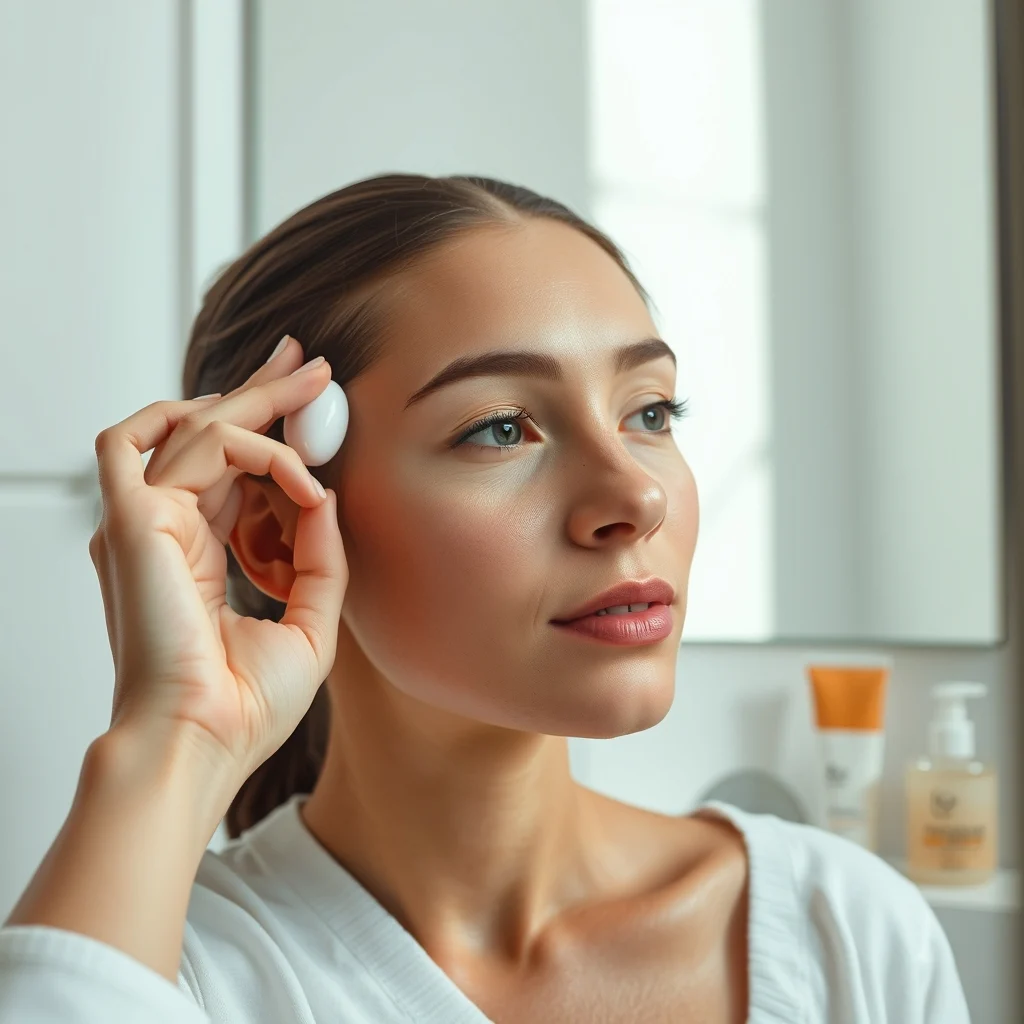
Struggling with shiny skin, clogged pores, or breakouts no matter what you try? If you have oily skin, you’ve likely heard countless tips—some helpful, others downright misleading. The truth is, many common skincare myths debunked for oily skin can do more harm than good, leaving your complexion worse off than before. The key isn’t to strip your skin of its natural oils or overload it with harsh products, but to understand what truly balances and nourishes it.
The Myth: Oily Skin Doesn’t Need Moisturizer
One of the most persistent myths is that oily skin doesn’t need moisturizer. Many people skip this step, fearing it will make their skin greasier. However, dehydrated skin can actually trigger more oil production as your skin tries to compensate for the lack of hydration. The result? Even shinier skin and potential breakouts.
Opt for lightweight, oil-free moisturizers that hydrate without clogging pores. Gel-based or water-based formulas are ideal, as they absorb quickly and leave a matte finish. Ingredients like hyaluronic acid can provide hydration without adding extra oil, while niacinamide helps regulate sebum production over time.
If you’re worried about shine, look for moisturizers labeled “non-comedogenic” or “mattifying.” These are designed to hydrate while keeping excess oil at bay. Remember, even oily skin needs moisture to stay healthy and balanced.
The Myth: Harsh Cleansers Are the Best for Oily Skin
It’s tempting to reach for strong, foaming cleansers that promise to cut through oil and leave your skin squeaky clean. But harsh cleansers can strip your skin of its natural barrier, leading to irritation, redness, and even more oil production as your skin tries to protect itself. Over-cleansing can also disrupt your skin’s pH balance, making it more prone to breakouts.
Instead, choose a gentle, pH-balanced cleanser that removes excess oil and impurities without over-drying. Look for ingredients like salicylic acid or tea tree oil, which help control oil and prevent clogged pores without being too aggressive. Cleansing twice a day—morning and night—is usually enough to keep oily skin in check.
If your skin feels tight or dry after washing, it’s a sign your cleanser is too harsh. Switch to something milder, and your skin will thank you with a more balanced, less reactive complexion.
The Myth: You Should Skip Sunscreen to Avoid Greasiness
Sunscreen is non-negotiable for healthy skin, but many people with oily skin avoid it because they associate it with heaviness or breakouts. The truth is, skipping sunscreen can lead to long-term damage, including premature aging and hyperpigmentation. The good news? There are plenty of lightweight, non-greasy sunscreens designed specifically for oily skin.
Look for oil-free, mattifying sunscreens with a gel or fluid texture. Mineral sunscreens containing zinc oxide or titanium dioxide can also work well, as they sit on the skin’s surface and absorb excess oil. Some sunscreens even include ingredients like niacinamide or silica to help control shine throughout the day.
If you’re worried about clogged pores, opt for a sunscreen labeled “non-comedogenic.” Apply it as the last step in your morning routine, and you’ll protect your skin without the greasy aftermath.
The Myth: Exfoliating Daily Keeps Oil Under Control
Exfoliation is essential for removing dead skin cells and preventing clogged pores, but overdoing it can backfire. Daily exfoliation can irritate your skin, leading to redness, sensitivity, and even more oil production as your skin tries to repair itself. It can also weaken your skin’s barrier, making it more susceptible to environmental damage and breakouts.
For oily skin, 2-3 times a week is usually enough to keep pores clear without causing irritation. Chemical exfoliants like salicylic acid or glycolic acid are great options, as they dissolve oil and dead skin cells without the need for scrubbing. If you prefer physical exfoliants, choose a gentle scrub with smooth, rounded particles to avoid micro-tears in your skin.
Listen to your skin—if it feels raw or looks red after exfoliating, scale back. Consistency is key, but moderation is just as important for maintaining a healthy complexion.
The Myth: Oily Skin Doesn’t Age as Quickly
Some people believe that oily skin ages more slowly because the natural oils keep it plump and hydrated. While it’s true that oily skin may develop fewer fine lines early on, it’s not immune to aging. In fact, oily skin can still show signs of sun damage, loss of elasticity, and uneven texture as you get older.
The key to preventing premature aging in oily skin is the same as for any skin type: protection and hydration. Sunscreen is your best defense against wrinkles and sunspots, while antioxidants like vitamin C can help brighten and even out your skin tone. Retinoids are another powerful tool, as they stimulate collagen production and improve skin texture over time.
Don’t assume your skin will stay youthful just because it’s oily. A consistent skincare routine that includes sun protection and anti-aging ingredients will keep your complexion looking its best for years to come.
The Myth: You Can Shrink Your Pores Permanently
Pores are a natural part of your skin’s structure, and their size is largely determined by genetics. While you can’t shrink them permanently, you can minimize their appearance with the right skincare routine. The key is to keep them clean and unclogged, which makes them look smaller and less noticeable.
Start by using a gentle cleanser and exfoliating regularly to prevent buildup. Ingredients like niacinamide and clay masks can help absorb excess oil and tighten the skin around your pores, giving them a temporarily smaller appearance. Avoid heavy, pore-clogging products, and always remove your makeup before bed to keep pores clear.
If you’re looking for professional treatments, options like chemical peels or laser therapy can improve pore appearance, but they won’t eliminate them entirely. The best approach is to focus on keeping your pores clean and your skin healthy, rather than chasing an impossible goal.
Now that you know the truth behind these common skincare myths debunked for oily skin, it’s time to rethink your routine. Start by swapping out harsh products for gentler alternatives, and focus on balancing your skin rather than stripping it. With the right approach, you can achieve a clearer, healthier complexion without the frustration of trial and error. For more trusted skincare advice, check out resources from the American Academy of Dermatology.
You may also like
-
Skincare Myths Debunked: What Most People Get Wrong About Peptides & Regenerative Actives
-
Skincare Myths Debunked: A Barrier-First, Skinimalism Approach
-
Common Skincare Myths Debunked: A Beginner’s Guide to Smarter Skin Care
-
Common Skincare Myths Debunked: Quick Tips for Busy People
-
Skincare Myths Debunked: What Most People Get Wrong About Skin Care Routines