
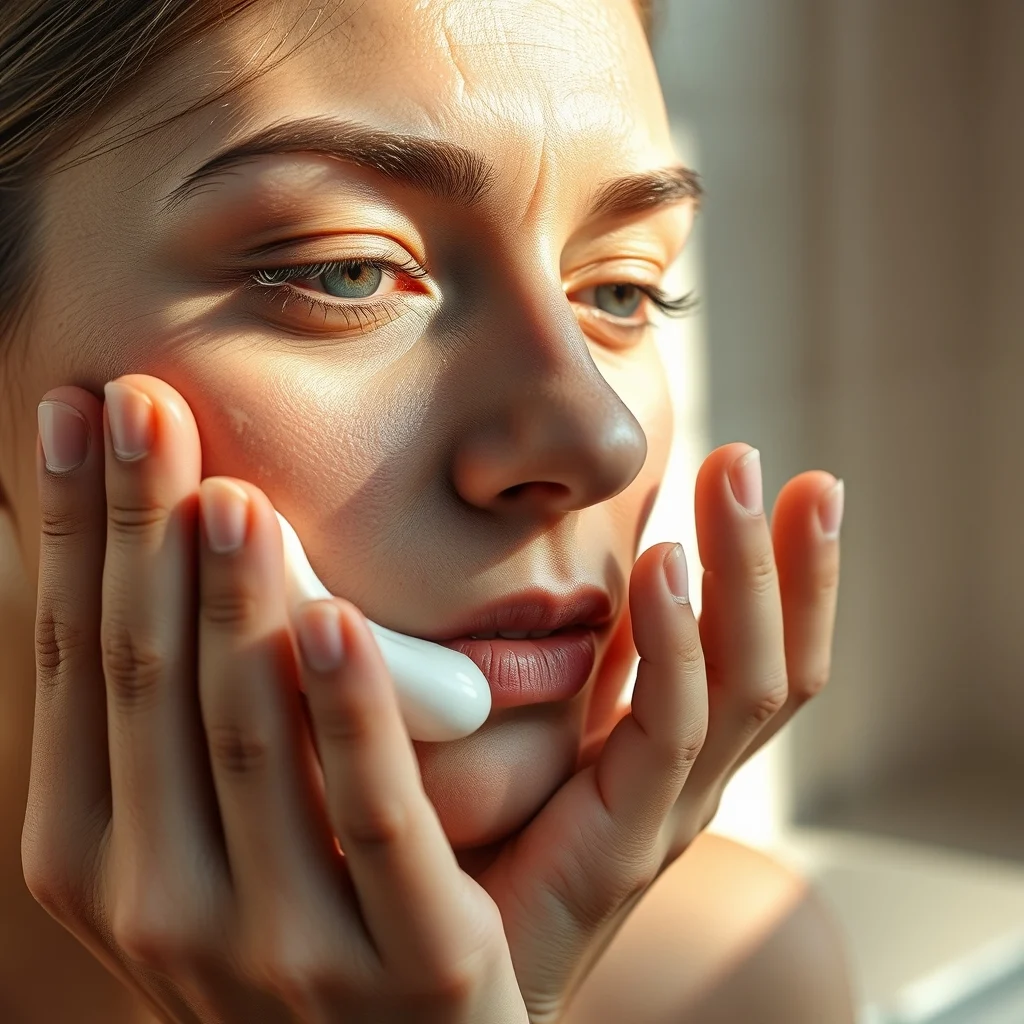
If you have dry or sensitive skin, you’ve likely heard conflicting advice about what products to use, how often to moisturize, or even whether exfoliation is safe. Navigating common skincare myths debunked for these skin types can feel overwhelming, especially when well-meaning tips end up causing redness, irritation, or flakiness instead of relief. The truth is, dry and sensitive skin requires a gentle, science-backed approach—not harsh treatments or quick fixes that promise miracles overnight.
Myth #1: “You Don’t Need to Moisturize If Your Skin Doesn’t Feel Dry”
Many people with sensitive skin skip moisturizer if their skin doesn’t feel tight or flaky, assuming it’s unnecessary. However, even skin that appears normal can have a compromised moisture barrier, making it prone to irritation over time. A lightweight, fragrance-free moisturizer acts as a protective shield, locking in hydration and preventing environmental stressors from triggering sensitivity.
Look for ingredients like ceramides, hyaluronic acid, or squalane, which mimic the skin’s natural lipids and help repair the barrier. Applying moisturizer to damp skin can also enhance absorption, ensuring your skin stays supple without feeling greasy. Consistency is key—skipping this step can lead to long-term dehydration, even if you don’t see immediate signs.
Myth #2: “Exfoliation Will Always Make Dry Skin Worse”
The idea that exfoliation is off-limits for dry or sensitive skin is one of the most persistent skincare myths. While aggressive scrubs or high-percentage acids can indeed cause damage, gentle exfoliation is essential for removing dead skin cells that contribute to dullness and clogged pores. The key is choosing the right type and frequency.
Opt for chemical exfoliants like lactic acid or PHA (polyhydroxy acids), which are milder than glycolic acid and provide hydration while exfoliating. Start with once a week and monitor your skin’s reaction. If redness or stinging occurs, reduce frequency or switch to an even gentler formula. Physical exfoliants, like washcloths or soft silicone brushes, can also work if used with minimal pressure.
Myth #3: “Natural Ingredients Are Always Safe for Sensitive Skin”
Just because an ingredient is natural doesn’t mean it’s gentle. Essential oils, citrus extracts, and even some botanicals like lavender or tea tree oil can be highly irritating to sensitive skin, causing redness, itching, or breakouts. Fragrance—whether synthetic or natural—is another common culprit behind reactions.
Instead of assuming a product is safe because it’s labeled “natural,” check the ingredient list for potential irritants. Patch-test new products on a small area of skin before applying them to your face. Hypoallergenic and non-comedogenic labels can also help guide your choices, but they’re not foolproof. When in doubt, simpler is better: fewer ingredients mean fewer chances for irritation.
Myth #4: “Hot Water Opens Pores and Helps Cleanse Better”
Hot water might feel soothing, but it strips the skin of its natural oils, leaving dry and sensitive skin even more vulnerable. Pores don’t actually open or close—they’re not muscles—but hot water can dilate blood vessels, leading to redness and inflammation, especially for those with rosacea or eczema.
Wash your face with lukewarm water instead, and follow up with a gentle cleanser that doesn’t lather excessively. Foaming cleansers can disrupt the skin’s pH balance, so opt for cream or lotion-based formulas that cleanse without stripping. After washing, pat your skin dry with a soft towel—don’t rub—and apply moisturizer immediately to seal in hydration.
Myth #5: “If a Product Burns or Tingles, It’s Working”
A stinging sensation doesn’t mean a product is effective—it’s often a sign of irritation. Products containing alcohol, menthol, or high concentrations of active ingredients can trigger this reaction, especially on sensitive skin. While some tingling might be normal with certain treatments (like vitamin C serums), persistent burning or redness is a red flag.
Listen to your skin. If a product causes discomfort, discontinue use and switch to a gentler alternative. Ingredients like niacinamide or panthenol can soothe irritation while still delivering benefits. When introducing new products, do it one at a time to identify potential triggers. Your skin should feel calm and comfortable, not like it’s under attack.
Myth #6: “You Can ‘Fix’ Sensitive Skin with the Right Products”
Sensitive skin isn’t a temporary issue to “fix”—it’s a skin type that requires ongoing care and attention. While the right products can minimize reactions, there’s no magic formula that will make sensitivity disappear entirely. Genetics, environmental factors, and even stress play a role in how your skin behaves.
Focus on maintaining a stable routine with products that support your skin barrier. Avoid overloading your skin with too many active ingredients, and give it time to adjust to new additions. If you’re unsure where to start, consult a dermatologist for personalized recommendations. Remember, healthy skin isn’t about perfection—it’s about finding what works for you and sticking with it.
Dry and sensitive skin doesn’t have to be a constant battle. By debunking these common skincare myths, you can build a routine that nurtures your skin instead of aggravating it. Start with one change at a time, observe how your skin responds, and don’t hesitate to adjust as needed. Your skin will thank you for the patience and care.
For more trusted information on skincare, visit the American Academy of Dermatology.
You may also like
-
Skincare Myths Debunked: What Most People Get Wrong About Peptides & Regenerative Actives
-
Skincare Myths Debunked: A Barrier-First, Skinimalism Approach
-
Common Skincare Myths Debunked: A Beginner’s Guide to Smarter Skin Care
-
Common Skincare Myths Debunked: Quick Tips for Busy People
-
Skincare Myths Debunked: What Most People Get Wrong About Skin Care Routines