
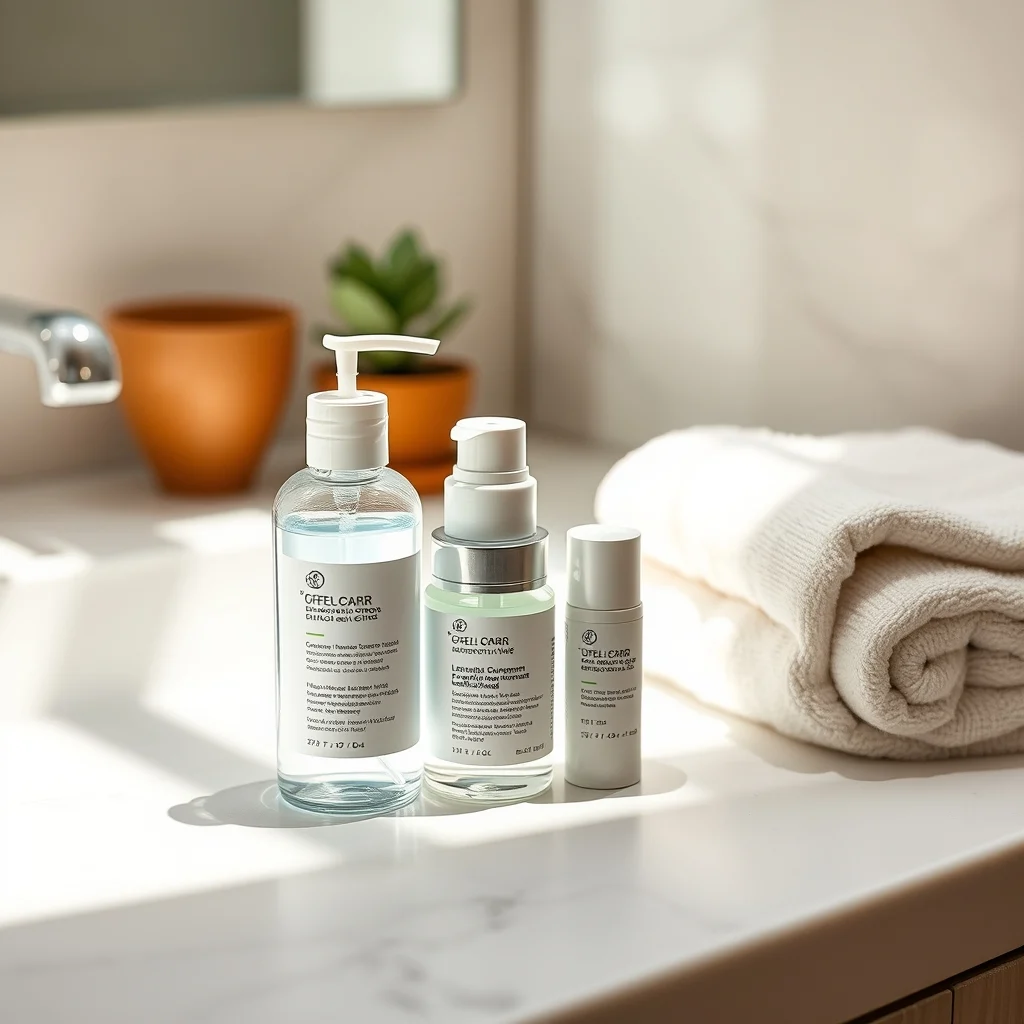
Struggling to separate skincare facts from fiction? You’re not alone. Many people unknowingly follow advice that weakens their skin barrier or complicates their routine, leaving them frustrated with lackluster results. The truth is, **common skincare myths debunked** often reveal that less is more—especially when you prioritize skin health over trends. This guide simplifies the noise by focusing on a barrier-first, skinimalism approach, so you can build a routine that actually works.
Myth #1: More Products Equal Better Skin
Layering serums, toners, and treatments might feel productive, but overloading your skin can backfire. Each product introduces new ingredients, increasing the risk of irritation or clashing formulas. Skinimalism—using fewer, high-quality products—reduces this risk while supporting your skin’s natural barrier.
Start by identifying your skin’s core needs: hydration, protection, and repair. A gentle cleanser, moisturizer, and sunscreen are often enough to maintain balance. If you add actives like vitamin C or retinol, introduce them one at a time to monitor tolerance.
Myth #2: Oily Skin Doesn’t Need Moisturizer
Skipping moisturizer because your skin feels greasy? That’s a mistake. Oily skin can still be dehydrated, and stripping it of moisture triggers even more oil production. A lightweight, non-comedogenic moisturizer helps regulate sebum while keeping the barrier intact.
Look for gel-based formulas with hyaluronic acid or glycerin. These ingredients hydrate without clogging pores. If your skin feels tight after cleansing, it’s a sign you need moisture—even if it’s oily.
Myth #3: Natural Ingredients Are Always Safe
Just because an ingredient is natural doesn’t mean it’s gentle. Essential oils, citrus extracts, and even aloe vera can irritate sensitive skin or cause allergic reactions. The key is patch-testing new products and avoiding known irritants like fragrance or high concentrations of alcohol.
Instead of chasing “clean” labels, focus on formulations that suit your skin type. A dermatologist-tested synthetic ingredient might be safer than a trendy botanical extract. Always prioritize stability and efficacy over marketing buzzwords.
Myth #4: Sunscreen Is Only for Sunny Days
UV rays penetrate clouds and windows, meaning your skin is exposed year-round. Daily sunscreen use is non-negotiable for preventing premature aging, hyperpigmentation, and even skin cancer. Yet many people skip it on overcast days or indoors.
Opt for a broad-spectrum SPF 30 or higher, and reapply every two hours if you’re outside. Mineral sunscreens with zinc oxide are great for sensitive skin, while chemical filters offer lightweight, invisible protection. Make it the last step in your morning routine—no exceptions.
Myth #5: Exfoliating Daily Keeps Skin Smooth
Over-exfoliating disrupts the skin barrier, leading to redness, flakiness, and breakouts. While exfoliation removes dead skin cells, doing it too often strips away protective lipids. Most skin types only need exfoliation 1-3 times a week, depending on the product’s strength.
Choose gentle exfoliants like lactic acid or PHA for sensitive skin, and save stronger actives like glycolic acid for occasional use. Listen to your skin—if it feels raw or irritated, scale back. A healthy barrier is smoother than one that’s been scrubbed into submission.
Myth #6: Expensive Products Work Better
Price doesn’t always equal performance. Many drugstore products contain the same active ingredients as luxury brands, just in different packaging. The effectiveness of a product depends on its formulation, not its cost.
Focus on key ingredients like niacinamide, ceramides, or peptides—these are proven to support skin health. A $10 moisturizer with ceramides can be just as effective as a $100 one. Save your money for products that truly deliver, like sunscreen or treatments with high concentrations of actives.
Your skin doesn’t need a 10-step routine to thrive. By debunking these myths, you can streamline your regimen and focus on what truly matters: a strong barrier, consistent protection, and ingredients that work for your skin. Start small, observe how your skin responds, and adjust as needed. The best routine is the one you’ll actually stick with—and your skin will thank you for it.
For more science-backed skincare advice, visit the American Academy of Dermatology.
You may also like
-
Skincare Myths Debunked: What Most People Get Wrong About Peptides & Regenerative Actives
-
Skincare Myths Debunked: A Barrier-First, Skinimalism Approach
-
Common Skincare Myths Debunked: A Beginner’s Guide to Smarter Skin Care
-
Common Skincare Myths Debunked: Quick Tips for Busy People
-
Skincare Myths Debunked: What Most People Get Wrong About Skin Care Routines