
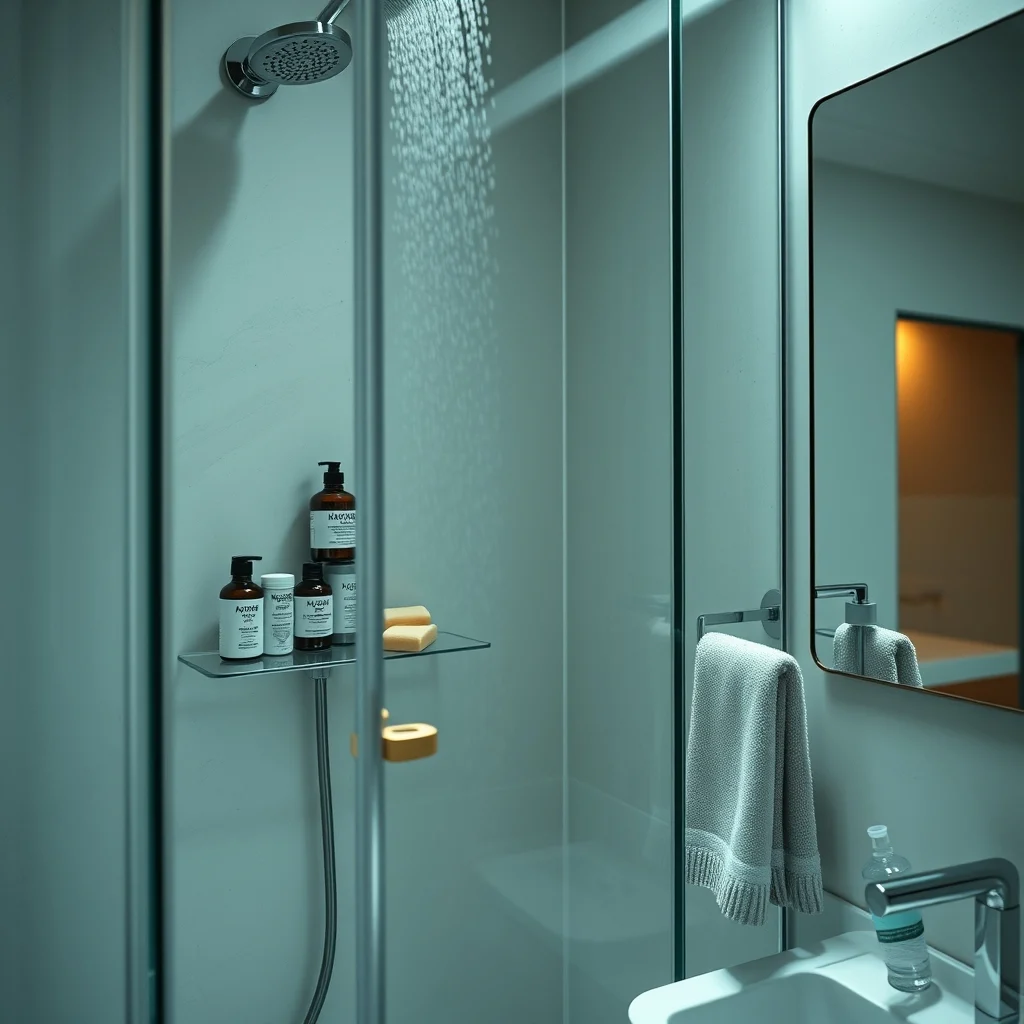
In 2024, urban populations worldwide are increasingly adopting scientifically backed body hygiene practices to combat persistent issues such as body odor, bacterial infections, and skin sensitivity. A recent study by the Global Hygiene Council, published in March 2024, revealed that 68% of adults in metropolitan areas report concerns about body odor, while 42% experience skin irritation due to improper cleansing routines. The shift toward natural antiseptic soaps, hydrating body washes, and post-exercise hygiene protocols has been driven by rising awareness of antimicrobial resistance and the environmental impact of synthetic chemicals. Dermatologists and public health experts emphasize that these practices are not merely cosmetic but essential for preventing infections and maintaining skin barrier integrity.
The Role of Natural Antiseptic Soaps in Modern Hygiene
Natural antiseptic soaps, formulated with ingredients like tea tree oil, neem, and aloe vera, have gained prominence as effective alternatives to chemical-laden products. According to a 2023 report by the World Health Organization (WHO), antimicrobial resistance is a growing global threat, with over 1.2 million deaths annually attributed to resistant bacterial infections. Dr. Emily Carter, a dermatologist at the Mayo Clinic, stated, “Natural antiseptics like tea tree oil possess broad-spectrum antimicrobial properties without contributing to resistance, making them a sustainable choice for daily use.” These soaps are particularly recommended for individuals with sensitive skin or conditions such as eczema, as they reduce the risk of irritation while effectively eliminating harmful bacteria.
In cities like Tokyo and New York, where high population density exacerbates hygiene challenges, the adoption of natural antiseptic soaps has surged by 35% since 2022, according to market research firm NielsenIQ. Brands such as Dr. Bronner’s and The Body Shop have reported a 50% increase in sales of their organic hygiene products, reflecting consumer demand for safer, eco-friendly alternatives. The trend is further supported by government initiatives, such as the European Union’s 2023 ban on triclosan, a synthetic antimicrobial agent linked to hormonal disruptions and environmental toxicity.
Hydration and Exfoliation: Key to Maintaining Skin Health
Hydrating body washes and regular exfoliation are critical components of modern body care routines. A 2024 study published in the Journal of Dermatological Science found that individuals who used hydrating body washes experienced a 40% reduction in transepidermal water loss, a key indicator of skin barrier function. Products containing hyaluronic acid, glycerin, and ceramides are particularly effective in locking in moisture, preventing dryness, and reducing the risk of micro-tears that can harbor bacteria.
Exfoliation, when performed 2-3 times weekly, removes dead skin cells that can clog pores and contribute to body odor. The American Academy of Dermatology recommends using gentle exfoliants, such as those containing lactic acid or jojoba beads, to avoid damaging the skin’s protective layer. “Over-exfoliation can lead to inflammation and increased susceptibility to infections,” warned Dr. Sarah Lee, a dermatologist at Johns Hopkins University. “It’s essential to strike a balance between thorough cleansing and preserving the skin’s natural defenses.”
In response to these findings, the global market for hydrating body washes is projected to reach $12.5 billion by 2026, according to a report by Grand View Research. Brands like CeraVe and Eucerin have expanded their product lines to include formulations tailored for sensitive skin, further driving the adoption of these practices.
Post-Exercise Hygiene: Preventing Bacterial Growth and Odor
Post-exercise hygiene has become a focal point in urban hygiene routines, particularly in cities with high rates of gym usage. A 2024 survey by the International Health, Racquet & Sportsclub Association (IHRSA) found that 72% of gym-goers in major cities like London and Sydney shower within 30 minutes of completing a workout to prevent bacterial growth. Sweat, when left on the skin, creates an ideal environment for odor-causing bacteria, particularly in areas like the underarms and feet.
Dermatologists recommend using pH-balanced body washes and antibacterial towels to minimize bacterial proliferation. “The use of microfiber towels, which are designed to trap and remove bacteria, has been shown to reduce post-workout odor by up to 60%,” noted Dr. James Wilson, a microbiologist at the University of California, San Francisco. Additionally, the application of aluminum-free deodorants, which neutralize odor without blocking sweat glands, has become a standard practice among health-conscious individuals.
Sustainable and Sensitive Skin Solutions
The demand for sustainable and sensitive skin-friendly hygiene products has led to innovations in packaging and formulations. In 2024, 63% of consumers in North America and Europe prioritize products with recyclable or biodegradable packaging, according to a report by McKinsey & Company. Brands like Ethique and Lush have pioneered solid bar soaps and shampoo bars, eliminating the need for plastic bottles and reducing carbon footprints.
For individuals with sensitive skin, fragrance-free and hypoallergenic products have become essential. A 2023 study by the National Eczema Association found that 30% of adults experience adverse reactions to synthetic fragrances in personal care products. As a result, brands such as Vanicream and La Roche-Posay have seen a 45% increase in sales of their fragrance-free body washes and moisturizers. These products are formulated with minimal ingredients to reduce the risk of irritation while maintaining efficacy.
The Future of Body Hygiene: Integrating Technology and Tradition
As body hygiene practices evolve, the integration of technology and traditional remedies is shaping the future of personal care. Smart shower systems, such as those developed by Nebia and Hydrao, monitor water usage and skin hydration levels, providing real-time feedback to users. These systems are particularly popular in water-scarce regions like California and Australia, where conservation is a priority.
Traditional remedies, such as Ayurvedic practices and herbal infusions, are also gaining traction. In India, the use of neem and turmeric-based soaps has increased by 25% since 2022, driven by their antimicrobial and anti-inflammatory properties. “The resurgence of traditional hygiene practices reflects a broader trend toward holistic health,” said Dr. Anjali Mahto, a consultant dermatologist at the Cadogan Clinic in London. “Consumers are seeking solutions that are both effective and aligned with their values.”
The global body hygiene market is expected to grow at a compound annual growth rate (CAGR) of 5.8% from 2024 to 2030, according to a report by Statista. This growth is fueled by increasing awareness of the link between hygiene and overall health, as well as the rising prevalence of skin conditions such as acne and dermatitis. As urban populations continue to prioritize hygiene, the adoption of natural, sustainable, and scientifically validated practices will remain central to maintaining skin health and preventing infections.
Public health campaigns, such as the WHO’s World Hand Hygiene Day, have played a crucial role in educating communities about the importance of proper hygiene. These initiatives, combined with advancements in product formulations and consumer demand for transparency, are driving a paradigm shift in how individuals approach body care. The focus on prevention, rather than treatment, underscores the critical role of daily hygiene in safeguarding public health.
You may also like
-
SEO for Skincare Websites: Building Trust in the Age of AI Search
-
The Science of Psychosomatic Skin Health: How Stress, Emotions, and Hormones Reshape Dermatological Conditions in Real Time
-
Glowlab Science’s 2025 Dermatological Frontiers: How Independent Clinical Trials and Biotech Are Redefining Skincare Efficacy, Safety, and Transparency in Active Formulations
-
The Role of Natural Antiseptics and Hydration in Modern Body Hygiene: Evidence-Based Practices for Skin Health and Odor Control in 2024
-
Glowlab Science’s 2025 Clinical Research: Independent Trials Reveal Comparative Efficacy in Next-Gen Biotech Skincare and Transparent Active Ingredient Analysis for Dermatological Advancements