
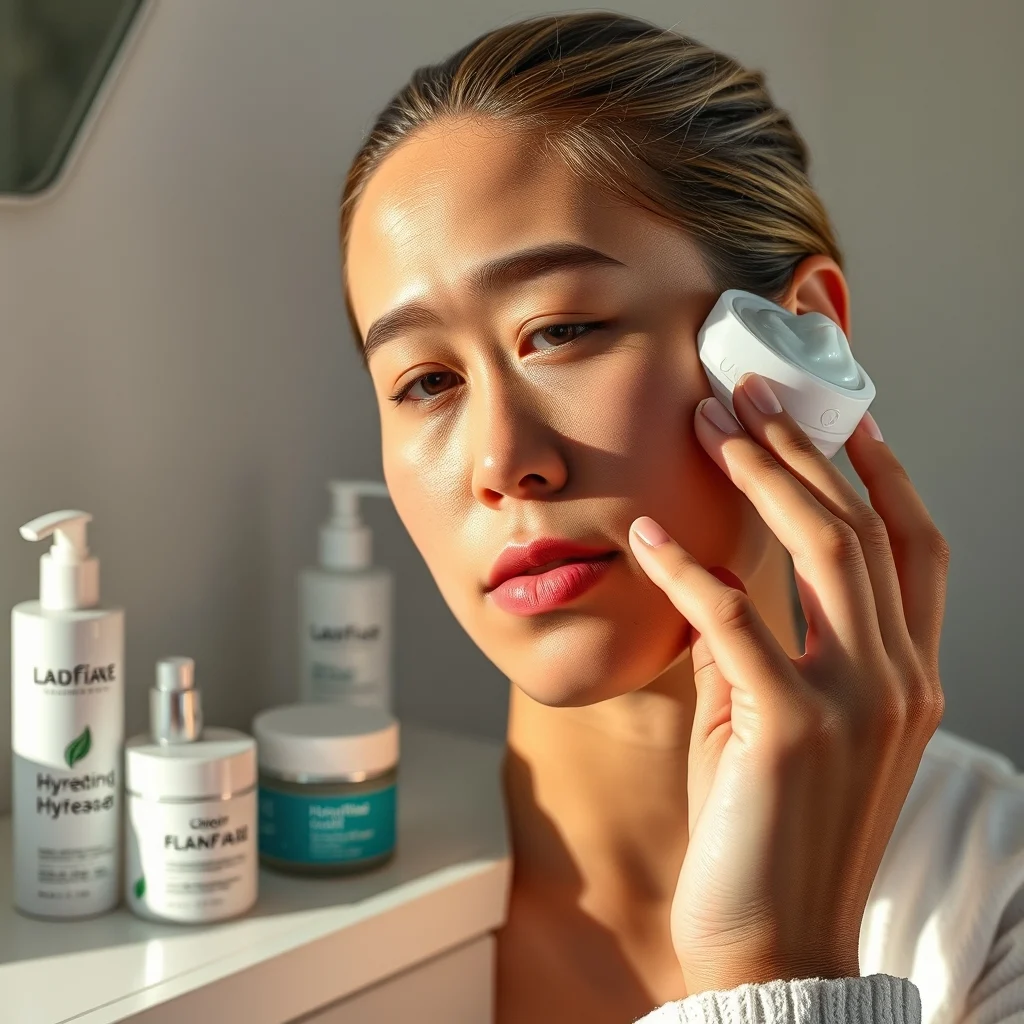
If you have dry or sensitive skin, you know the struggle of finding products that actually work without causing redness, irritation, or that dreaded tight feeling. The world of clinical studies can feel overwhelming, especially when you’re just trying to soothe your skin—not turn it into a science experiment. But what if understanding the basics of these studies could help you make smarter, gentler choices for your skincare routine? The good news is, you don’t need a degree in dermatology to decode the jargon or spot the right ingredients for your skin’s needs.
Why Dry and Sensitive Skin Needs a Different Approach
Dry and sensitive skin isn’t just about discomfort—it’s about a compromised barrier that struggles to retain moisture and protect against irritants. Unlike oily or combination skin, which can often tolerate a wider range of active ingredients, dry and sensitive skin requires a more cautious, barrier-focused approach. Clinical studies often highlight ingredients like ceramides, hyaluronic acid, and colloidal oatmeal for their ability to repair and soothe, but not all products are created equal. The key is knowing which studies to trust and how to interpret their findings for your specific skin type.
Many people with sensitive skin fall into the trap of overloading on rich creams or harsh exfoliants, hoping for quick fixes. However, clinical research suggests that less is often more. Look for studies that emphasize gentle, hydrating ingredients with proven tolerability for sensitive skin. For example, products tested on a panel of participants with dry or reactive skin are more likely to deliver the results you need without the side effects.
How to Read Clinical Studies Without the Confusion
Clinical studies can seem like they’re written in another language, but breaking them down into simple parts makes them far more accessible. Start by focusing on the study’s objective—what problem was it trying to solve? For dry and sensitive skin, you’ll want to see terms like “barrier repair,” “moisture retention,” or “reduced irritation.” The methods section is also crucial; it tells you how the study was conducted, including the number of participants and the duration. A study with a larger sample size and longer duration is generally more reliable.
Pay attention to the results, but don’t get bogged down by complex graphs or statistical terms. Instead, look for clear outcomes, such as “80% of participants reported reduced dryness” or “visible improvement in skin barrier function.” If the study includes before-and-after images or participant testimonials, even better—these can give you a real-world sense of what to expect. For more guidance on interpreting studies, the American Academy of Dermatology offers straightforward resources to help you navigate the science.
Ingredients Backed by Science for Dry and Sensitive Skin
Not all ingredients are created equal, especially when it comes to dry and sensitive skin. Clinical studies have consistently shown that certain ingredients are more effective at soothing, hydrating, and repairing the skin barrier. Ceramides, for instance, are lipids that help restore the skin’s natural protective layer, locking in moisture and keeping irritants out. Hyaluronic acid is another powerhouse, capable of holding up to 1,000 times its weight in water, making it a must-have for hydration.
Other ingredients to look for include colloidal oatmeal, which has anti-inflammatory properties, and niacinamide, which strengthens the skin barrier and reduces redness. When reviewing clinical studies, check if these ingredients were tested at concentrations that are actually effective—some products may include them in such small amounts that they won’t make a noticeable difference. Always opt for formulations that prioritize these actives in meaningful percentages.
Common Pitfalls to Avoid in Your Skincare Routine
Even with the best intentions, it’s easy to make mistakes when caring for dry and sensitive skin. One of the most common errors is over-cleansing, which strips the skin of its natural oils and exacerbates dryness. Clinical studies often highlight the importance of using gentle, pH-balanced cleansers that clean without disrupting the skin barrier. Another pitfall is layering too many products, which can overwhelm sensitive skin and lead to irritation. Stick to a simple routine with a cleanser, moisturizer, and sunscreen—your skin will thank you.
Exfoliation is another area where people with dry or sensitive skin often go wrong. While exfoliating can help remove dead skin cells, overdoing it or using harsh scrubs can cause micro-tears and inflammation. Instead, opt for chemical exfoliants like lactic acid, which is gentler than glycolic acid and provides hydration while sloughing off dead skin. Always patch-test new products and introduce them slowly to avoid triggering a reaction.
How to Test Products Safely at Home
Before committing to a new product, it’s wise to test it on a small area of your skin to gauge its tolerance. Clinical studies often include patch-testing protocols, and you can replicate this at home by applying a small amount of the product to your inner arm or behind your ear. Wait 24-48 hours to see if any redness, itching, or irritation develops. If your skin reacts poorly, it’s a sign that the product may not be suitable for you.
Another tip is to introduce one new product at a time. This way, if your skin reacts, you’ll know exactly which product is the culprit. For dry and sensitive skin, it’s also helpful to avoid products with fragrances, alcohol, or essential oils, as these are common irritants. Instead, look for labels that say “fragrance-free,” “hypoallergenic,” or “dermatologist-tested,” as these are more likely to be gentle on your skin.
Building a Routine That Works for Your Skin
Creating a skincare routine for dry and sensitive skin doesn’t have to be complicated. Start with a gentle cleanser, followed by a hydrating serum or essence, and finish with a rich moisturizer to lock in moisture. If you’re using any active ingredients, like niacinamide or peptides, apply them after cleansing but before moisturizing. Sunscreen is non-negotiable, even for sensitive skin—opt for a mineral-based formula with zinc oxide or titanium dioxide, which are less likely to cause irritation.
Remember, consistency is key. Clinical studies show that it can take weeks or even months for certain ingredients to show results, so don’t expect overnight miracles. Stick with your routine, and if you notice persistent dryness or irritation, it may be time to reassess your products or consult a dermatologist for personalized advice.
Understanding clinical studies doesn’t have to be daunting—especially when you know what to look for. By focusing on ingredients and formulations backed by science, you can build a skincare routine that soothes, hydrates, and protects your dry or sensitive skin without the guesswork. Start small, listen to your skin, and let the science guide you toward healthier, happier skin.
You may also like
-
Clinical Studies Explained Simply: A Beginner’s Guide to Skincare Science
-
Clinical Studies Explained Simply: Quick Tips for Busy People
-
**Clinical Studies Explained Simply: A Barrier-First, Skinimalism Approach**
-
Clinical Studies Explained Simply: A Step-by-Step Guide for Beginners
-
**Clinical Studies Explained Simply: How to Get Started This Week**