
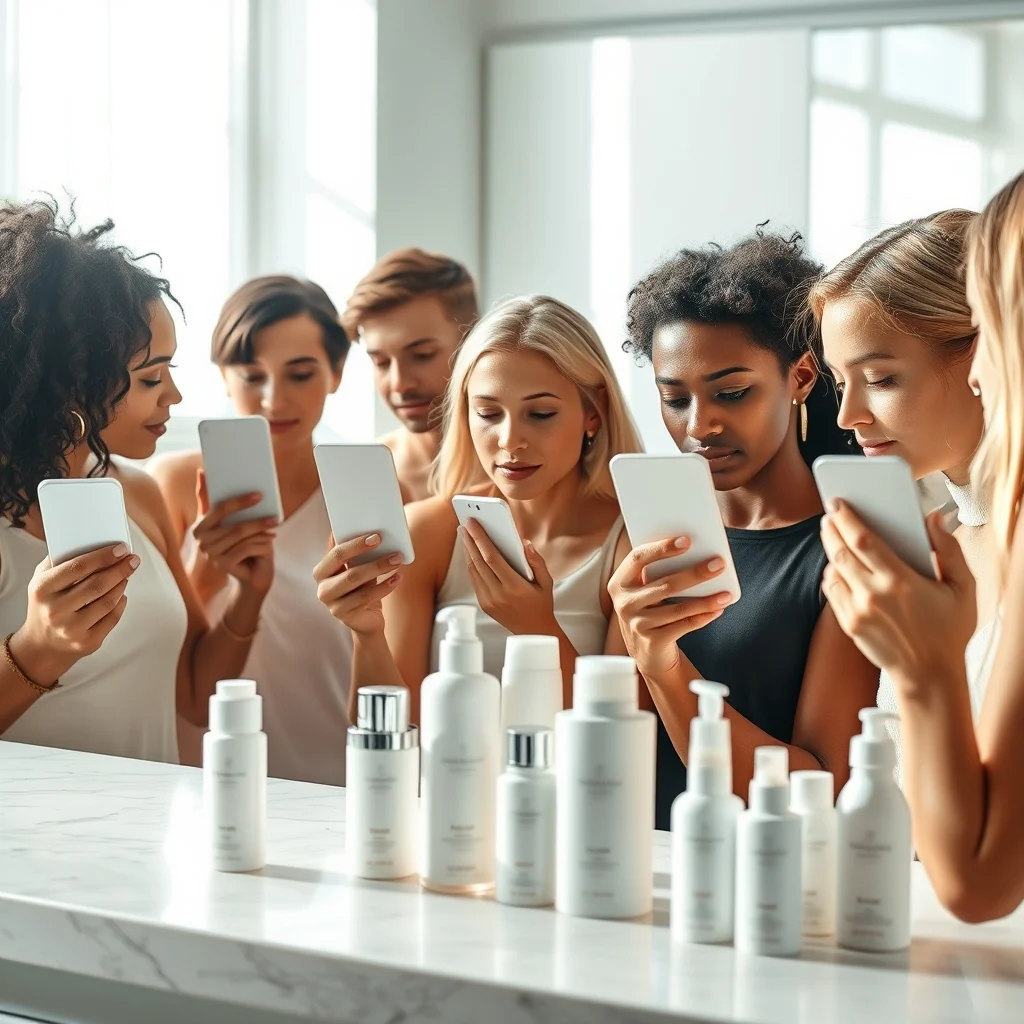
Navigating the world of skincare can feel overwhelming, especially when misinformation spreads faster than facts. Many people fall into the trap of believing **common skincare myths**, only to end up with irritation, breakouts, or wasted money on products that don’t work. The truth is, achieving healthier skin doesn’t require complicated routines or expensive treatments—just the right knowledge and consistency. This step-by-step guide will help you separate fact from fiction and build a skincare routine that actually delivers results.
Myth 1: You Don’t Need Sunscreen on Cloudy Days
One of the most persistent skincare myths is that sunscreen is only necessary when the sun is shining. UV rays penetrate clouds and can cause damage even on overcast days. Skipping sunscreen increases your risk of premature aging, hyperpigmentation, and even skin cancer. Make it a habit to apply a broad-spectrum SPF 30 or higher every morning, regardless of the weather.
If you’re worried about a white cast or greasy feel, opt for lightweight, non-comedogenic formulas. Many modern sunscreens blend seamlessly into the skin and can even double as a makeup primer. Remember, sunscreen is the most effective anti-aging product you can use—don’t skip it.
Myth 2: The More You Exfoliate, the Better Your Skin
Exfoliation is essential for removing dead skin cells and keeping pores clear, but overdoing it can lead to redness, sensitivity, and a damaged skin barrier. Many people believe that scrubbing daily will give them smoother skin, but this often backfires. Instead, limit exfoliation to 2-3 times a week, depending on your skin type.
Choose gentle exfoliants like lactic acid or mandelic acid for sensitive skin, while those with oily or acne-prone skin may benefit from salicylic acid. Always follow up with a hydrating serum or moisturizer to replenish your skin’s moisture barrier. Less is often more when it comes to exfoliation.
Myth 3: Natural Ingredients Are Always Safe for Your Skin
The idea that “natural” equals “safe” is one of the most misleading skincare myths. While ingredients like lemon juice, baking soda, or essential oils may sound harmless, they can cause irritation, burns, or allergic reactions. Even seemingly gentle ingredients like coconut oil can clog pores for some people.
Instead of relying on DIY remedies, look for well-formulated products with proven ingredients like hyaluronic acid, niacinamide, or ceramides. If you prefer natural options, research thoroughly and patch-test before applying anything new. Your skin will thank you for being cautious.
Myth 4: You Can Shrink Your Pores Permanently
Pore size is largely determined by genetics, and while you can’t shrink them permanently, you can minimize their appearance. Many products claim to “tighten” pores, but these effects are temporary. The key to reducing the look of enlarged pores is keeping them clean and unclogged.
Use a gentle cleanser, exfoliate regularly, and incorporate niacinamide or retinol into your routine. These ingredients help regulate oil production and improve skin texture. Avoid heavy, pore-clogging products, and always remove makeup before bed to prevent buildup.
Myth 5: Expensive Products Work Better Than Drugstore Options
Price doesn’t always equal quality when it comes to skincare. Many luxury brands charge a premium for fancy packaging or marketing, while drugstore products often contain the same active ingredients at a fraction of the cost. The key is to focus on the formulation, not the price tag.
Look for products with proven ingredients like vitamin C, retinol, or peptides. Brands like CeraVe, The Ordinary, and La Roche-Posay offer effective options without the hefty price. Always check reviews and ingredient lists to ensure you’re getting the best value for your money.
Myth 6: You Don’t Need Moisturizer If You Have Oily Skin
Oily skin still needs hydration, and skipping moisturizer can actually make oiliness worse. When your skin is dehydrated, it produces more oil to compensate, leading to clogged pores and breakouts. The solution is to use a lightweight, oil-free moisturizer that hydrates without feeling greasy.
Gel-based or water-based moisturizers work well for oily skin. Ingredients like hyaluronic acid and glycerin provide hydration without clogging pores. If you’re using acne treatments like benzoyl peroxide or salicylic acid, moisturizing is even more important to prevent dryness and irritation.
Building a skincare routine doesn’t have to be complicated. By debunking these **common skincare myths**, you can make smarter choices and achieve healthier skin without the guesswork. Start with the basics—cleanse, moisturize, and protect—and adjust as needed based on your skin’s unique needs. For more reliable skincare advice, check out resources from the American Academy of Dermatology. Your skin will thank you for it.
You may also like
-
Skincare Myths Debunked: What Most People Get Wrong About Peptides & Regenerative Actives
-
Skincare Myths Debunked: A Barrier-First, Skinimalism Approach
-
Common Skincare Myths Debunked: A Beginner’s Guide to Smarter Skin Care
-
Common Skincare Myths Debunked: Quick Tips for Busy People
-
Skincare Myths Debunked: What Most People Get Wrong About Skin Care Routines