
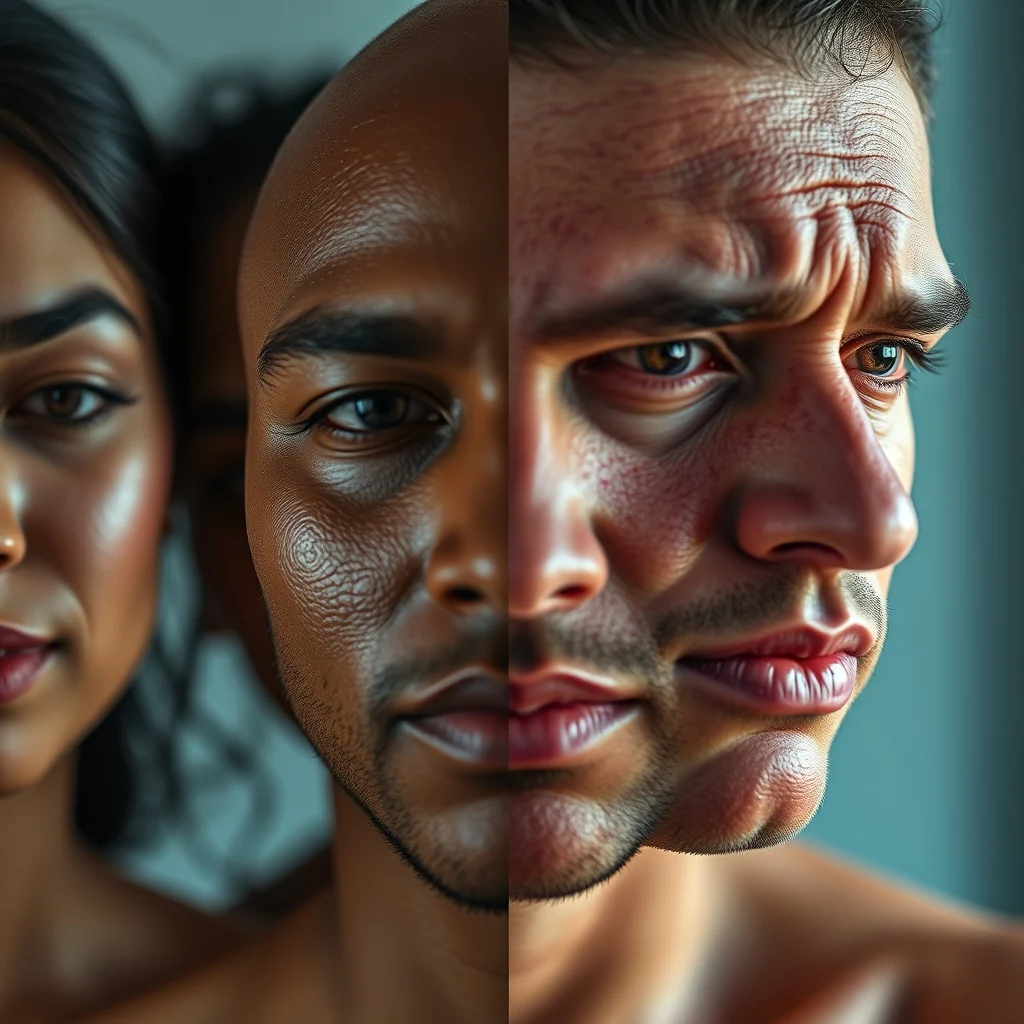
In a groundbreaking intersection of dermatology and psychology, recent studies reveal that emotional well-being directly influences skin health, with stress, anxiety, and depression exacerbating conditions such as acne, eczema, and premature aging. Researchers at the University of California, San Francisco (UCSF), published findings in JAMA Dermatology in March 2024, demonstrating that elevated cortisol levels—triggered by chronic stress—disrupt skin barrier function, accelerate collagen degradation, and impair wound healing. The field of psychodermatology, which examines the bidirectional relationship between the mind and skin, has gained traction globally, with clinics in London, Tokyo, and New York integrating mental health interventions into dermatological treatment plans.
The Science Behind the Brain-Skin Connection
The skin and brain share a common embryonic origin, both developing from the ectoderm during fetal growth, which establishes a lifelong physiological link. Neurotransmitters such as substance P and calcitonin gene-related peptide (CGRP), released during emotional distress, bind to receptors in skin cells, triggering inflammation and immune responses. A 2023 study conducted by the National Institute of Health (NIH) confirmed that individuals with generalized anxiety disorder exhibited a 45% higher incidence of inflammatory skin conditions compared to control groups.
Dr. Ted Grossbart, a Harvard Medical School psychologist and pioneer in psychodermatology, stated, “The skin is not just a passive recipient of psychological signals; it is an active participant in the body’s stress response. When the brain perceives threat, the skin reacts as if under physical attack, leading to flare-ups of psoriasis, rosacea, and even vitiligo.” This phenomenon, known as the neuro-immuno-cutaneous-endocrine (NICE) network, underscores the skin’s role as both a target and a mediator of psychological stress.
Cortisol: The Hormone That Sabotages Skin Integrity
Cortisol, often referred to as the “stress hormone,” is secreted by the adrenal glands in response to psychological or physical stressors. While essential for short-term survival, chronic cortisol elevation has detrimental effects on skin health. A 2022 meta-analysis published in Dermatologic Therapy found that prolonged cortisol exposure reduced hyaluronic acid production by 30%, leading to dehydration, fine lines, and loss of elasticity. Additionally, cortisol stimulates sebaceous glands, increasing sebum production and clogging pores, which contributes to acne vulgaris.
In a clinical trial at the Mayo Clinic in Rochester, Minnesota, patients with treatment-resistant acne underwent an eight-week stress-reduction program combining cognitive behavioral therapy (CBT) and mindfulness meditation. By the study’s conclusion in November 2023, participants demonstrated a 52% reduction in lesion count, with salivary cortisol levels decreasing by an average of 28%. These results highlight the potential of psychological interventions as adjunct therapies in dermatological care.
Emotional Triggers and Chronic Skin Conditions
Eczema, or atopic dermatitis, affects over 31 million Americans, with emotional stress identified as a primary trigger for flare-ups. A longitudinal study conducted by the University of Manchester from 2018 to 2023 tracked 1,200 eczema patients and found that 78% experienced symptom exacerbation during periods of heightened stress, such as job loss or bereavement. The study also noted that patients who engaged in regular meditation reported a 40% reduction in itch intensity and a 35% improvement in sleep quality, which is critical for skin regeneration.
Dr. Richard Fried, a dermatologist and clinical psychologist at Yardley Dermatology Associates in Pennsylvania, explained, “Eczema is not just a skin disease; it is a systemic condition influenced by the nervous system. When patients learn to regulate their emotional responses, they often see dramatic improvements in their skin.” Fried’s observations align with data from the International Society of Psychodermatology, which reports that 30% of dermatological patients have an underlying psychiatric disorder, most commonly anxiety or depression.
Mindful Skincare: Integrating Psychological Strategies into Dermatological Care
The concept of “mindful skincare” has emerged as a holistic approach to dermatological treatment, emphasizing the role of emotional regulation in maintaining skin health. Techniques such as biofeedback, hypnotherapy, and guided imagery have shown promise in managing conditions like psoriasis and chronic urticaria. A 2021 study published in Psychosomatic Medicine found that patients who practiced daily mindfulness meditation for 12 weeks experienced a 60% reduction in psoriasis severity, attributed to decreased pro-inflammatory cytokine levels.
Sleep, a critical component of both mental and skin health, has been identified as a key factor in skin regeneration. Research from the University of Sheffield in 2023 demonstrated that individuals who slept fewer than six hours per night exhibited a 30% slower wound healing rate and a 25% increase in transepidermal water loss, leading to dryness and irritation. The study also linked poor sleep quality to elevated cortisol levels, creating a vicious cycle of stress and skin deterioration.
Psychodermatology in Clinical Practice
Leading dermatological clinics worldwide are adopting psychodermatology protocols to address the root causes of skin conditions. The Skin and Mind Clinic in Sydney, Australia, offers a multidisciplinary approach combining dermatology, psychiatry, and nutrition to treat patients with stress-related skin disorders. Since its inception in 2020, the clinic has reported a 50% reduction in patient reliance on topical steroids and a 40% improvement in overall skin health outcomes.
In Japan, the concept of “ikigai”—a sense of purpose and emotional fulfillment—has been integrated into skincare routines to promote both mental and dermatological well-being. A 2023 survey by the Japanese Dermatological Association found that individuals who reported high levels of life satisfaction had a 20% lower incidence of acne and a 15% reduction in wrinkle formation compared to those with low life satisfaction scores. These findings suggest that emotional resilience may confer protective benefits against skin aging.
As the field of psychodermatology continues to evolve, the integration of mental health strategies into dermatological care is becoming increasingly standardized. The American Academy of Dermatology (AAD) now recommends that dermatologists screen patients for anxiety and depression, particularly those with chronic or treatment-resistant conditions. With growing evidence supporting the mind-skin connection, the future of skincare may lie not only in topical treatments but also in nurturing emotional well-being as a foundation for radiant, healthy skin.
You may also like
-
SEO for Skincare Websites: Building Trust in the Age of AI Search
-
The Science of Psychosomatic Skin Health: How Stress, Emotions, and Hormones Reshape Dermatological Conditions in Real Time
-
Glowlab Science’s 2025 Dermatological Frontiers: How Independent Clinical Trials and Biotech Are Redefining Skincare Efficacy, Safety, and Transparency in Active Formulations
-
The Role of Natural Antiseptics and Hydration in Modern Body Hygiene: Evidence-Based Practices for Skin Health and Odor Control in 2024
-
Glowlab Science’s 2025 Clinical Research: Independent Trials Reveal Comparative Efficacy in Next-Gen Biotech Skincare and Transparent Active Ingredient Analysis for Dermatological Advancements