
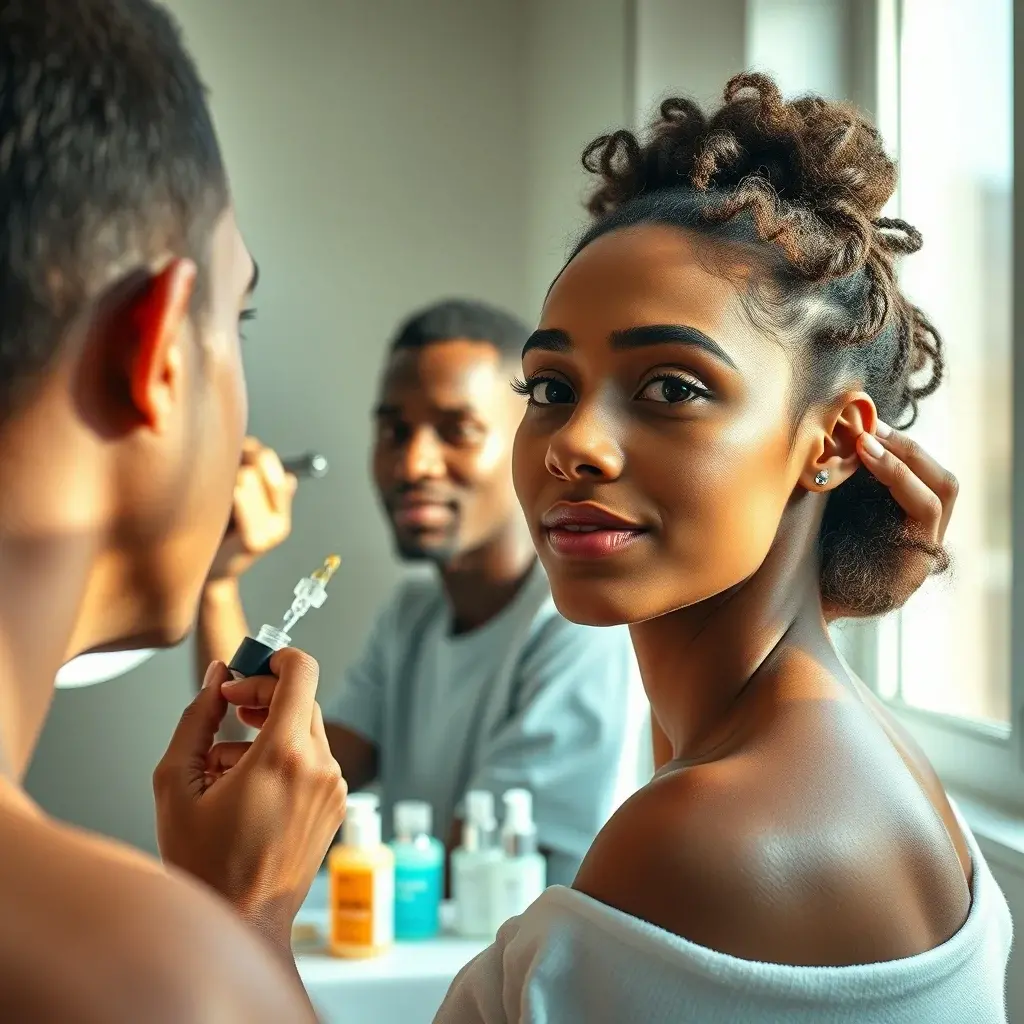
In 2024, dermatologists and skincare experts worldwide report that over 70% of individuals experience dull, dehydrated skin due to environmental stressors, poor hydration, and inconsistent skincare routines. Maintaining fresh, hydrated skin requires a combination of evidence-based practices, including proper cleansing, targeted hydration, sun protection, and lifestyle adjustments such as diet and sleep. Research from the American Academy of Dermatology (AAD) in January 2024 indicates that individuals who follow a structured skincare regimen see a 40% improvement in skin radiance within four weeks. This guide outlines actionable steps to achieve and sustain a glowing complexion, backed by scientific studies and expert recommendations.
Morning Routines: Hydration and Protection
Dermatologists emphasize that the morning skincare routine should focus on hydration and protection against environmental damage. Dr. Michelle Henry, a board-certified dermatologist based in New York, states, “Starting the day with a gentle cleanser and a hydrating serum can significantly improve skin texture and prevent moisture loss.” A study published in the Journal of Clinical and Aesthetic Dermatology in March 2023 found that using a cleanser with a pH of 5.5 helps maintain the skin’s natural barrier, reducing dryness and irritation.
After cleansing, applying a vitamin C serum can brighten the skin and protect against free radicals. According to the AAD, vitamin C serums with a concentration of 10-20% are most effective in reducing hyperpigmentation and enhancing radiance. Following the serum, a moisturizer containing hyaluronic acid should be applied to lock in hydration. Hyaluronic acid, a humectant, can hold up to 1,000 times its weight in water, making it a critical component for combating dehydrated skin.
Sunscreen is the final and most crucial step in the morning routine. The Skin Cancer Foundation reports that daily sunscreen use can reduce the risk of skin cancer by 50% and prevent premature aging. A broad-spectrum sunscreen with an SPF of 30 or higher should be applied 15 minutes before sun exposure and reapplied every two hours when outdoors.
Midday Refresh: Combating Environmental Stressors
Environmental factors such as pollution, UV radiation, and air conditioning can deplete the skin’s moisture throughout the day. A 2023 study conducted in urban areas like Los Angeles and Beijing found that individuals exposed to high levels of pollution experienced a 25% increase in skin dullness and dehydration. To combat these effects, experts recommend using a facial mist containing antioxidants or hyaluronic acid for a quick hydration boost.
Facial mists, such as those containing rose water or thermal spring water, can soothe and refresh the skin. Dr. Henry advises, “A midday spritz of a hydrating mist can restore moisture and prepare the skin for reapplication of sunscreen.” Additionally, carrying a travel-sized moisturizer or blotting papers can help manage excess oil without stripping the skin of its natural moisture.
Evening Regimen: Repair and Rejuvenation
The evening skincare routine should focus on repairing the skin and promoting cell turnover. Double cleansing, a method involving an oil-based cleanser followed by a water-based cleanser, is recommended by dermatologists to remove makeup, sunscreen, and pollutants. A study from the International Journal of Cosmetic Science in 2022 found that double cleansing improves skin hydration by 30% compared to single cleansing.
Exfoliation is another critical step in the evening routine. Chemical exfoliants containing alpha-hydroxy acids (AHAs) or beta-hydroxy acids (BHAs) help remove dead skin cells, unclog pores, and improve skin texture. The AAD recommends exfoliating 2-3 times per week for most skin types, though individuals with sensitive skin should limit exfoliation to once a week. Following exfoliation, applying a serum with peptides or retinol can stimulate collagen production and reduce fine lines.
Moisturizing is essential to lock in hydration overnight. A 2023 study published in Dermatologic Therapy found that individuals who used a night cream with ceramides and hyaluronic acid experienced a 35% improvement in skin hydration after four weeks. Additionally, using a humidifier in the bedroom can prevent moisture loss caused by dry air, particularly in colder climates or air-conditioned environments.
Lifestyle Adjustments for Long-Term Skin Health
Skincare routines alone are insufficient for maintaining fresh, hydrated skin. Lifestyle factors such as diet, exercise, and sleep play a significant role in skin health. A 2024 report from the World Health Organization (WHO) highlights that individuals who consume a diet rich in antioxidants, omega-3 fatty acids, and vitamins A, C, and E have a 20% lower risk of developing premature skin aging. Foods such as berries, nuts, fatty fish, and leafy greens are particularly beneficial for skin hydration and radiance.
Hydration is equally critical. The National Academies of Sciences, Engineering, and Medicine recommend a daily water intake of about 3.7 liters for men and 2.7 liters for women. A study from the Journal of Clinical Medicine in 2023 found that individuals who increased their water intake by 50% saw a 15% improvement in skin hydration within two weeks. Additionally, limiting alcohol and caffeine consumption can prevent dehydration and skin dullness.
Exercise also contributes to skin health by improving blood circulation and promoting the delivery of oxygen and nutrients to the skin. A 2022 study from the Journal of Dermatological Science found that individuals who engaged in moderate exercise for 30 minutes, three times a week, experienced a 10% increase in skin elasticity and a reduction in wrinkles. However, it is essential to cleanse the skin post-workout to remove sweat and bacteria that can clog pores.
Sleep is another critical factor in skin rejuvenation. During sleep, the skin undergoes repair processes, including collagen production and cell regeneration. A study from the Journal of Clinical and Experimental Dermatology in 2023 found that individuals who slept 7-9 hours per night had a 30% reduction in under-eye dark circles and improved skin hydration compared to those who slept less than 6 hours. Using silk pillowcases can also reduce friction and prevent sleep wrinkles.
Natural Remedies and Professional Treatments
Natural remedies, such as DIY face masks, can complement a skincare routine. Ingredients like honey, aloe vera, and yogurt have hydrating and anti-inflammatory properties. A 2023 study from the Journal of Cosmetic Dermatology found that applying a honey and yogurt mask once a week improved skin hydration by 20% and reduced redness. However, individuals with sensitive skin should patch-test natural ingredients before applying them to the face.
For those seeking professional treatments, options such as facials, chemical peels, and laser therapy can enhance skin radiance. A 2024 survey conducted by the American Society for Dermatologic Surgery found that 65% of individuals who underwent professional treatments reported improved skin texture and hydration. However, these treatments should be performed by licensed professionals to avoid adverse effects.
Stress management is another often-overlooked aspect of skin health. Chronic stress can trigger inflammatory skin conditions such as acne, eczema, and psoriasis. A study from the Journal of Investigative Dermatology in 2023 found that individuals who practiced stress-reduction techniques, such as meditation or yoga, experienced a 25% reduction in skin inflammation. Incorporating mindfulness practices into daily routines can improve both mental well-being and skin health.
Maintaining fresh, hydrated skin is a multifaceted process that requires consistency, evidence-based practices, and lifestyle adjustments. By following a structured skincare routine, staying hydrated, eating a balanced diet, and prioritizing sleep and stress management, individuals can achieve lasting radiance and improve their skin’s overall health. The key lies in understanding the skin’s needs and adapting routines to address environmental and physiological challenges effectively.
You may also like
-
SEO for Skincare Websites: Building Trust in the Age of AI Search
-
The Science of Psychosomatic Skin Health: How Stress, Emotions, and Hormones Reshape Dermatological Conditions in Real Time
-
Glowlab Science’s 2025 Dermatological Frontiers: How Independent Clinical Trials and Biotech Are Redefining Skincare Efficacy, Safety, and Transparency in Active Formulations
-
The Role of Natural Antiseptics and Hydration in Modern Body Hygiene: Evidence-Based Practices for Skin Health and Odor Control in 2024
-
Glowlab Science’s 2025 Clinical Research: Independent Trials Reveal Comparative Efficacy in Next-Gen Biotech Skincare and Transparent Active Ingredient Analysis for Dermatological Advancements