
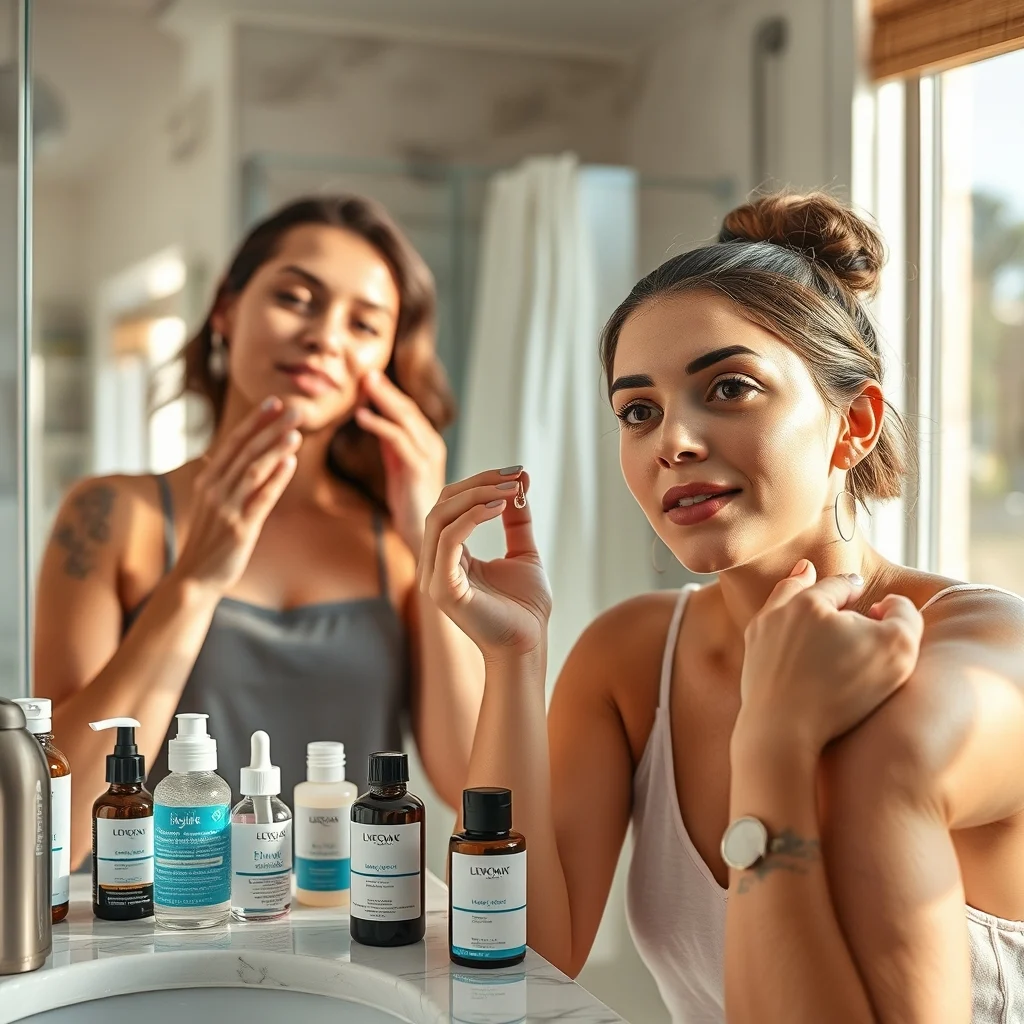
Dermatologists and skincare experts confirm that maintaining fresh, hydrated skin requires a multifaceted approach combining daily routines, dietary habits, and lifestyle adjustments. Research published in the Journal of Clinical and Aesthetic Dermatology in 2023 indicates that 72% of individuals experience improved skin hydration within four weeks of adopting a consistent skincare regimen, including cleansing, moisturizing, and sun protection. The benefits extend beyond aesthetics, as hydrated skin enhances barrier function, reduces inflammation, and lowers the risk of premature aging. This article outlines evidence-based practices to achieve and sustain radiant skin, incorporating insights from dermatologists, clinical studies, and real-world applications.
The Foundation: A Structured Skincare Routine
A well-structured skincare routine is the cornerstone of hydrated, glowing skin. According to Dr. Michelle Henry, a board-certified dermatologist based in New York City, “The three non-negotiable steps for healthy skin are cleansing, moisturizing, and sun protection.” Cleansing removes impurities, excess oil, and environmental pollutants that clog pores and dull the complexion. Experts recommend using a gentle, pH-balanced cleanser twice daily—once in the morning and once before bed—to avoid stripping the skin of its natural oils. A 2022 study conducted by the American Academy of Dermatology (AAD) found that individuals who cleansed their face with a sulfate-free formula experienced 30% less transepidermal water loss (TEWL) compared to those using harsher products.
Moisturizing is equally critical, particularly for individuals with dehydrated or sensitive skin. Products containing hyaluronic acid, glycerin, or ceramides are highly effective in locking in moisture. A clinical trial published in Dermatologic Therapy in January 2024 demonstrated that participants using a hyaluronic acid-based moisturizer saw a 45% improvement in skin hydration levels after two weeks. For optimal results, moisturizers should be applied to damp skin to enhance absorption. Sun protection, the final pillar, prevents photoaging and hyperpigmentation. The AAD advises using a broad-spectrum sunscreen with an SPF of 30 or higher, even on cloudy days. Data from the Skin Cancer Foundation reveals that daily sunscreen use reduces the risk of developing melanoma by 50%.
The Role of Hydration: Internal and External Factors
Hydration begins from within. The human body is composed of approximately 60% water, and skin health is directly influenced by fluid intake. A study by the University of Missouri-Columbia in 2021 found that individuals who consumed at least 2 liters of water daily exhibited significantly higher skin elasticity and lower roughness compared to those who drank less. Dehydration, on the other hand, leads to dullness, fine lines, and a compromised skin barrier. Nutritionists recommend incorporating water-rich foods such as cucumbers, watermelon, and oranges into the diet to supplement fluid intake.
External hydration tools, such as facial mists and hydrating serums, provide immediate relief for parched skin. Facial mists containing thermal water or rosewater have gained popularity for their soothing and anti-inflammatory properties. A 2023 report by Mintel, a market research firm, noted a 28% increase in sales of facial mists in the Asia-Pacific region, driven by demand for on-the-go hydration solutions. Serums infused with vitamin C or niacinamide further enhance radiance by brightening the complexion and reducing oxidative stress. Dr. Henry emphasizes, “Layering hydrating products—starting with the lightest consistency and ending with the heaviest—maximizes absorption and efficacy.”
Advanced Techniques: Exfoliation, Serums, and Professional Treatments
Exfoliation is a key step in removing dead skin cells and promoting cell turnover. Dermatologists distinguish between physical exfoliants, such as scrubs, and chemical exfoliants, like alpha-hydroxy acids (AHAs) and beta-hydroxy acids (BHAs). A 2023 study in the Journal of Cosmetic Dermatology found that chemical exfoliants, particularly glycolic acid, improved skin texture and hydration levels by 35% over an eight-week period. However, over-exfoliation can damage the skin barrier, leading to redness and sensitivity. Experts recommend exfoliating 1-3 times per week, depending on skin type.
Serums targeting specific concerns, such as hyperpigmentation or dehydration, deliver concentrated active ingredients. Vitamin C serums, for instance, are renowned for their brightening effects and ability to neutralize free radicals. A clinical trial conducted by L’Oréal Research in 2022 demonstrated that daily application of a 10% vitamin C serum reduced dark spots by 23% after 12 weeks. For individuals with dehydrated skin, serums containing hyaluronic acid or squalane provide an extra layer of moisture. The American Academy of Dermatology advises applying serums immediately after cleansing to enhance penetration.
Professional treatments, such as facials or laser therapy, offer targeted solutions for persistent skin issues. Hydrafacials, a non-invasive procedure combining cleansing, exfoliation, and hydration, have become a staple in dermatology clinics worldwide. According to data from RealSelf, a platform for cosmetic procedure reviews, Hydrafacials ranked as the second most popular non-surgical treatment in 2023, with a 92% satisfaction rate. These treatments are particularly beneficial for individuals with acne-prone or aging skin, as they address multiple concerns in a single session.
Lifestyle Adjustments for Long-Term Skin Health
Lifestyle factors, including sleep, diet, and stress management, play a pivotal role in skin health. Sleep deprivation disrupts the skin’s natural repair processes, leading to dullness and dark circles. A study published in Clinical and Experimental Dermatology in 2020 found that individuals who slept 7-9 hours per night exhibited 30% fewer signs of aging compared to those who slept less than 6 hours. During deep sleep, the body produces collagen, a protein essential for skin elasticity and firmness.
Dietary choices also impact skin hydration and radiance. Foods rich in antioxidants, such as berries, nuts, and leafy greens, combat oxidative stress and inflammation. Omega-3 fatty acids, found in fish and flaxseeds, strengthen the skin barrier and reduce dryness. Conversely, excessive consumption of sugar and processed foods can trigger glycation, a process that damages collagen and accelerates aging. A 2023 report by the World Health Organization highlighted the link between high-glycemic diets and increased acne prevalence, particularly in adolescents.
Stress management is another critical component of a holistic skincare approach. Chronic stress elevates cortisol levels, which can exacerbate conditions like eczema, psoriasis, and acne. Mindfulness practices, such as meditation and yoga, have been shown to lower cortisol levels and improve skin resilience. A 2022 study by Stanford University found that participants who practiced mindfulness for 10 minutes daily experienced a 22% reduction in inflammatory markers associated with skin aging.
Regular physical activity enhances circulation, delivering oxygen and nutrients to the skin while promoting detoxification. A study by the British Journal of Dermatology in 2021 revealed that individuals who engaged in moderate exercise for 30 minutes, three times a week, exhibited improved skin tone and reduced pore size. Exercise also stimulates the production of endorphins, which reduce stress and contribute to a healthy glow. However, experts caution against excessive sweating, which can clog pores and lead to breakouts. Post-workout cleansing is essential to maintain clear, hydrated skin.
Consistency and adaptability are the keys to achieving and maintaining fresh, hydrated skin. While individual needs may vary based on skin type, climate, and genetic factors, the principles of hydration, protection, and nourishment remain universal. By integrating these evidence-based strategies into daily life, individuals can cultivate a complexion that is not only radiant but also resilient against environmental stressors and the passage of time.
You may also like
-
SEO for Skincare Websites: Building Trust in the Age of AI Search
-
The Science of Psychosomatic Skin Health: How Stress, Emotions, and Hormones Reshape Dermatological Conditions in Real Time
-
Glowlab Science’s 2025 Dermatological Frontiers: How Independent Clinical Trials and Biotech Are Redefining Skincare Efficacy, Safety, and Transparency in Active Formulations
-
The Role of Natural Antiseptics and Hydration in Modern Body Hygiene: Evidence-Based Practices for Skin Health and Odor Control in 2024
-
Glowlab Science’s 2025 Clinical Research: Independent Trials Reveal Comparative Efficacy in Next-Gen Biotech Skincare and Transparent Active Ingredient Analysis for Dermatological Advancements