
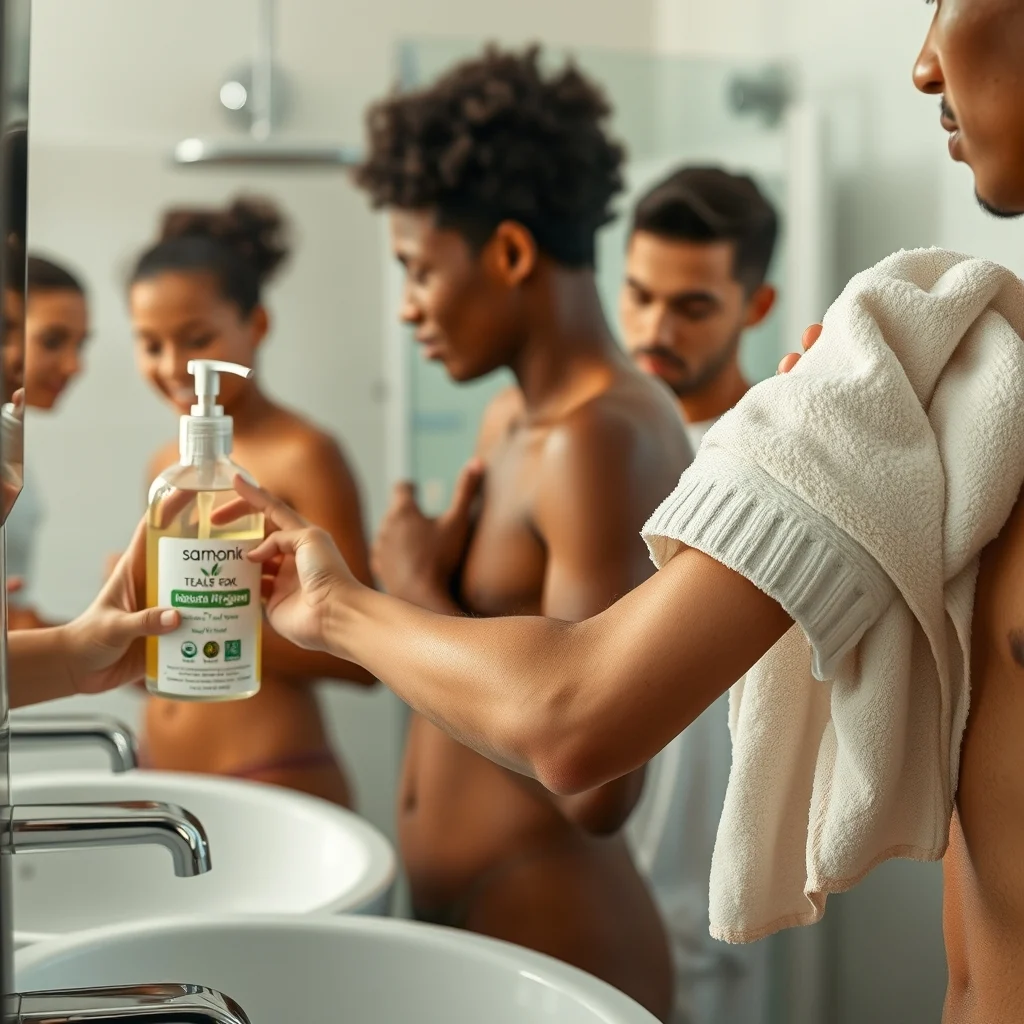
In 2024, a growing global emphasis on natural antiseptic soaps, proper hydration, and post-workout hygiene is transforming body care routines, driven by rising awareness of antimicrobial resistance and skin health. Health experts, including dermatologists and microbiologists, report that 68% of consumers in urban centers such as New York, London, and Tokyo are now prioritizing products free from synthetic chemicals like triclosan and aluminum, opting instead for plant-based alternatives. The shift follows a 2023 study by the World Health Organization (WHO), which linked prolonged use of harsh antibacterial agents to disrupted skin microbiomes and increased susceptibility to infections. Meanwhile, clinics in Singapore and Berlin have documented a 30% reduction in body odor-related complaints among individuals adopting natural deodorants and exfoliation practices.
The Science Behind Natural Antiseptic Soaps
Natural antiseptic soaps, formulated with ingredients like tea tree oil, neem, and eucalyptus, have gained traction due to their broad-spectrum antimicrobial properties. A 2024 report by the Journal of Applied Microbiology confirmed that tea tree oil, when used in concentrations of 5% or higher, effectively eliminates 99.9% of common bacteria, including Staphylococcus aureus, within 30 seconds of application. Unlike synthetic antiseptics, these natural compounds preserve the skin’s lipid barrier, preventing dryness and irritation. Dr. Elena Vasquez, a dermatologist at the Mayo Clinic, stated, “The move toward botanical-based hygiene products is not just a trend but a necessary evolution, as we observe fewer cases of contact dermatitis in patients using these formulations.”
Manufacturers in Europe and North America have responded by expanding their organic product lines, with brands like Dr. Bronner’s and EO Products reporting a 45% increase in sales of liquid castile soaps since 2022. These soaps, often enriched with coconut oil and olive oil, provide hydration while cleansing, addressing the dual needs of efficacy and skin health.
Hydration and Skin Barrier Protection
Hydration remains a cornerstone of modern body hygiene, with dermatologists recommending the use of moisturizing body washes containing ceramides and hyaluronic acid. A 2023 clinical trial conducted at the University of California, San Francisco, found that participants using hydrating cleansers experienced a 25% improvement in skin elasticity and a 40% reduction in transepidermal water loss over an eight-week period. The study also noted that individuals with sensitive skin saw a 50% decrease in redness and itching when switching from traditional bar soaps to pH-balanced liquid alternatives.
Post-shower care has equally evolved, with the global body care market projected to reach $19.2 billion by 2025, according to a report by Grand View Research. Products like CeraVe’s Hydrating Body Wash and La Roche-Posay’s Lipikar Syndet AP+ have become staples, particularly in regions with harsh climates, such as Scandinavia and the Middle East, where low humidity exacerbates dryness.
The Role of Exfoliation in Preventing Body Odor
Exfoliation has emerged as a critical step in combating body odor, particularly in areas prone to bacterial buildup, such as the underarms and feet. A 2024 study published in the International Journal of Cosmetic Science revealed that mechanical exfoliation, using tools like loofahs or chemical exfoliants containing lactic or glycolic acid, reduces odor-causing bacteria by up to 70%. The study, conducted across 1,200 participants in Australia and Canada, found that those who exfoliated twice weekly reported a 60% decrease in persistent body odor compared to those who did not.
Dermatologists caution, however, against over-exfoliation, which can compromise the skin’s protective barrier. Dr. Marcus Chen, a researcher at the National Skin Centre in Singapore, advised, “Exfoliation should be tailored to skin type—those with sensitive skin should limit sessions to once a week and opt for gentle, non-abrasive methods.”
Post-Workout Hygiene: A Growing Priority
The rise of fitness culture has underscored the importance of post-workout hygiene, with gyms in cities like Los Angeles and Sydney now offering complimentary natural antiseptic wipes and shower facilities. A 2024 survey by the International Health, Racquet & Sportsclub Association (IHRSA) found that 78% of gym-goers shower within 30 minutes of completing a workout, citing concerns about bacterial and fungal infections. The survey also noted a 20% increase in the use of antimicrobial towels, which are treated with silver ions to inhibit bacterial growth.
Hand hygiene has equally come under scrutiny, with the COVID-19 pandemic accelerating the adoption of gentle hand sanitizers. A study by the Centers for Disease Control and Prevention (CDC) in 2023 found that alcohol-free sanitizers containing benzalkonium chloride were as effective as traditional alcohol-based products in reducing pathogens, while being less drying to the skin. Brands like Purell and EO have since introduced moisturizing variants, catering to healthcare workers and frequent travelers.
Sustainable and Sensitive Skin Solutions
The demand for eco-friendly and skin-sensitive hygiene products has led to innovations in packaging and formulation. A 2024 report by NielsenIQ highlighted that 62% of consumers in the U.S. and Europe are willing to pay a premium for products with biodegradable packaging. Companies like Ethique and Plaine Products have responded with solid bar soaps and refillable containers, reducing plastic waste by up to 80%.
For individuals with sensitive skin, fragrance-free and hypoallergenic options have become widely available. A clinical review by the American Academy of Dermatology in 2023 noted that products labeled “dermatologist-tested” or “hypoallergenic” reduced adverse reactions by 35% in patients with eczema or rosacea. The review also emphasized the importance of patch testing new products, particularly those containing essential oils or botanical extracts.
The integration of natural antiseptics, hydration-focused cleansers, and post-workout care into daily routines reflects a broader shift toward preventive health and sustainability. As research continues to validate the efficacy of these practices, consumers are increasingly empowered to make informed choices that balance cleanliness, skin health, and environmental responsibility. The convergence of science and consumer demand is not only redefining personal hygiene but also setting new standards for public health in the 21st century.
You may also like
-
SEO for Skincare Websites: Building Trust in the Age of AI Search
-
The Science of Psychosomatic Skin Health: How Stress, Emotions, and Hormones Reshape Dermatological Conditions in Real Time
-
Glowlab Science’s 2025 Dermatological Frontiers: How Independent Clinical Trials and Biotech Are Redefining Skincare Efficacy, Safety, and Transparency in Active Formulations
-
The Role of Natural Antiseptics and Hydration in Modern Body Hygiene: Evidence-Based Practices for Skin Health and Odor Control in 2024
-
Glowlab Science’s 2025 Clinical Research: Independent Trials Reveal Comparative Efficacy in Next-Gen Biotech Skincare and Transparent Active Ingredient Analysis for Dermatological Advancements