
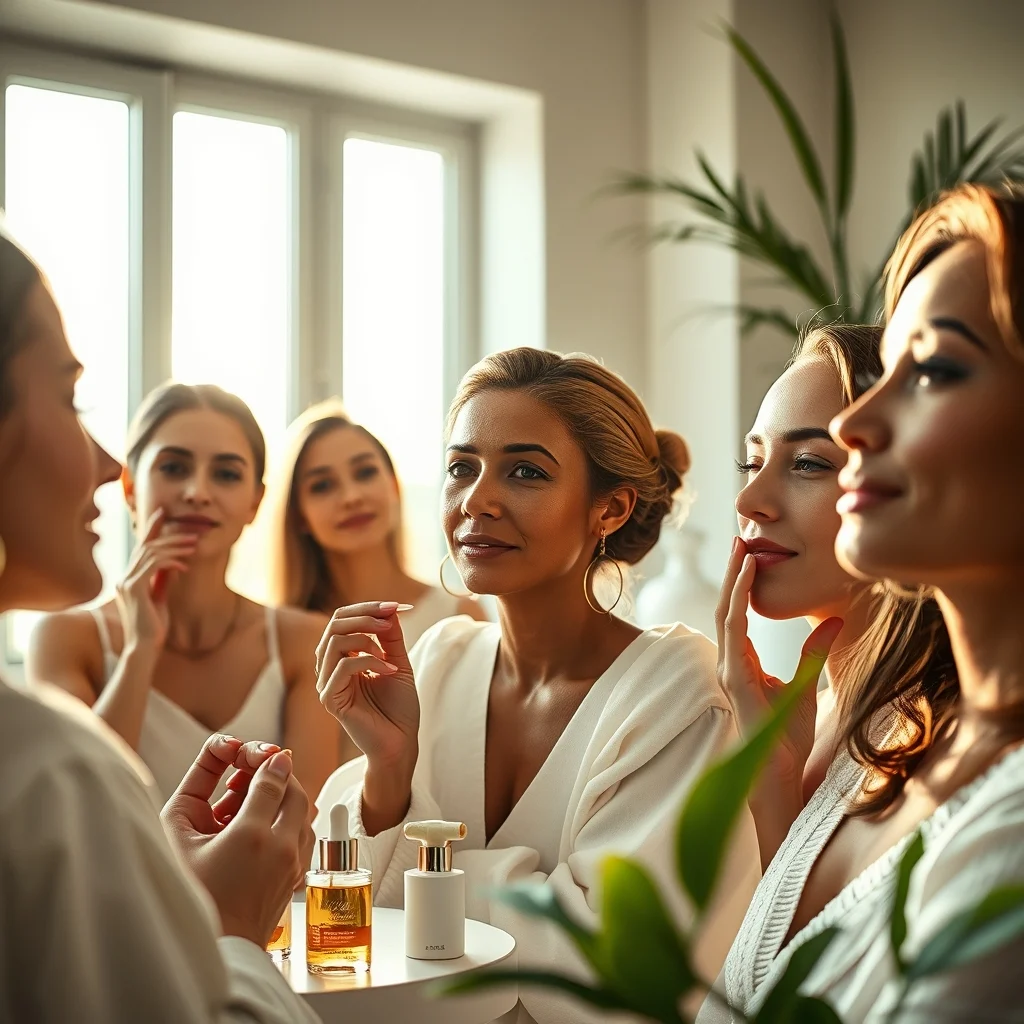
Imagine waking up to skin so luminous, people ask if you’ve discovered the fountain of youth. The truth? Radiant skin isn’t reserved for celebrities or those with endless budgets—it’s within reach for anyone willing to unlock the secrets of a smart beauty and skincare routine. But here’s the catch: most people are missing a few critical steps that could make all the difference.
The Foundation of Flawless Skin: Understanding Your Skin’s Needs
Your skin is as unique as your fingerprint, and what works for your best friend might not work for you. The first step to a transformative skincare routine is identifying your skin type—whether it’s oily, dry, combination, sensitive, or mature. Each type demands a tailored approach to cleanse, nourish, and protect effectively.
For instance, oily skin thrives with lightweight, non-comedogenic products that balance sebum production without stripping moisture. On the other hand, dry skin craves rich, hydrating ingredients like hyaluronic acid and ceramides to restore its natural barrier. If you’re unsure where to start, a quick consultation with a dermatologist or esthetician can provide clarity.
Why One-Size-Fits-All Skincare Fails
Generic beauty routines often fall short because they ignore the nuances of individual skin concerns. A product labeled “for all skin types” might not address specific issues like hyperpigmentation, acne scars, or fine lines. Instead, look for targeted treatments that focus on your primary concerns while supporting overall skin health.
For example, vitamin C serums are a powerhouse for brightening dull skin and fading dark spots, while retinol is a gold standard for anti-aging. Layering these products strategically can amplify their benefits, but it’s essential to introduce them gradually to avoid irritation.
The Core Steps of an Effective Beauty & Skincare Routine
No matter your skin type, a solid routine should include these non-negotiable steps: cleansing, toning, treating, moisturizing, and protecting. Skipping any of these can compromise your skin’s health and appearance over time.
Cleansing: The First Step to a Fresh Canvas
A gentle yet effective cleanser sets the stage for the rest of your routine. Harsh soaps or over-cleansing can disrupt your skin’s pH balance, leading to dryness or excess oil production. Opt for a sulfate-free formula that removes impurities without leaving your skin feeling tight or squeaky clean.
Double cleansing—using an oil-based cleanser followed by a water-based one—is a game-changer for those who wear makeup or sunscreen daily. This method ensures all traces of product are removed, allowing your skin to absorb subsequent treatments more effectively.
Toning: More Than Just a Refresh
Toners have evolved from alcohol-laden astringents to hydrating, pH-balancing essences that prep your skin for better absorption of serums and moisturizers. Modern toners often contain soothing ingredients like aloe vera, chamomile, or green tea, making them suitable even for sensitive skin.
If you’ve been skipping this step, consider incorporating a toner into your routine. Apply it with your hands or a cotton pad after cleansing, and watch how your skin drinks up the hydration.
Treating: Targeted Solutions for Specific Concerns
This is where the magic happens. Serums and treatments packed with active ingredients like niacinamide, peptides, or exfoliating acids can address everything from acne to wrinkles. The key is to choose products that align with your skin’s current needs and introduce them one at a time.
For example, if hydration is your priority, a hyaluronic acid serum can plump and smooth your skin. If you’re battling breakouts, a salicylic acid treatment can unclog pores and reduce inflammation. Remember, consistency is crucial—results take time, so stick with your chosen treatments for at least four to six weeks.
Moisturizing: Locking in Hydration
Even oily skin needs moisture. A well-formulated moisturizer strengthens your skin’s barrier, preventing water loss and keeping it soft and supple. Look for ingredients like glycerin, squalane, or shea butter, which provide hydration without clogging pores.
For daytime, a lightweight, fast-absorbing moisturizer works best, while nighttime calls for richer creams that support your skin’s natural repair process. Don’t forget your neck and décolletage—these areas often show signs of aging first and deserve the same care as your face.
Protecting: The Non-Negotiable Step
Sunscreen is the most powerful anti-aging product in your arsenal. UV rays are responsible for up to 80% of visible aging, including wrinkles, sunspots, and loss of elasticity. Yet, many people skip this step, especially on cloudy days or when indoors.
Choose a broad-spectrum sunscreen with at least SPF 30 and apply it every morning, even if you’re not spending time outside. Mineral sunscreens with zinc oxide or titanium dioxide are ideal for sensitive skin, while chemical sunscreens offer a lightweight, invisible finish for daily wear.
Beyond the Basics: Elevating Your Beauty & Skincare Game
Once you’ve mastered the core steps, it’s time to explore advanced techniques and tools that can take your routine to the next level. These additions aren’t necessary for everyone, but they can provide noticeable benefits for those willing to invest a little extra time and effort.
The Power of Exfoliation
Exfoliation removes dead skin cells, revealing a brighter, smoother complexion. However, over-exfoliating can damage your skin’s barrier, leading to irritation and sensitivity. Limit physical exfoliants (like scrubs) to once or twice a week, and opt for chemical exfoliants (like AHAs or BHAs) for gentler, more consistent results.
AHAs, such as glycolic or lactic acid, are water-soluble and work on the skin’s surface to improve texture and tone. BHAs, like salicylic acid, are oil-soluble and penetrate deeper into pores, making them ideal for acne-prone skin.
Facial Massage: A Spa Treatment at Home
Facial massage isn’t just a luxury—it’s a powerful tool for boosting circulation, reducing puffiness, and promoting lymphatic drainage. Using your fingers or a jade roller, gently massage your face in upward motions for a few minutes each day. This simple practice can enhance product absorption and give your skin a healthy glow.
For an extra boost, try gua sha, an ancient Chinese technique that uses a flat stone to sculpt and define your facial contours. Pair it with a facial oil to reduce friction and maximize benefits.
Sleep and Stress: The Unsung Heroes of Skincare
Your beauty routine doesn’t end with products. Sleep and stress management play a critical role in your skin’s health. During deep sleep, your skin repairs itself, producing collagen and elastin to maintain its youthful structure. Aim for seven to nine hours of quality sleep each night to support this process.
Stress, on the other hand, triggers inflammation and can exacerbate conditions like acne, eczema, and rosacea. Incorporate stress-reducing practices like meditation, yoga, or deep breathing into your daily routine. Your skin will thank you with a calmer, more balanced appearance.
Myths and Misconceptions in Beauty & Skincare
The world of skincare is riddled with myths that can lead to wasted time, money, and even skin damage. Let’s debunk a few of the most common misconceptions to help you make informed decisions.
Myth 1: Natural Products Are Always Better
While natural ingredients can be beneficial, they’re not inherently superior to synthetic ones. Some natural ingredients, like essential oils, can cause irritation or allergic reactions, while lab-formulated ingredients often undergo rigorous testing for safety and efficacy.
The key is to focus on the formulation and how it aligns with your skin’s needs, rather than whether it’s labeled “natural” or “clean.” Always patch-test new products to avoid adverse reactions.
Myth 2: You Don’t Need Sunscreen Indoors
UV rays can penetrate windows, meaning you’re exposed to them even when you’re inside. Blue light from screens can also contribute to skin damage over time. Wearing sunscreen daily, regardless of your plans, is one of the simplest ways to protect your skin from premature aging.
Myth 3: Expensive Products Work Better
Price doesn’t always correlate with effectiveness. Some drugstore products contain the same active ingredients as high-end brands, often at a fraction of the cost. The difference often lies in packaging, marketing, and fragrance, not performance.
Instead of focusing on price, read ingredient lists and look for products with proven actives like retinol, vitamin C, or peptides. Reviews and dermatologist recommendations can also guide you toward effective, budget-friendly options.
Building a Routine That Evolves with You
Your skin’s needs change with the seasons, your age, and even your lifestyle. A routine that works perfectly in the summer might leave your skin parched in the winter, and what worked in your 20s might not cut it in your 40s. Stay attuned to these shifts and adjust your products and techniques accordingly.
For example, colder months call for richer moisturizers and hydrating serums to combat dryness, while warmer weather might require lighter textures and oil-free formulas. Hormonal changes, stress, and diet can also impact your skin, so be prepared to tweak your routine as needed.
Above all, listen to your skin. If a product causes redness, stinging, or breakouts, it’s not the right fit. Beauty and skincare should be a journey of discovery, not a rigid set of rules. By understanding your skin’s unique language and responding with care, you’ll unlock the radiant, healthy complexion you’ve always wanted—no magic required, just consistency and the right knowledge.
You may also like
-
Unlock Radiant Skin: The Science-Backed Beauty & Skincare Routine for Every Age
-
The Ultimate Guide to Glowing Skin: Beauty & Skincare Secrets You Need to Know
-
The Ultimate Guide to Radiant Skin: Beauty & Skincare Secrets You Need to Know
-
Beauty Secrets That Change Everything
-
WNBA Guard Became the League’s Most Compelling Style Icon