
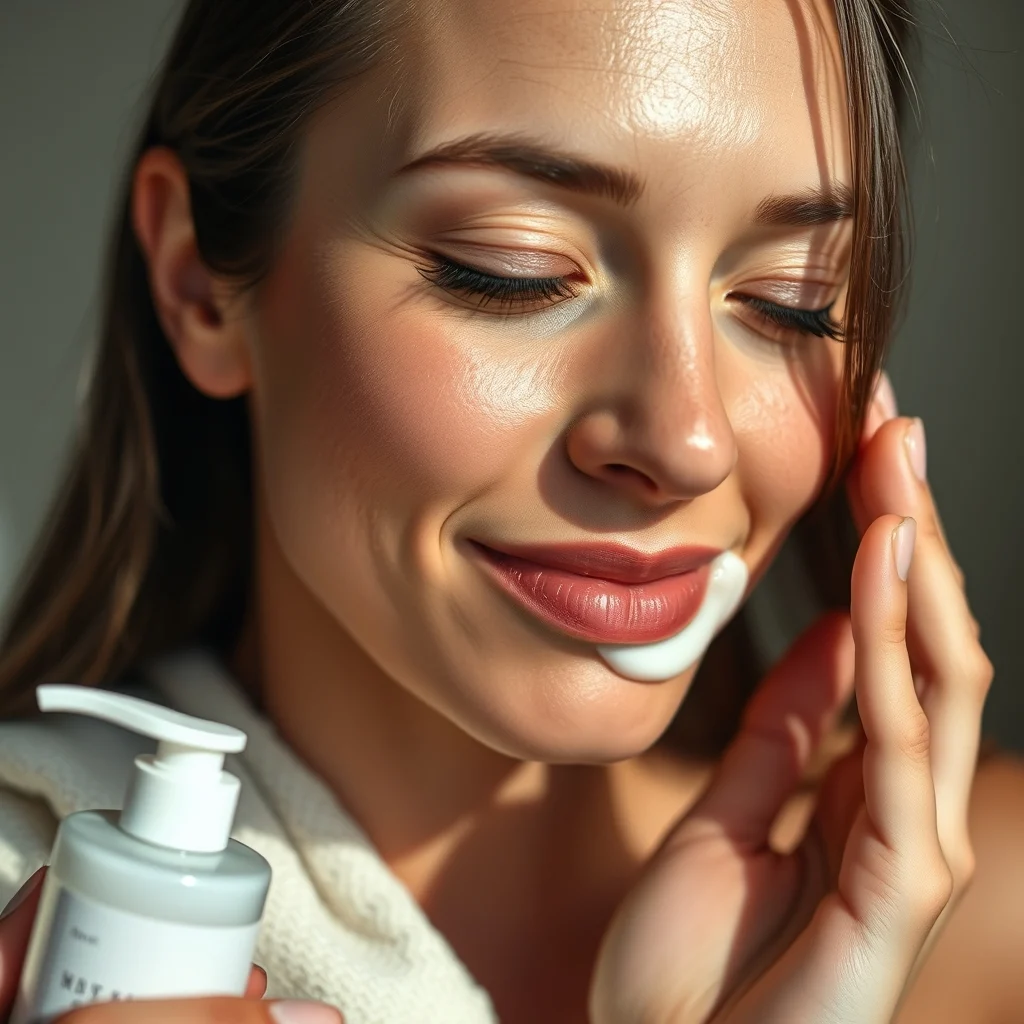
If you’ve ever dealt with redness, tightness, or irritation after trying a new skincare product, you’re not alone. Many people with sensitive skin fall victim to common skincare myths that promise glowing results but deliver frustration instead. The truth? Sensitive skin thrives when its protective barrier is prioritized—not stripped or overwhelmed. Let’s separate fact from fiction so you can build a routine that actually works.
Myth #1: Harsh Cleansers Are Better for Deep Cleaning
It’s tempting to reach for a foaming cleanser that leaves your skin feeling squeaky clean, but that tight sensation is a red flag. Harsh cleansers strip away natural oils, disrupting your skin’s moisture barrier and triggering irritation. For sensitive skin, this can lead to increased redness, dryness, and even breakouts as your skin overcompensates by producing more oil.
Instead, opt for a gentle, hydrating cleanser with a creamy or milky texture. Look for ingredients like ceramides or hyaluronic acid, which cleanse without compromising your skin’s protective layer. If your skin feels soft and comfortable after washing—not tight or dry—you’ve made the right choice.
Myth #2: Exfoliating Daily Keeps Skin Smooth
Exfoliation is essential for removing dead skin cells, but overdoing it can wreak havoc on sensitive skin. Physical scrubs with rough particles or daily chemical exfoliants can cause micro-tears, inflammation, and long-term damage to your skin barrier. Even gentle exfoliants like lactic acid or PHA should be used sparingly—think once or twice a week, not daily.
If your skin feels raw or looks flushed after exfoliating, dial it back. Focus on nourishing your skin between sessions with soothing ingredients like aloe vera or niacinamide. Remember, healthy skin isn’t about how often you exfoliate—it’s about how well you protect and repair it afterward.
Myth #3: Natural Ingredients Are Always Safe for Sensitive Skin
Just because an ingredient is natural doesn’t mean it’s gentle. Essential oils, citrus extracts, and even some botanicals can be highly irritating for sensitive skin. Fragrance—whether natural or synthetic—is another common culprit behind allergic reactions and redness. The key is to patch-test new products and introduce them slowly into your routine.
When in doubt, stick to fragrance-free formulas with minimal ingredients. Ingredients like colloidal oatmeal, centella asiatica, and panthenol are known for their soothing properties and are less likely to trigger sensitivity. Always listen to your skin—if it stings, burns, or turns red, it’s time to switch.
Myth #4: Moisturizer Isn’t Necessary for Oily or Combination Sensitive Skin
Even if your skin leans oily, skipping moisturizer can backfire. When your skin is dehydrated, it produces more oil to compensate, leading to clogged pores and breakouts. The right moisturizer helps balance your skin’s hydration levels while reinforcing its barrier, reducing the likelihood of irritation.
For oily or combination sensitive skin, choose a lightweight, non-comedogenic moisturizer. Gel-based formulas with hyaluronic acid or squalane provide hydration without feeling greasy. If your skin feels comfortable and balanced—not shiny or dry—you’ve found the right match.
Myth #5: Sunscreen Is Optional for Sensitive Skin
Sunscreen is non-negotiable, especially for sensitive skin. UV rays not only accelerate aging but also trigger inflammation, redness, and hyperpigmentation. Many people with sensitive skin avoid sunscreen because they’ve had bad reactions in the past, but modern formulas are designed to be gentler and more effective.
Look for mineral sunscreens with zinc oxide or titanium dioxide, which sit on the skin’s surface and reflect UV rays without absorbing into the skin. These are less likely to cause irritation compared to chemical sunscreens. Apply it daily, even when it’s cloudy—your skin will thank you in the long run.
Myth #6: More Products Equal Better Results
Layering multiple products might seem like a shortcut to flawless skin, but for sensitive skin, less is often more. Overloading your skin with serums, toners, and treatments can overwhelm its barrier, leading to irritation and breakouts. A simple, consistent routine is far more effective than a complicated one.
Start with the basics: a gentle cleanser, a hydrating moisturizer, and sunscreen. Once your skin adapts, you can introduce one new product at a time. Pay attention to how your skin reacts—if it stays calm and balanced, you’re on the right track. If not, it’s time to simplify.
Building a skincare routine for sensitive skin doesn’t have to be complicated. By debunking these common skincare myths, you can focus on what truly matters: protecting your skin’s barrier and keeping it healthy. Start with gentle, nourishing products, and let your skin’s natural resilience shine through. If you’re unsure where to begin, the American Academy of Dermatology offers trusted guidance on building a routine that works for your skin type. The best results come from patience and consistency—so take it one step at a time and enjoy the process.
You may also like
-
Skincare Myths Debunked: What Most People Get Wrong About Peptides & Regenerative Actives
-
Skincare Myths Debunked: A Barrier-First, Skinimalism Approach
-
Common Skincare Myths Debunked: A Beginner’s Guide to Smarter Skin Care
-
Common Skincare Myths Debunked: Quick Tips for Busy People
-
Skincare Myths Debunked: What Most People Get Wrong About Skin Care Routines