
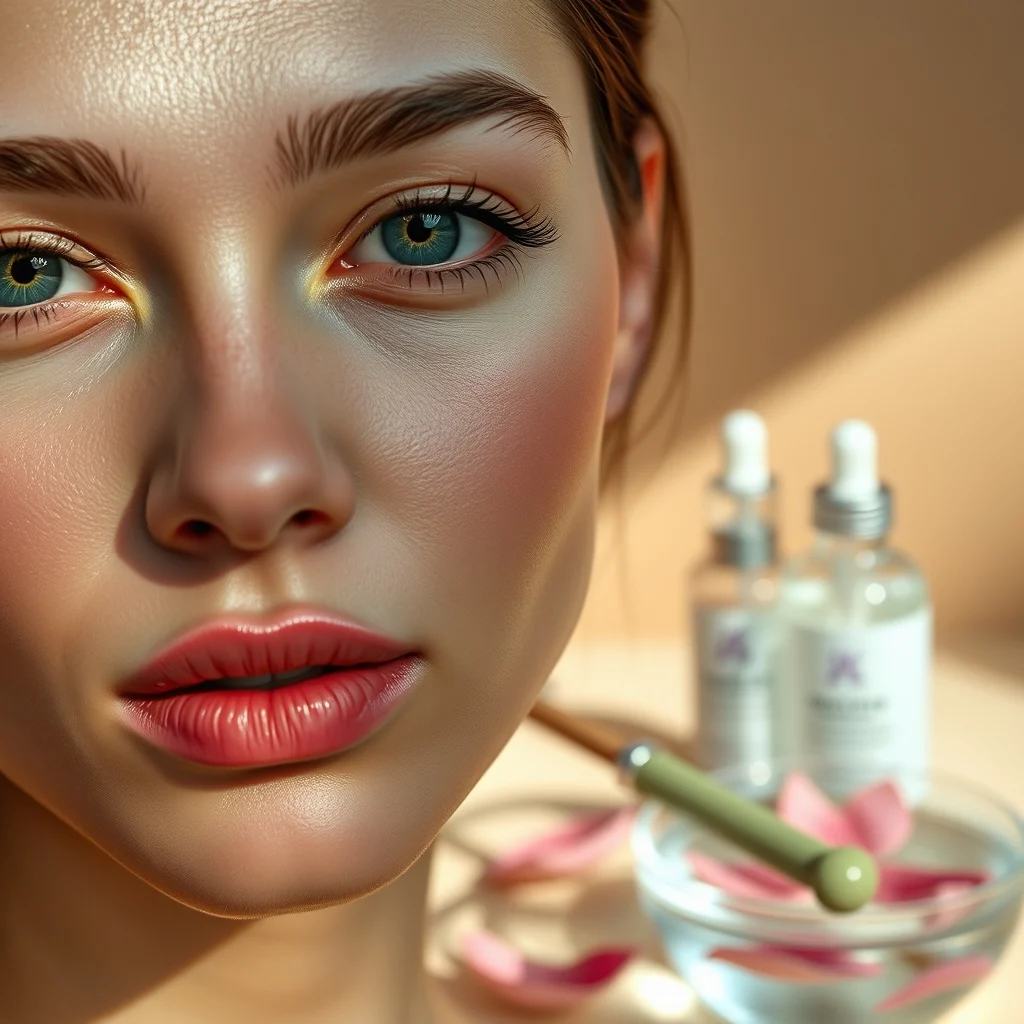
Ever scrolled through skincare social media and wondered how some people achieve that dewy, almost translucent complexion? The answer often lies in clinical studies—but not the intimidating, jargon-filled kind. K-beauty’s latest obsession, “glass skin 2.0,” isn’t just about layering products; it’s about understanding how science-backed ingredients work together to transform your skin. If you’ve ever felt overwhelmed by the endless serums and essences promising radiance, this guide breaks down the essentials without the confusion.
What Is Glass Skin 2.0, Really?
Glass skin 2.0 goes beyond the original trend of sheer hydration. It’s about achieving a lit-from-within glow that looks healthy, not greasy, with a focus on skin resilience. Think of it as the next level: where hydration meets repair, and dullness takes a backseat. The key difference? This version prioritizes long-term skin health, not just temporary plumping.
Clinical studies on glass skin 2.0 emphasize ingredients that strengthen the skin barrier while boosting radiance. Unlike the first wave of glass skin, which relied heavily on hydration alone, this approach incorporates actives that support collagen production and cell turnover. The result? Skin that looks smooth, even-toned, and—most importantly—feels balanced.
Why Your Skin Barrier Holds the Key
A compromised skin barrier is the silent culprit behind dullness, sensitivity, and breakouts. Clinical studies show that when the barrier is weak, even the best hydrating products can’t penetrate effectively. Glass skin 2.0 starts with repairing and maintaining this protective layer, often using ceramides, cholesterol, and fatty acids.
If your skin feels tight, flaky, or reactive, it’s likely crying out for barrier support. The good news? You don’t need a 10-step routine to fix it. Simplifying your regimen to focus on barrier-friendly products can make a noticeable difference in just a few weeks. Look for formulas labeled “barrier-repair” or “ceramide-rich” to get started.
The Role of Hydration Boosters
Hyaluronic acid is the poster child for hydration, but glass skin 2.0 takes it further with multi-weight hyaluronic acid. Clinical studies reveal that different molecular sizes penetrate the skin at varying depths, ensuring hydration isn’t just superficial. Smaller molecules dive deeper, while larger ones lock moisture into the surface.
Pairing hyaluronic acid with humectants like glycerin or panthenol amplifies its effects. These ingredients draw water into the skin and help retain it, giving you that coveted plumpness without heaviness. For an extra boost, try layering a hydrating serum under a lightweight moisturizer—your skin will thank you.
Exfoliation: The Unsung Hero of Radiance
Dull skin often stems from a buildup of dead cells on the surface. Gentle exfoliation, whether chemical or physical, is a game-changer for glass skin 2.0. Clinical studies suggest that regular exfoliation (1-2 times a week) can improve texture, brighten tone, and enhance product absorption.
Opt for PHA (polyhydroxy acids) if you have sensitive skin—they exfoliate without irritation. For oily or combination skin, a mild AHA like lactic acid can dissolve dead cells while hydrating. Just remember: over-exfoliating can damage your barrier, so moderation is key.
Peptides and Regenerative Actives
Peptides are the building blocks of proteins like collagen and elastin, which keep skin firm and bouncy. Clinical studies highlight their ability to signal skin cells to repair and regenerate, making them a staple in glass skin 2.0 routines. Unlike some actives that can be harsh, peptides are gentle yet effective, even for sensitive skin.
For an extra regenerative boost, look for ingredients like PDRN (polydeoxyribonucleotide) or biotech-derived actives. These cutting-edge components mimic the skin’s natural processes, helping to fade fine lines and improve elasticity over time. They’re not just for anti-aging—even younger skin benefits from their protective properties.
Simplifying the Routine Without Sacrificing Results
Glass skin 2.0 doesn’t require a complicated regimen. The secret lies in consistency and layering the right products. Start with a gentle cleanser, followed by a hydrating toner or essence. Next, apply a peptide or regenerative serum, then lock everything in with a moisturizer. If you’re using sunscreen (and you should!), apply it as the final step.
Clinical studies emphasize that even a streamlined routine can deliver results if it’s tailored to your skin’s needs. The goal isn’t to use every product under the sun but to focus on what truly works for you. Listen to your skin—it’ll tell you what it loves.
If you’ve been chasing that elusive glow, glass skin 2.0 might be the answer. It’s not about perfection; it’s about skin that looks and feels healthy, inside and out. Start small, stay consistent, and let your skin’s natural radiance shine through. For more on safe skincare practices, check out the American Academy of Dermatology’s skincare secrets. Your journey to luminous skin begins with understanding what your skin truly needs—and now you’re one step closer.
You may also like
-
Clinical Studies Explained Simply: A Beginner’s Guide to Skincare Science
-
Clinical Studies Explained Simply: Quick Tips for Busy People
-
**Clinical Studies Explained Simply: A Barrier-First, Skinimalism Approach**
-
Clinical Studies Explained Simply: A Step-by-Step Guide for Beginners
-
**Clinical Studies Explained Simply: How to Get Started This Week**