Ever scrolled through skincare labels only to find terms like *double-blind*, *placebo-controlled*, or *dermatologist-tested* and wondered what they *really* mean? If you’ve ever felt overwhelmed by clinical jargon or unsure how to translate study results into real-life skincare choices, you’re not alone. The good news? Understanding clinical studies doesn’t require a medical degree—just a few key principles to decode the science behind the claims. This guide breaks down the basics so you can confidently navigate product research, spot red flags, and build a routine backed by evidence.
Clinical studies explained simply starts with recognizing that not all studies are created equal. Some test effectiveness, others focus on safety, and a handful explore long-term benefits. By learning to distinguish between them, you’ll avoid misinterpreting headlines and make choices that align with your skin’s unique needs—whether it’s sensitivity, oiliness, or aging concerns.
Ready to cut through the noise? Let’s start with the foundation: what makes a study reliable, and why phase trials matter more than marketing buzzwords.
Why Phase Trials Matter: The Building Blocks of Trustworthy Science
Clinical studies are typically divided into phases, each serving a distinct purpose. Phase I trials, for example, test safety on a small group, while Phase II and III expand to larger populations to measure efficacy. The key takeaway? Products backed by Phase III data are far more trustworthy than those relying on anecdotal reports or single small-scale tests. Always look for studies published in peer-reviewed journals or referenced on reputable sites like the American Academy of Dermatology’s resources. This step alone filters out 80% of misleading claims.
But here’s the catch: not all studies are equal in quality. Some lack diversity in participant demographics, which can skew results. For instance, a study testing a moisturizer on fair skin may not yield the same outcomes for deeper skin tones. Prioritize research that includes varied skin types, ages, and conditions to ensure the findings apply broadly.
Pro tip: If a product’s website only lists a single study without details on methodology or sample size, proceed with caution. Transparency is your best friend when evaluating claims.
Decoding Key Terms: What “Double-Blind” and “Placebo” Really Mean
Two terms you’ll encounter often are *double-blind* and *placebo-controlled*. A double-blind study means neither the participants nor the researchers know who’s receiving the active treatment versus a placebo. This eliminates bias, ensuring the results reflect the product’s true impact. Meanwhile, placebo-controlled trials compare the product against an inactive substance to isolate its effects. Together, these designs help separate hype from hard evidence.
However, even well-designed studies can be misrepresented. For example, a product might claim “90% improvement” based on a study where only 10% of participants had the specific condition being treated. Always dig deeper: How many people were in the study? What was the duration? Were there dropouts or side effects reported?
Another red flag is when companies cherry-pick data. A single positive outcome doesn’t validate long-term safety or broad applicability. Cross-reference claims with multiple studies to paint a fuller picture.
From Lab to Routine: How to Apply Study Findings to Your Skin
So, you’ve found a product with solid clinical backing. Now what? Start by matching the study’s focus to your skin’s needs. For example, a study proving a retinol’s effectiveness in reducing fine lines won’t necessarily translate to treating acne if that wasn’t the primary outcome measured. Look for studies that align with your concerns—whether it’s hydration, redness, or barrier repair—and prioritize those.
It’s also worth noting that real-world results can differ from clinical settings. Studies often use higher concentrations or controlled environments (like applying products in a dermatologist’s office) that aren’t practical at home. Begin with the recommended dosage and adjust gradually to gauge how your skin responds.
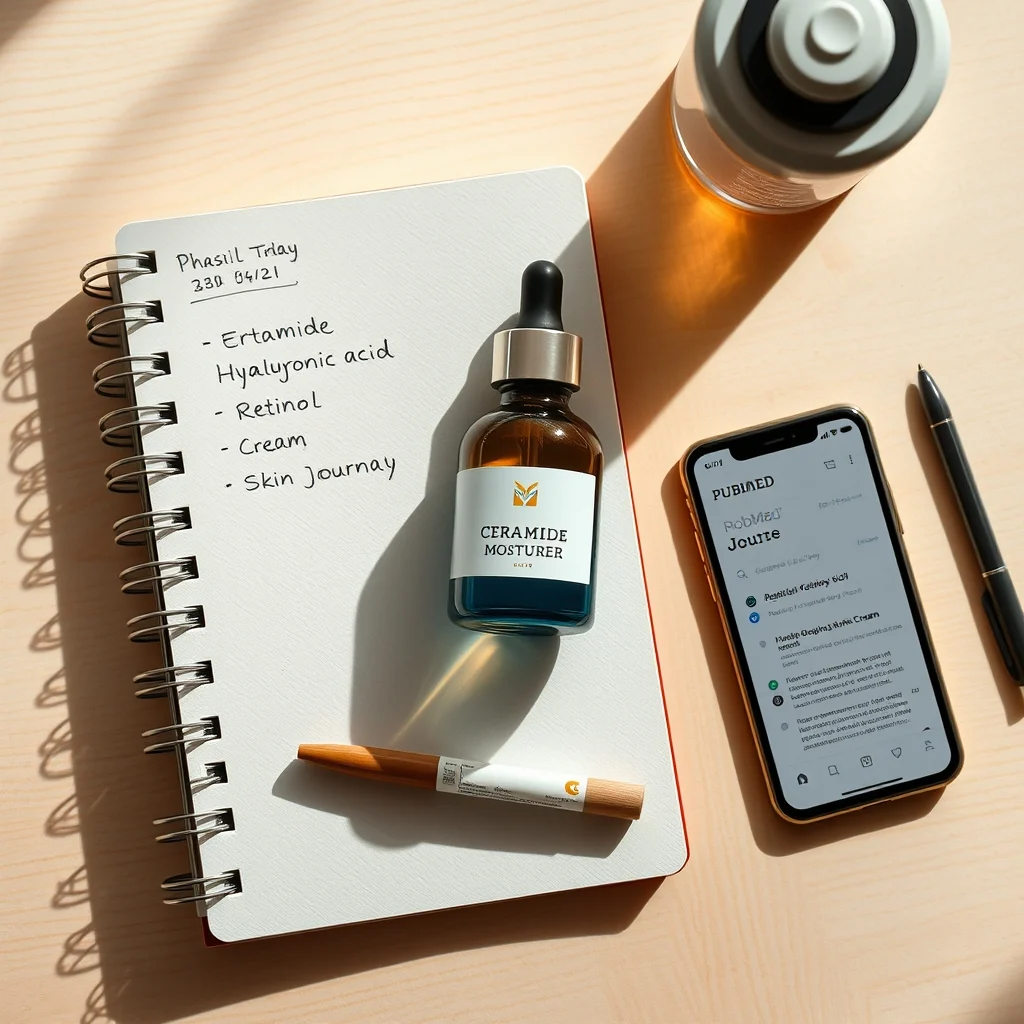
Remember: clinical studies provide a starting point, not a one-size-fits-all solution. Your skin’s reaction is unique, so patience and observation are key. Keep a skincare journal to track changes over weeks, not just days.
Avoiding Common Pitfalls: What Most People Get Wrong
One of the biggest mistakes is assuming that more active ingredients equal better results. Overloading your routine with potent actives—like combining high-percentage retinol with AHAs—can lead to irritation, even if individual studies support their efficacy. Balance is critical. Start with one or two well-researched actives and introduce others slowly to assess compatibility.
Another error is dismissing older studies. Just because a product cites a 10-year-old study doesn’t mean it’s outdated. Some foundational research (like the benefits of ceramides for barrier repair) remains relevant. However, newer studies often build on this knowledge with updated methodologies or larger sample sizes. Aim for a mix of both.
Lastly, don’t overlook the role of formulation. A study might prove an ingredient works, but how it’s delivered matters. Encapsulated actives, time-release technology, or gentler pH levels can make the difference between a product that works and one that causes frustration.
Budget-Friendly Science: How to Access Reliable Research Without Spending Much
You don’t need to break the bank to access high-quality clinical insights. Many studies are available for free through databases like PubMed or the National Library of Medicine. Search for keywords like “clinical trial,” “dermatology,” or your specific skin concern to filter results. While some papers require subscriptions, summaries or abstracts often provide enough detail to evaluate a product’s credibility.
Additionally, reputable brands often publish their study data on their websites or through partnerships with universities. Look for sections labeled “Research,” “Clinical Data,” or “Studies Behind [Product Name].” If a brand is transparent about its sourcing, it’s a green flag.
For those on a tighter budget, focus on ingredients with a strong evidence base, such as niacinamide (for barrier support), hyaluronic acid (hydration), or zinc PCA (anti-inflammatory). These are widely studied and available in affordable drugstore options without compromising quality.
Putting It All Together: Your Action Plan for This Week
Ready to put this knowledge into practice? Here’s a simple three-step plan to get started:
- Audit your current routine. Identify one product you’re unsure about—perhaps a serum or moisturizer—and research its clinical backing. Use the tips above to evaluate its study history.
- Start small. Introduce one evidence-backed ingredient or product at a time. For example, if you’re targeting dryness, try a ceramide-rich moisturizer and monitor your skin’s response for 4 weeks.
- Share your findings. Join online communities (like Reddit’s r/SkincareAddiction or dermatology forums) to discuss what you’ve learned. Real-world conversations can provide additional context and help you avoid others’ mistakes.
Clinical studies don’t have to feel like a daunting puzzle. By focusing on phase trials, decoding key terms, and applying findings thoughtfully, you’ll build a routine that’s both effective and tailored to your skin’s needs. The goal isn’t perfection—it’s progress, backed by science and adapted to your unique journey.
Your skin deserves products that work as hard as you do. Now that you’re equipped with the tools to navigate the science, it’s time to make choices with confidence—and see the results for yourself.
You may also like
-
Clinical Studies Explained Simply: Quick Tips for Busy People
-
**Clinical Studies Explained Simply: A Barrier-First, Skinimalism Approach**
-
Clinical Studies Explained Simply: A Step-by-Step Guide for Beginners
-
**Clinical Studies Explained Simply: How to Get Started This Week**
-
Clinical Studies Explained: Quick Tips for Busy People