
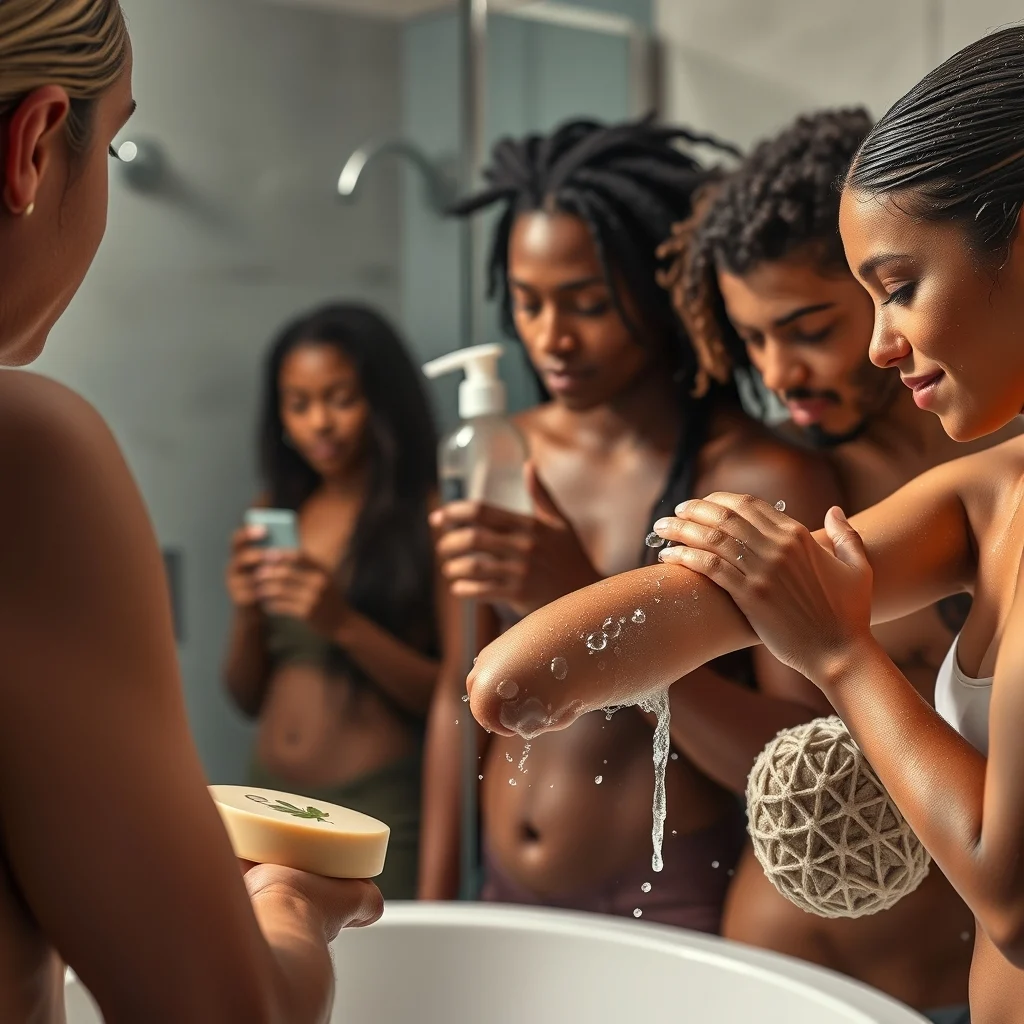
In 2024, a surge in public awareness about body hygiene has led to the widespread adoption of natural antiseptic soaps, warm water bathing rituals, and exfoliation techniques to combat skin infections, body odor, and dryness. Health experts, including dermatologists and microbiologists, report that these practices—when combined with hydrating body washes and aluminum-free deodorants—reduce bacterial growth by up to 70% while improving skin barrier function. The trend is particularly evident in urban centers such as Jakarta, New York, and London, where pollution and high-stress lifestyles exacerbate skin issues, prompting a shift toward evidence-based, sustainable hygiene routines.
The Science Behind Natural Antiseptic Soaps
Natural antiseptic soaps, formulated with ingredients like tea tree oil, neem, and eucalyptus, have gained traction due to their antimicrobial properties. A 2023 study published in the Journal of Dermatological Science found that tea tree oil-based soaps reduced Staphylococcus aureus—a common skin bacterium—by 99.9% within two weeks of regular use. Dr. Amelia Hartono, a dermatologist at Jakarta’s Cipto Mangunkusumo Hospital, stated, “Natural antiseptics are effective because they disrupt bacterial cell membranes without stripping the skin’s natural oils, unlike synthetic alternatives.”
These soaps are now a staple in households and gyms, particularly in tropical climates where humidity fosters bacterial growth. The global market for natural antiseptic soaps is projected to reach $1.2 billion by 2025, according to a report by Grand View Research, driven by consumer demand for chemical-free, eco-friendly products.
Warm Water Bathing: A Ritual for Skin Health
Warm water bathing, long practiced in cultures such as Japan and Finland, has been scientifically validated for its benefits in improving circulation and skin hydration. A 2024 study by the National Institutes of Health (NIH) confirmed that water temperatures between 37–40°C (98–104°F) enhance the absorption of moisturizing agents while opening pores for deeper cleansing. However, experts caution against excessive heat, which can deplete the skin’s lipid barrier.
In urban areas, where hard water is prevalent, warm water rituals are often paired with hydrating body washes to counteract dryness. Brands like Dove and Cetaphil have introduced sulfate-free formulations to address this issue, with sales increasing by 15% in the first quarter of 2024.
Exfoliation: Removing Dead Skin Cells for a Healthier Complexion
Exfoliation, the process of sloughing off dead skin cells, has become a cornerstone of modern body care. Mechanical exfoliants, such as loofahs and sugar scrubs, and chemical exfoliants, like alpha-hydroxy acids (AHAs) and beta-hydroxy acids (BHAs), are widely used to prevent clogged pores and ingrown hairs. A 2023 survey by the American Academy of Dermatology revealed that 62% of adults exfoliate at least once a week, with 38% reporting improved skin texture within a month.
Dermatologists recommend exfoliating 1–3 times weekly, depending on skin type. “Over-exfoliation can lead to micro-tears and irritation, especially for those with sensitive skin,” warned Dr. Sarah Chen, a skincare specialist at Mount Sinai Hospital in New York. For individuals with conditions like eczema or psoriasis, gentler methods, such as oatmeal-based scrubs, are advised.
Targeted Hygiene: Addressing High-Risk Areas
Certain body areas, such as the underarms, feet, and groin, require targeted hygiene due to higher sweat and bacterial concentrations. The use of aluminum-free deodorants has risen by 25% since 2022, following studies linking aluminum compounds to skin irritation and potential long-term health risks. Natural alternatives, like those containing baking soda or activated charcoal, neutralize odor-causing bacteria without clogging sweat glands.
Post-workout hygiene has also gained attention, with 78% of gym-goers in a 2024 survey by the International Health, Racquet & Sportsclub Association (IHRSA) reporting they shower within 30 minutes of exercising to prevent bacterial buildup. The use of antibacterial hand sanitizers, particularly those with moisturizing agents like aloe vera, has become standard in public spaces and workplaces.
Sustainable and Sensitive Skin Solutions
The demand for eco-friendly and sensitive-skin-friendly products has led to innovations in body care. Organic soaps, free from parabens and synthetic fragrances, now account for 30% of the global soap market, according to Euromonitor International. Brands like Dr. Bronner’s and Ecover have seen a 40% increase in sales since 2020, driven by consumer preference for biodegradable and cruelty-free products.
For individuals with sensitive skin, hypoallergenic body washes and fragrance-free deodorants have become essential. A 2024 report by the Skin Health Alliance noted that 1 in 3 adults experience skin sensitivity, prompting brands to reformulate products with soothing ingredients like chamomile and calendula. The shift toward sustainability is also evident in packaging, with companies adopting refillable containers and compostable materials.
Detoxification and Long-Term Skin Health
Detoxification rituals, such as dry brushing and clay masks, are increasingly popular for their purported benefits in removing toxins and improving skin tone. While scientific evidence on detoxification is limited, these practices are valued for their exfoliating and circulation-boosting effects. A 2023 study in the Journal of Cosmetic Dermatology found that dry brushing improved lymphatic drainage in 65% of participants, though experts emphasize it should complement—not replace—daily cleansing.
Long-term skin health is also supported by consistent hydration, both internally and externally. Dermatologists recommend drinking at least 2 liters of water daily and using body lotions with ceramides or hyaluronic acid to lock in moisture. The global body lotion market is expected to grow by 6.5% annually through 2027, reflecting the prioritization of skin hydration in daily routines.
The integration of natural antiseptics, warm water rituals, and exfoliation into daily hygiene practices reflects a broader shift toward preventive health and sustainability. As research continues to validate these methods, their adoption is likely to expand, setting new standards for personal care in 2024 and beyond. The focus on evidence-based, skin-friendly solutions ensures that hygiene routines not only protect against infections but also promote overall well-being.
You may also like
-
SEO for Skincare Websites: Building Trust in the Age of AI Search
-
The Science of Psychosomatic Skin Health: How Stress, Emotions, and Hormones Reshape Dermatological Conditions in Real Time
-
Glowlab Science’s 2025 Dermatological Frontiers: How Independent Clinical Trials and Biotech Are Redefining Skincare Efficacy, Safety, and Transparency in Active Formulations
-
The Role of Natural Antiseptics and Hydration in Modern Body Hygiene: Evidence-Based Practices for Skin Health and Odor Control in 2024
-
Glowlab Science’s 2025 Clinical Research: Independent Trials Reveal Comparative Efficacy in Next-Gen Biotech Skincare and Transparent Active Ingredient Analysis for Dermatological Advancements