
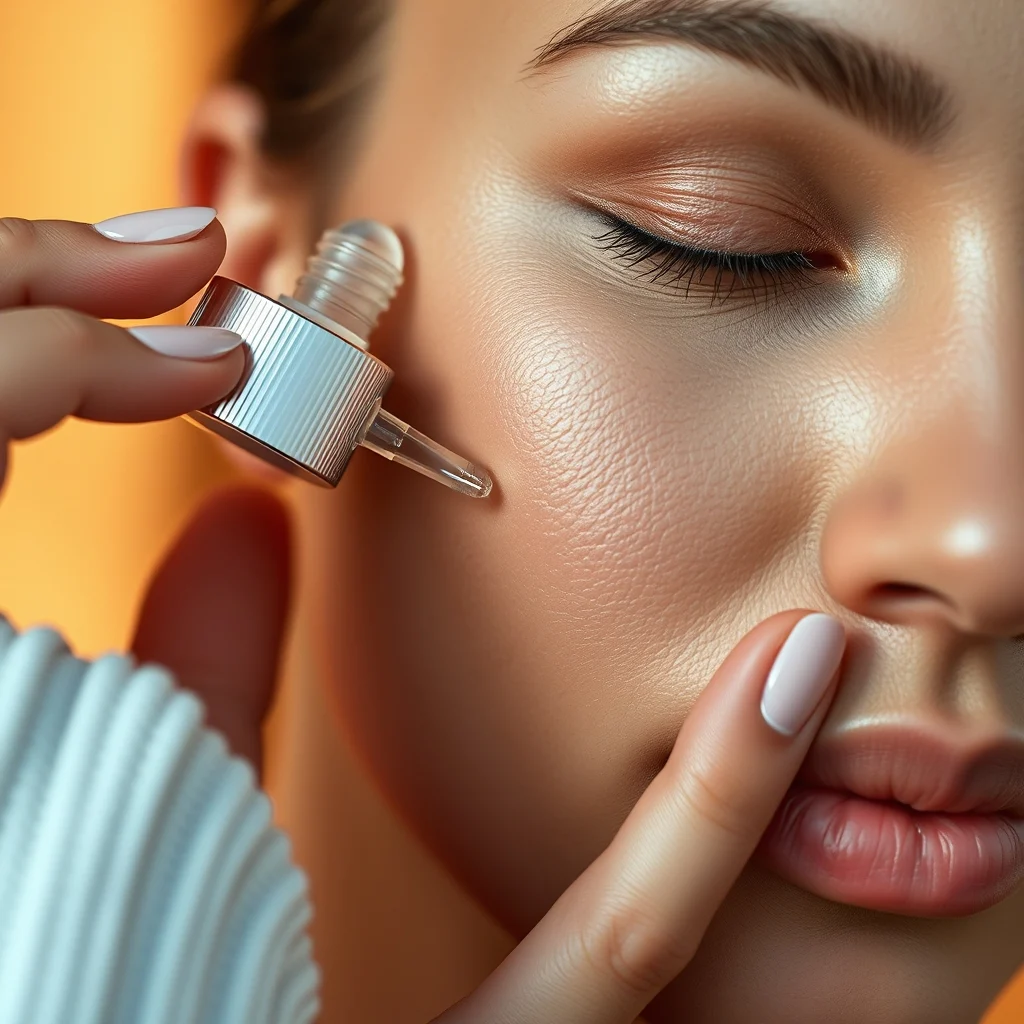
Ever wondered why some skincare products promise miracles while others leave your skin feeling tight, irritated, or worse? The answer often lies in how well they align with what clinical studies reveal about skin health. If you’ve struggled with dryness, redness, or sensitivity, a **clinical studies explained** approach—especially one focused on strengthening your skin’s natural barrier—could be the game-changer you’ve been missing. The key isn’t just slathering on actives; it’s understanding how to support your skin’s first line of defense before introducing powerful ingredients.
Why Your Skin’s Barrier Matters More Than You Think
Your skin’s barrier is like a protective shield, locking in moisture and blocking out irritants, pollutants, and bacteria. When it’s compromised—whether from harsh cleansers, environmental stress, or over-exfoliation—your skin becomes reactive, prone to breakouts, or even premature aging. Clinical studies consistently highlight that repairing this barrier is the foundation for healthier skin, regardless of your skin type or concerns. Think of it as laying a solid groundwork before building a skincare routine on top.
For those with dry or sensitive skin, this principle is non-negotiable. A weakened barrier can amplify irritation from actives like retinol or acids, making your skin more susceptible to redness and inflammation. Even if you’re eager to try the latest trends, skipping barrier repair is like trying to run before you’ve learned to walk.
Step 1: Gentle Cleansing Without Stripping
The first rule of barrier-friendly skincare? Avoid stripping your skin of its natural oils. Many foaming cleansers or alcohol-based products may feel satisfyingly clean but leave your skin parched and vulnerable. Instead, opt for hydrating, low-pH cleansers that maintain your skin’s moisture balance. Look for ingredients like ceramides, glycerin, or cholesterol to support the barrier while cleansing.
Clinical studies emphasize that maintaining the skin’s pH (around 5.5) is critical for barrier function. Harsh cleansers disrupt this balance, leading to a cascade of issues like increased transepidermal water loss (TEWL) and heightened sensitivity. If your skin feels tight after washing, it’s a sign you’re over-cleansing. Swap out your current cleanser for a milder alternative and observe the difference in just a few days.
Step 2: Hydration as the Cornerstone
Hydration isn’t just about slathering on moisturizer—it’s about replenishing what your skin loses daily. Clinical research shows that humectants like hyaluronic acid draw water into the skin, while emollients (such as squalane or shea butter) seal it in. Layering these ingredients ensures your skin stays plump, resilient, and less reactive to external stressors.
For those with dry or sensitive skin, hydration should be a multi-step process. Start with a hydrating serum, followed by a creamy moisturizer, and seal everything in with an occlusive like petroleum jelly or a balm. This layered approach mimics the skin’s natural lipid barrier, reinforcing its ability to retain moisture and repel irritants. If your skin feels better after hydration but reacts poorly to actives, you’re on the right track.
Step 3: Soothing Over Stimulating
When your skin’s barrier is compromised, even gentle ingredients can feel overwhelming. That’s why clinical studies often recommend soothing agents like niacinamide, panthenol (provitamin B5), or allantoin before introducing stronger actives. These ingredients calm redness, reduce inflammation, and help the skin recover its resilience.
If you’re prone to sensitivity, introduce soothing products into your routine consistently for at least 2–4 weeks before adding anything else. This pre-treatment phase allows your skin to heal and strengthens its ability to tolerate more potent ingredients later. Think of it as prepping your skin for a workout—warm-up first, then push your limits.
Step 4: Introducing Actives the Smart Way
Actives like retinol, vitamin C, or exfoliating acids are powerful, but they’re not one-size-fits-all. Clinical studies show that introducing them too soon or too frequently can damage an already fragile barrier. The secret? Start low and slow. For example, if you’re new to retinol, begin with a low concentration (0.25% or less) 1–2 times a week, gradually increasing as your skin builds tolerance.
Pairing actives with barrier-supportive ingredients is also crucial. For instance, using a ceramide-rich moisturizer after applying retinol can mitigate irritation. Always follow the rule: if your skin reacts negatively (redness, peeling, or stinging), dial back and give it time to recover. Patience here prevents long-term damage and ensures your skin can handle stronger treatments down the line.
Step 5: Protecting Your Skin’s Future
Once your barrier is strong, maintaining it becomes easier. Clinical research highlights the importance of sun protection, as UV exposure is one of the biggest threats to skin integrity. Broad-spectrum sunscreen with at least SPF 30 should be a non-negotiable part of your daily routine, even on cloudy days. UV rays break down collagen, weaken the barrier, and accelerate aging—all of which can undo the progress you’ve made.
Another often-overlooked factor is environmental stressors like pollution and cold weather. Wind and extreme temperatures can strip your skin of its natural oils, so layering a protective moisturizer or using a hydrating mist can make a noticeable difference. Consistency is key here; small daily habits add up to long-term skin health.
Ready to transform your skincare routine? Start by assessing your current products—are they supporting or sabotaging your skin’s barrier? If you’re unsure where to begin, focus on one step at a time: swap your cleanser, introduce hydration, and soothe before you introduce actives. Your skin will thank you with a calmer, more resilient complexion that finally feels like its best self.
For more insights on evidence-based skincare, explore how clinical studies shape modern dermatology practices at American Academy of Dermatology. The science is clear: a strong barrier is the ultimate skincare hack.
You may also like
-
Clinical Studies Explained Simply: Quick Tips for Busy People
-
**Clinical Studies Explained Simply: A Barrier-First, Skinimalism Approach**
-
Clinical Studies Explained Simply: A Step-by-Step Guide for Beginners
-
**Clinical Studies Explained Simply: How to Get Started This Week**
-
Clinical Studies Explained: Quick Tips for Busy People