
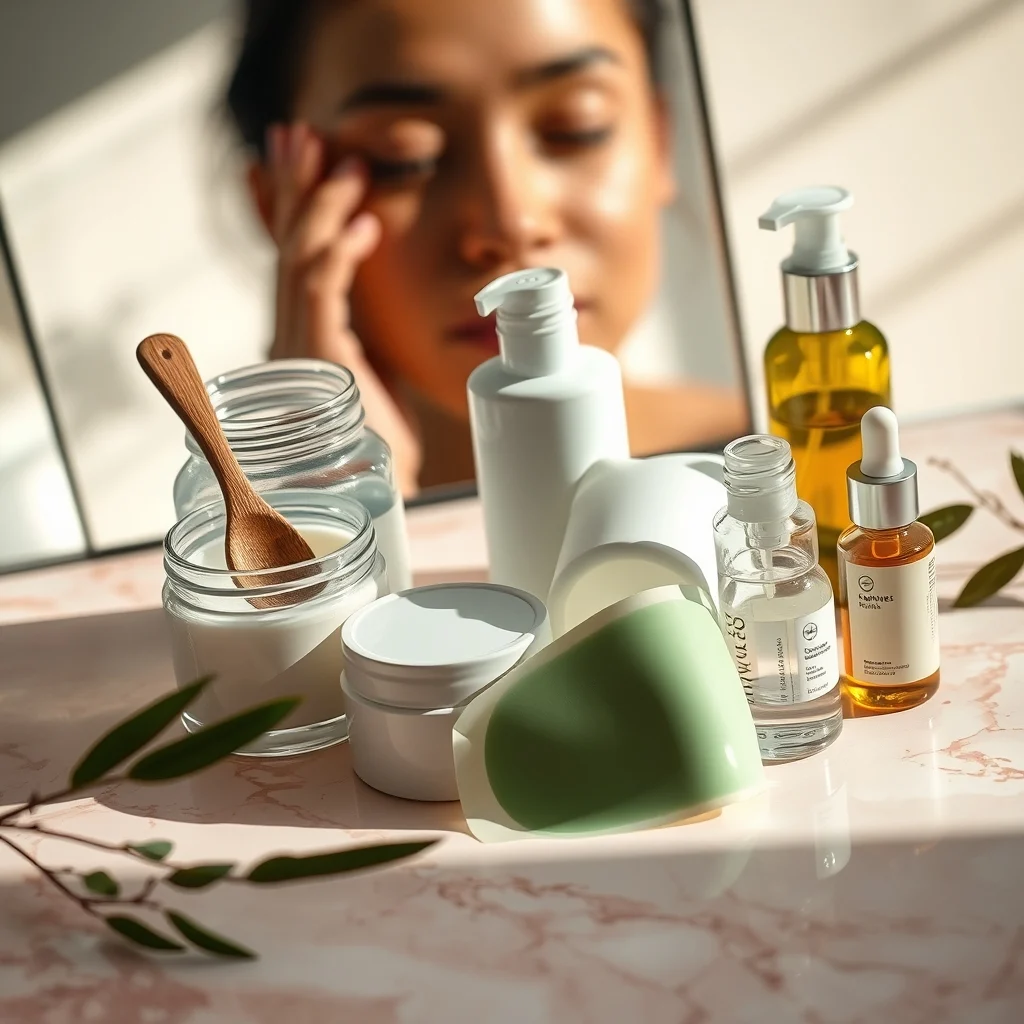
Ever wondered why that overnight miracle cream didn’t work—or why your skin feels worse after trying the latest viral skincare hack? The truth is, many of us fall for common skincare myths that promise quick fixes but deliver little more than frustration. The skincare industry thrives on trends, but not all advice is created equal. If you’re tired of chasing temporary results and want to understand what *actually* works for healthier, long-term skin, you’re in the right place.
Skincare isn’t about shortcuts—it’s about consistency, science-backed ingredients, and realistic expectations. This guide cuts through the noise to reveal the myths holding you back and replaces them with actionable, evidence-based strategies. Whether you’re a skincare newbie or someone who’s been burned by false promises, these insights will help you build a routine that delivers real, lasting results.
Myth: “Expensive Products Guarantee Better Results”
Price tags don’t always reflect effectiveness. Many high-end products rely on marketing hype rather than proven ingredients. What truly matters is whether a product aligns with your skin’s needs—whether dry, oily, or sensitive. Focus on formulations with clinically tested actives like niacinamide, hyaluronic acid, or ceramides, which are often found in both budget-friendly and luxury brands. Instead of splurging on unproven serums, invest in a few well-researched staples that address your specific concerns.
That said, avoid assuming cheaper products are always inferior. Some drugstore brands contain the same high-quality ingredients as pricier alternatives, just without the extra frills. Always check the ingredient list and patch-test new products to ensure compatibility with your skin.
Myth: “You Need a 10-Step Routine for Glowing Skin”
Less is often more when it comes to skincare. Overloading your skin with multiple products can disrupt its natural barrier, leading to irritation, breakouts, or dullness. A minimalist approach—cleanser, moisturizer, and sunscreen—can be just as effective, if not more so, than a complex regimen. The key is layering products *strategically*, ensuring each step serves a purpose without overcomplicating your routine.
If you’re already using a multi-step routine, evaluate whether every product is necessary. For example, toners and essences might not be essential if your skin responds well to a simpler formula. Start by identifying your core needs—hydration, oil control, or brightening—and build from there.
Myth: “Skincare Works Overnight”
Patience is the cornerstone of effective skincare. While some products, like sheet masks or hydrating serums, provide instant plumping or brightening effects, true skin transformation takes time. Ingredients like retinoids, vitamin C, or alpha hydroxy acids (AHAs) require weeks—or even months—to show noticeable results. Rushing the process often leads to overuse, irritation, or disappointment.
Set realistic expectations by tracking progress over 4-6 weeks. Take progress photos in consistent lighting, and note how your skin feels rather than just how it looks. Celebrate small improvements, like reduced redness or smoother texture, rather than fixating on instant gratification.
Myth: “Natural Ingredients Are Always Safe”
Just because something is “natural” doesn’t mean it’s gentle or suitable for all skin types. Ingredients like citrus extracts (high in vitamin C) can cause photosensitivity or irritation, while honey, though hydrating, may clog pores for acne-prone skin. Even seemingly harmless ingredients like coconut oil can disrupt the skin barrier for some individuals. Always research how an ingredient interacts with your skin type before assuming it’s safe.
When in doubt, opt for fragrance-free, hypoallergenic formulations, especially if you have sensitive skin. Patch-testing is non-negotiable—apply a small amount of the product to your jawline or behind your ear and wait 24 hours to monitor for reactions.
Myth: “Skincare Is Only About Your Face”
Your neck, décolletage, and even hands often get overlooked, yet they age just like the rest of your skin. Neglecting these areas can lead to uneven texture, fine lines, or dullness that becomes more noticeable over time. Extend your skincare routine to these zones by applying the same products—or a gentler version of them—after your face. For example, use a lightweight moisturizer on your neck to prevent crepey skin, and don’t forget sunscreen to protect against sun damage.
If you’re short on time, focus on sunscreen and a hydrating serum or moisturizer for these areas. Consistency is key—just a few extra minutes daily can make a significant difference in the long run.
Myth: “Skincare Is One-Size-Fits-All”
Your skin is unique, and so should be your routine. What works for someone with oily skin might dry out sensitive skin, and vice versa. Factors like age, climate, hormones, and even genetics play a role in how your skin behaves. Pay attention to how your skin reacts to products and adjust accordingly. If you’re unsure where to start, begin with a gentle cleanser and moisturizer, then introduce targeted treatments based on your specific concerns.
For personalized guidance, consider consulting a dermatologist or esthetician, especially if you have conditions like rosacea, eczema, or severe acne. Tools like skin quizzes on reputable sites like aad.org can also help tailor your approach.
Building a skincare routine that works isn’t about following trends or chasing quick fixes—it’s about understanding your skin’s needs and committing to a process that delivers sustainable results. Start by debunking these myths, and you’ll be well on your way to healthier, happier skin. The real magic happens when you focus on what your skin truly needs, not what the latest ads promise.
You may also like
-
Skincare Myths Debunked: What Most People Get Wrong About Peptides & Regenerative Actives
-
Skincare Myths Debunked: A Barrier-First, Skinimalism Approach
-
Common Skincare Myths Debunked: A Beginner’s Guide to Smarter Skin Care
-
Common Skincare Myths Debunked: Quick Tips for Busy People
-
Skincare Myths Debunked: What Most People Get Wrong About Skin Care Routines