
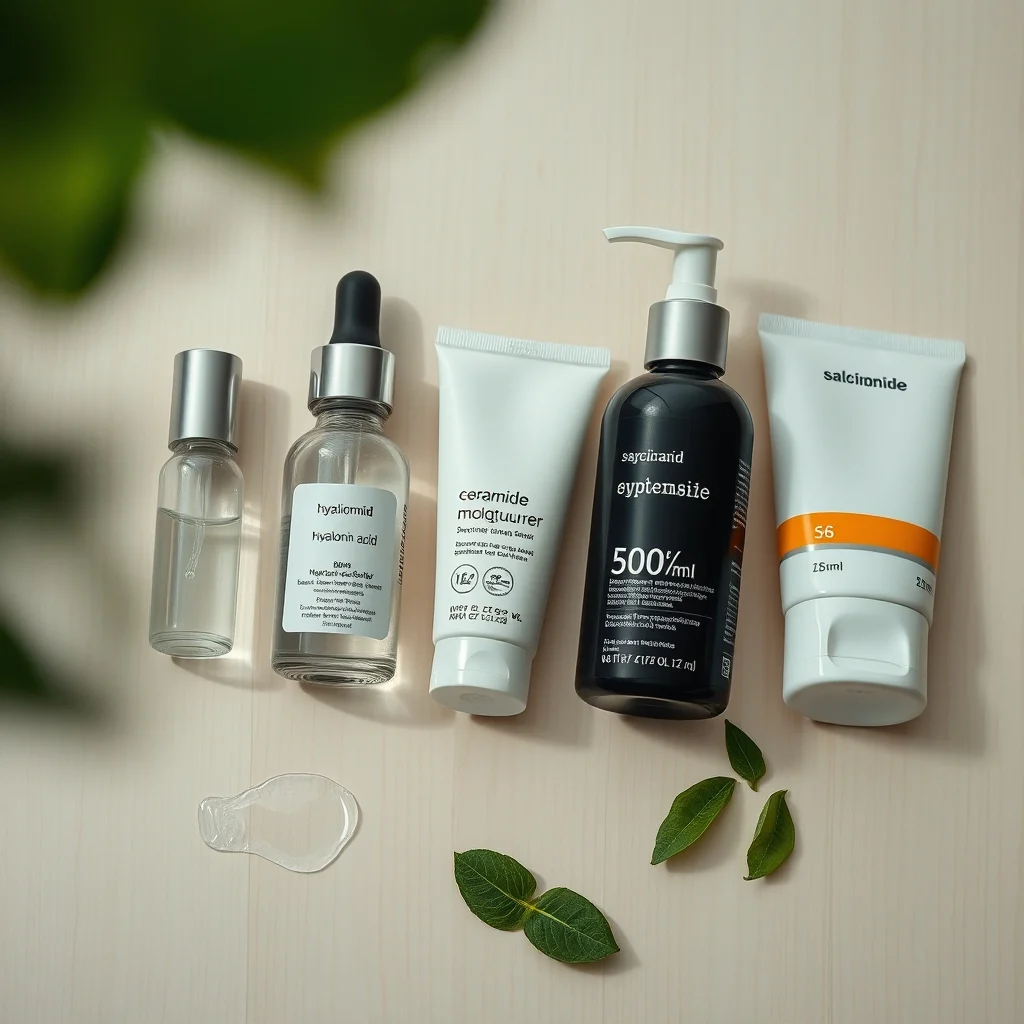
Ever stared at a skincare ingredient list and felt like you’re deciphering a foreign language? From retinol to hyaluronic acid, the world of skincare science can feel overwhelming—especially when every product claims to be the miracle solution. The truth? Understanding how ingredients work is the first step to building a routine that actually suits your skin. If you’re just starting out, this guide breaks down the basics of skincare science and how key ingredients interact with your skin, so you can make smarter choices without the confusion.
Why Ingredients Matter: The Science Behind the Hype
Skincare isn’t just about slathering on creams—it’s about chemistry. Your skin has a natural barrier that protects against pollutants, bacteria, and environmental damage. When you apply the right ingredients, they either support this barrier or address specific concerns like dryness, oiliness, or dullness. For example, humectants like glycerin draw moisture into the skin, while exfoliants like AHAs (alpha hydroxy acids) slough off dead cells to reveal smoother skin underneath. The key is matching ingredients to your skin’s needs rather than chasing trends.
Not all ingredients work the same way, either. Some penetrate deeply to stimulate collagen production, while others sit on the surface to lock in hydration. Understanding these differences helps you avoid wasting money on products that won’t deliver results—and prevents irritation from mismatched actives.
Start Simple: The 3 Must-Know Ingredient Types
If you’re new to skincare, focus on three broad categories: hydrators, exfoliants, and barrier-repairing ingredients. Hydrators like hyaluronic acid and ceramides are gentle and work for almost everyone, while exfoliants (such as lactic acid or salicylic acid) require caution—start slow to avoid over-sensitivity. Barrier-repairing ingredients, like niacinamide or cholesterol, strengthen your skin’s protective layer over time. These form the foundation of any effective routine, whether your skin is dry, oily, or combination.
Pro tip: Always introduce one new ingredient at a time. This helps you track how your skin reacts without overwhelming it. For instance, if you’re using a vitamin C serum in the morning, wait a few weeks before adding a retinol product at night.
Decoding Labels: What to Look (and Avoid) in Products
Not all ingredients are created equal, and some can do more harm than good. For beginners, steer clear of products with high concentrations of actives like retinol or vitamin A derivatives unless you’re under professional guidance. Instead, opt for “gentle” formulations with soothing ingredients like aloe vera, panthenol (pro-vitamin B5), or allantoin. These help calm irritation and are ideal for sensitive skin.
Pay attention to the order of ingredients, too. In most products, the first few listed are present in the highest concentrations. If “denatured alcohol” or “fragrance” appear at the top, the product might be drying or irritating. When in doubt, simpler is better—especially for those new to skincare.
Building Your Routine: A Beginner’s Step-by-Step Guide
A basic skincare routine doesn’t need to be complicated. Start with a cleanser that removes dirt without stripping your skin’s natural oils, followed by a lightweight moisturizer with ceramides or squalane. If your skin feels dry, add a hydrating serum with hyaluronic acid. For oiliness, a gentle exfoliant like salicylic acid 1–2 times a week can help control shine. Always finish with sunscreen during the day—this is non-negotiable, as UV damage accelerates aging and dullness.
Remember, consistency is more important than complexity. Stick to a routine for at least 4–6 weeks before expecting visible changes. Your skin needs time to adjust, especially when introducing new ingredients.
Common Mistakes to Avoid When Starting Out
One of the biggest mistakes beginners make is layering too many products at once. More isn’t always better—overloading your skin can lead to breakouts, redness, or even a compromised barrier. Another pitfall is skipping the patch test. Before applying a new product to your face, test it on a small area of your arm for 24–48 hours to check for reactions.
You might also fall into the trap of chasing “quick fixes.” Ingredients like retinol and vitamin C take time to show results. Patience and gradual introduction are key to avoiding irritation while seeing long-term benefits.
Finally, don’t ignore your lifestyle. Diet, sleep, and stress all play a role in skin health. Drinking enough water, eating a balanced diet rich in antioxidants, and managing stress can amplify the effects of your skincare routine.
Ready to dive deeper? Explore how ingredients like peptides or niacinamide work in reputable skincare resources to tailor your routine further. The goal isn’t perfection—it’s progress. Start small, stay consistent, and let your skin guide you.