
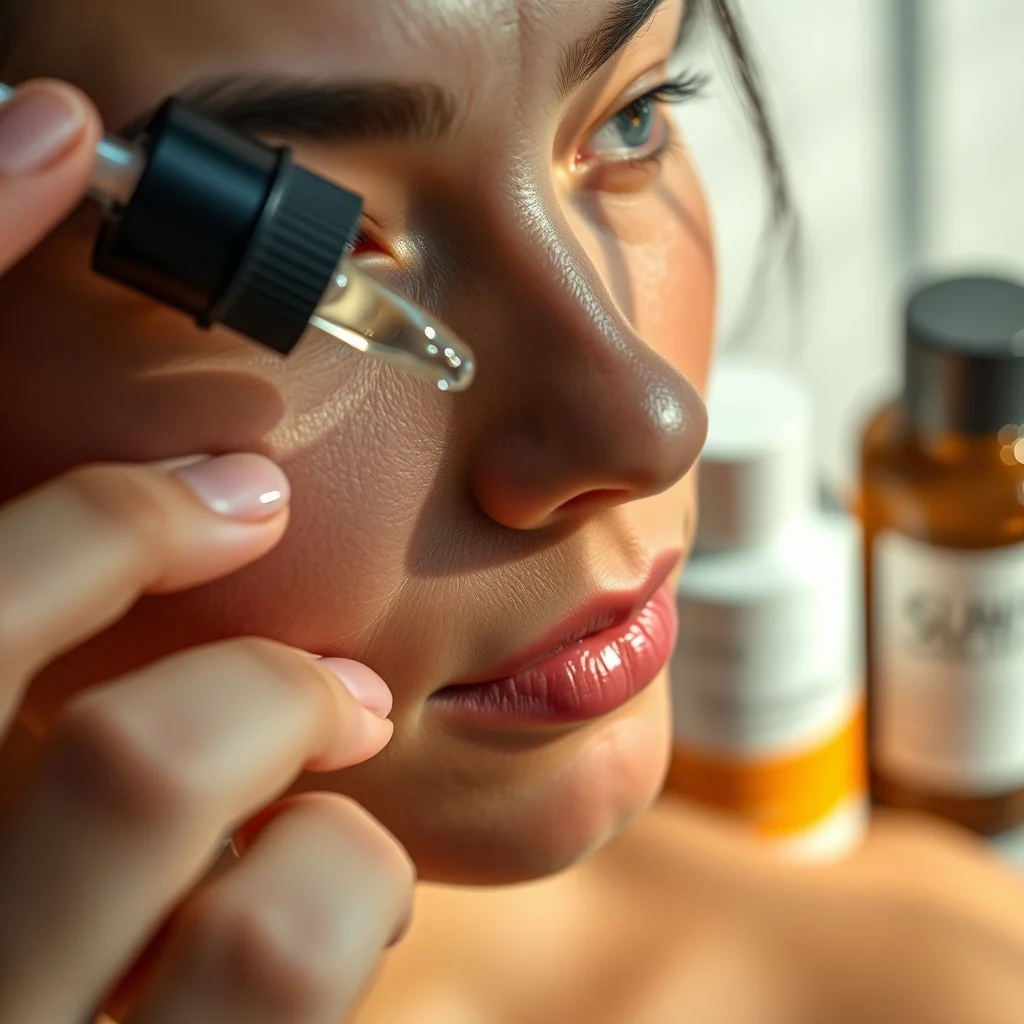
If you have oily skin, you’ve likely battled shine, clogged pores, and breakouts more times than you can count. The good news? Understanding the skincare science behind how ingredients work can transform your routine from guesswork to a targeted strategy. Instead of stripping your skin with harsh products, you’ll learn how to balance oil production, refine pores, and keep breakouts at bay—without overcomplicating your regimen.
Why Oily Skin Needs a Different Approach
Oily skin isn’t just about excess sebum—it’s often a sign of an overactive sebaceous gland responding to factors like hormones, humidity, or even the wrong skincare products. The key is to regulate oil production without disrupting your skin’s natural barrier. Ingredients like niacinamide and salicylic acid work at a cellular level to normalize sebum output, while others help dissolve impurities that lead to congestion.
Many people with oily skin make the mistake of over-cleansing or using alcohol-based toners, which can trigger even more oil production. The science-backed solution? Gentle yet effective ingredients that address the root cause rather than just masking the symptoms. Think of it as retraining your skin to find its balance.
Salicylic Acid: The Pore-Clearing Powerhouse
Salicylic acid is a beta-hydroxy acid (BHA) that penetrates deep into pores to dissolve excess oil and dead skin cells. Unlike physical scrubs, which can cause micro-tears, salicylic acid works chemically to unclog pores without irritation. It’s oil-soluble, meaning it can cut through sebum to reach the source of breakouts.
For best results, look for products with 0.5% to 2% salicylic acid, such as cleansers or leave-on treatments. Start with a lower concentration if you’re new to BHAs, and always follow with a lightweight, non-comedogenic moisturizer. Over time, you’ll notice fewer blackheads and a smoother complexion.
Niacinamide: The Multi-Tasking Regulator
Niacinamide, a form of vitamin B3, is a game-changer for oily skin. It reduces sebum production, minimizes pore appearance, and strengthens the skin barrier—all without causing dryness. Studies have shown that niacinamide can also improve skin texture and even out tone, making it a versatile addition to any routine.
You’ll find niacinamide in serums, moisturizers, and even some cleansers. A concentration of 5% is ideal for targeting oiliness and congestion. Pair it with salicylic acid for a one-two punch against breakouts, or use it alone if your skin is sensitive to acids.
Clay Masks: The Weekly Detox
Clay masks, particularly those with kaolin or bentonite clay, are excellent for absorbing excess oil and drawing out impurities. They work by binding to sebum and debris, leaving your skin feeling refreshed and mattified. Unlike harsh scrubs, clay masks are gentle enough for weekly use.
Apply a thin layer to clean, dry skin and leave it on for 10-15 minutes before rinsing. Avoid letting the mask dry completely, as this can pull moisture from your skin. Follow with a hydrating serum or moisturizer to maintain balance.
Lightweight Moisturizers: The Non-Negotiable Step
Skipping moisturizer is a common mistake for those with oily skin, but dehydration can actually trigger more oil production. The trick is to use lightweight, oil-free formulas that hydrate without clogging pores. Look for ingredients like hyaluronic acid, which attracts water to the skin, or squalane, a non-comedogenic emollient.
Gel-based moisturizers are ideal for oily skin because they absorb quickly and leave a matte finish. Apply them to damp skin to lock in hydration, and don’t forget to use one with SPF during the day to protect against sun damage.
Retinoids: The Long-Term Solution
Retinoids, derived from vitamin A, are one of the most effective ingredients for regulating oil production and preventing breakouts. They work by increasing cell turnover, which helps keep pores clear and reduces the appearance of fine lines over time. However, they can be irritating if not introduced gradually.
Start with a low concentration, such as adapalene (available over the counter), and use it 2-3 times a week at night. Always follow with moisturizer to minimize dryness or peeling. With consistent use, retinoids can transform oily, acne-prone skin into a smoother, more balanced complexion.
Understanding the skincare science behind these ingredients isn’t just about fixing oily skin—it’s about working with your skin’s natural processes. Start with one or two key products, observe how your skin responds, and adjust as needed. For more guidance on safe and effective skincare, visit the American Academy of Dermatology. The right routine doesn’t have to be complicated; it just has to be smart.