
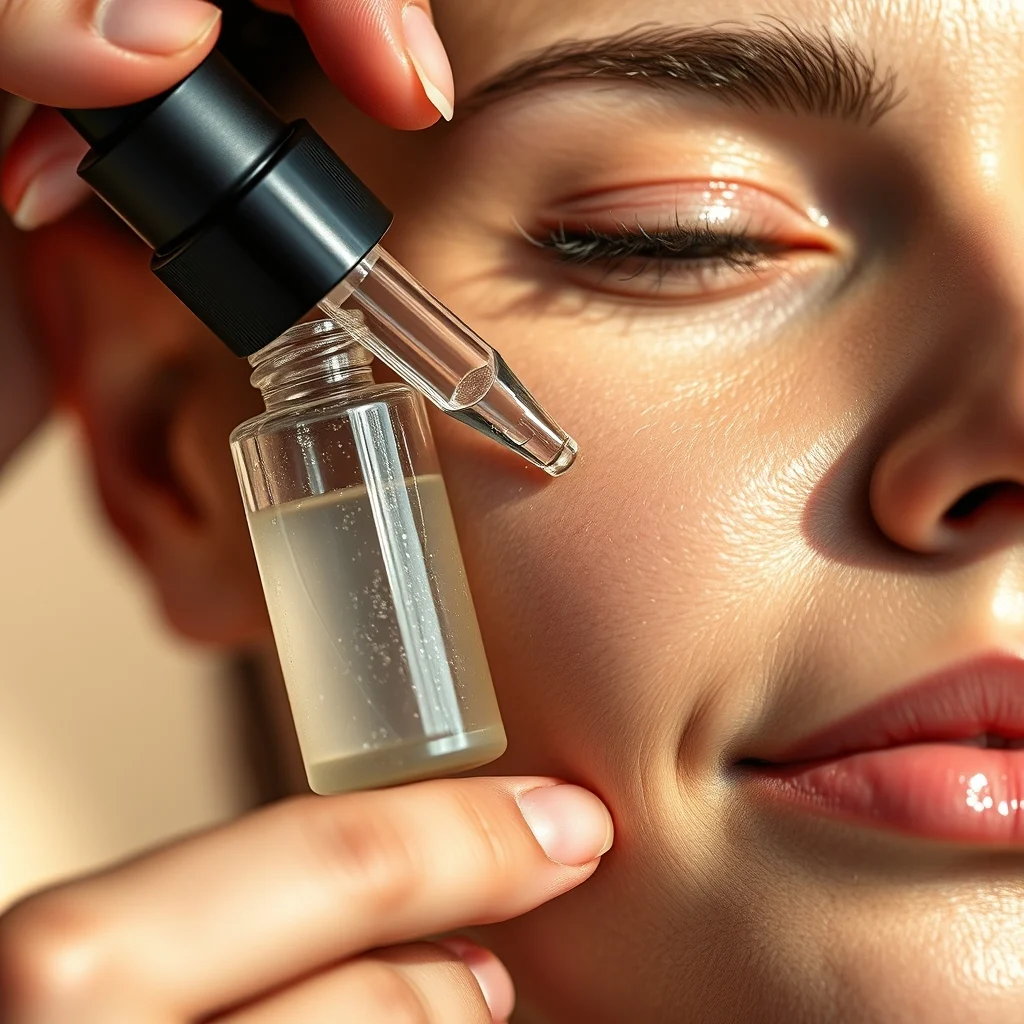
Navigating the world of skincare can feel overwhelming, especially when faced with buzzwords like *peptide actives* and *regenerative ingredients*. Many products promise miracles, but without clear evidence, it’s hard to separate hype from reality. If you’re looking for a smarter way to evaluate skincare—especially those featuring advanced actives like peptides, PDRN, or biotech ingredients—this guide cuts through the noise. Here’s how to make informed choices that align with science-backed results.
Peptides, PDRN (Palmitoyl Dipeptide Retinamide), and other regenerative actives are among the most talked-about ingredients in modern skincare. But not all products deliver what they promise. Understanding how to assess their efficacy, compatibility, and real-world benefits is key to building a routine that works for your skin—not just your wishlist.
This guide dives into the science behind these actives, how to spot high-quality formulations, and what to watch out for. Whether you’re a skincare newbie or a seasoned enthusiast, these insights will help you make choices that prioritize evidence over trends.
Understanding Peptide Actives: What the Science Says
Peptides are short chains of amino acids that act as signaling molecules in the skin. They’re often marketed for their ability to support collagen production, improve elasticity, and reduce the appearance of fine lines. However, not all peptides are created equal. Some are better at stimulating cell activity, while others focus on hydration or barrier repair. The key is to look for clinically studied peptides—like Matrixyl, Argireline, or Copper Peptides—rather than generic blends. These have been tested in controlled settings to show measurable results, making them a safer bet for evidence-based skincare.
When reviewing products, check the ingredient list for specific peptide names rather than vague terms like “peptide complex.” The concentration also matters; formulations with 2-5% of active peptides tend to be more effective. Pairing peptides with other proven actives, such as vitamin C or niacinamide, can enhance their benefits without overloading your skin. Always patch-test new products to ensure compatibility, especially if you have sensitive skin or allergies.
Beyond peptides, ingredients like PDRN (a next-gen retinol alternative) and other biotech-derived actives are gaining traction. These are designed to mimic natural skin processes, often with fewer irritating side effects. However, their efficacy can vary based on formulation. For instance, PDRN works best in encapsulated forms to protect it from degradation, ensuring it reaches deeper skin layers. Always prioritize products that disclose their research-backed actives transparently.
How to Spot High-Quality Formulations with Regenerative Actives
Not every product with peptides or advanced actives is worth your investment. The first step is to scrutinize the ingredient list for transparency. Reputable brands list their key actives prominently and provide clear concentrations. Avoid products that use proprietary blends without specifying the percentages of active ingredients—this is a red flag for potential filler-heavy formulas.
Look for products that have undergone third-party testing or have been reviewed in dermatological journals. While individual studies aren’t always required, brands that invest in research often highlight their findings on packaging or websites. Additionally, consider the product’s pH balance and preservative system. Peptides and sensitive actives work best in formulations with a pH between 4.5 and 5.5, mimicking the skin’s natural acidity. Strong preservatives, like those containing phenoxyethanol or broad-spectrum options, help maintain the product’s integrity over time.
Another telltale sign of a well-formulated product is its texture and packaging. Serums and lightweight creams are ideal for delivering actives like peptides, as they allow for better absorption. Dark, airless pumps or opaque bottles protect light-sensitive ingredients from breaking down. If a product feels gritty, overly fragranced, or has an inconsistent texture, it might not be delivering its actives effectively. Trust your senses—if something feels off, it probably is.
Common Mistakes to Avoid When Evaluating Skincare with Advanced Actives
One of the biggest pitfalls in skincare is assuming that more is better. Layering multiple peptide-rich products or combining them with harsh actives (like high-percentage retinol) can lead to irritation, redness, or even diminished results. Start with one peptide-based product at a time, introducing it gradually into your routine. Give your skin at least 4-6 weeks to adapt before adding another active. This approach helps you identify how your skin responds and avoids overwhelming it.
Another mistake is ignoring your skin’s current needs. Peptides and regenerative actives are fantastic for anti-aging, but they won’t address issues like active breakouts or severe dryness. If your skin is inflamed or compromised, focus on calming ingredients like centella asiatica or ceramides first. Once your skin barrier is stable, you can introduce peptides and other advanced actives. Always tailor your routine to your skin’s specific concerns rather than chasing trends.
Finally, don’t fall for marketing jargon that promises “instant results” or “miracle cures.” Skincare is a long-term investment, and visible changes from peptides or regenerative actives typically take weeks to months. If a product claims to deliver dramatic improvements overnight, it’s likely overpromising. Stick to brands that emphasize gradual, sustainable improvements backed by science.
Pairing Peptides with Other Evidence-Based Ingredients
Peptides work best when combined with complementary ingredients that support their benefits. Vitamin C, for example, brightens the skin and enhances collagen synthesis, making it a perfect pair for peptides. Using a vitamin C serum in the morning and a peptide-rich cream at night creates a synergistic effect, addressing both signs of aging and skin renewal. Similarly, hyaluronic acid can boost hydration, ensuring peptides are delivered to well-moisturized skin for optimal absorption.
Niacinamide is another powerhouse to pair with peptides. It strengthens the skin barrier, reduces redness, and regulates oil production, making it ideal for those with sensitive or combination skin. Together, these ingredients create a balanced routine that supports long-term skin health. Always introduce new combinations slowly, monitoring your skin’s reaction to avoid irritation. If you’re unsure about mixing actives, consult a dermatologist or start with a simplified routine to assess compatibility.
Don’t overlook the importance of sunscreen in any peptide-based routine. Peptides help improve skin texture and elasticity, but they can’t protect against UV damage, which accelerates aging. Pair your peptide products with a broad-spectrum SPF 30 or higher to safeguard your results. Even on cloudy days, UV exposure adds up, so making sunscreen a non-negotiable part of your daily routine is essential for maintaining healthy, youthful skin.
Where to Find Trustworthy Sources for Evidence-Based Reviews
With so much information online, it’s easy to get lost in conflicting advice. To ensure you’re making informed decisions, turn to reliable sources that prioritize science over sensationalism. Organizations like the American Academy of Dermatology (AAD) and resources from the FDA offer evidence-based guidance on skincare ingredients and safety. These platforms provide unbiased insights into what works and what doesn’t, helping you cut through the noise.
Additionally, peer-reviewed journals and dermatological studies can offer deeper dives into specific ingredients. While these might not be accessible to everyone, many brands and researchers summarize their findings in layman’s terms on their websites or through reputable skincare blogs. Look for articles that cite clinical trials or long-term studies—these are goldmines for understanding an ingredient’s true potential. If a source doesn’t provide references or relies solely on anecdotal evidence, it’s best to approach its claims with skepticism.
Community forums and Reddit threads can also be valuable, but always cross-reference personal experiences with scientific evidence. What works for one person might not work for another, so take individual testimonials with a grain of salt. Instead, focus on patterns—if multiple people report similar results from a specific product, it’s worth investigating further. However, never replace professional advice with online opinions, especially if you have skin conditions or concerns.
Lastly, consider investing in a dermatologist consultation if you’re unsure about incorporating advanced actives into your routine. A professional can assess your skin’s unique needs and recommend products tailored to your goals. While this might require an upfront cost, the personalized guidance can save you time, money, and frustration in the long run.
Building a skincare routine around evidence-based actives like peptides and regenerative ingredients doesn’t have to be complicated. By focusing on transparency, science-backed formulations, and gradual integration, you can create a regimen that delivers real results. Start with one well-researched product, observe how your skin responds, and build from there. The goal isn’t perfection—it’s progress, backed by what the science says works.
Your skin is your body’s largest organ, and treating it with care means making choices that honor its needs. With the right approach, peptides and advanced actives can become powerful tools in your skincare arsenal—helping you achieve healthier, more resilient skin over time.
You may also like
-
Evidence-Based Product Reviews: Smart Choices for Busy People
-
Evidence-Based Product Reviews: A Barrier-First Approach for Healthier Skin
-
Evidence-Based Product Reviews: A Beginner’s Guide to Smarter Skincare Choices
-
Evidence-Based Product Reviews: A Barrier-First Approach for Healthier Skin
-
Evidence-Based Product Reviews: A Beginner’s Guide to Smarter Skincare Choices