
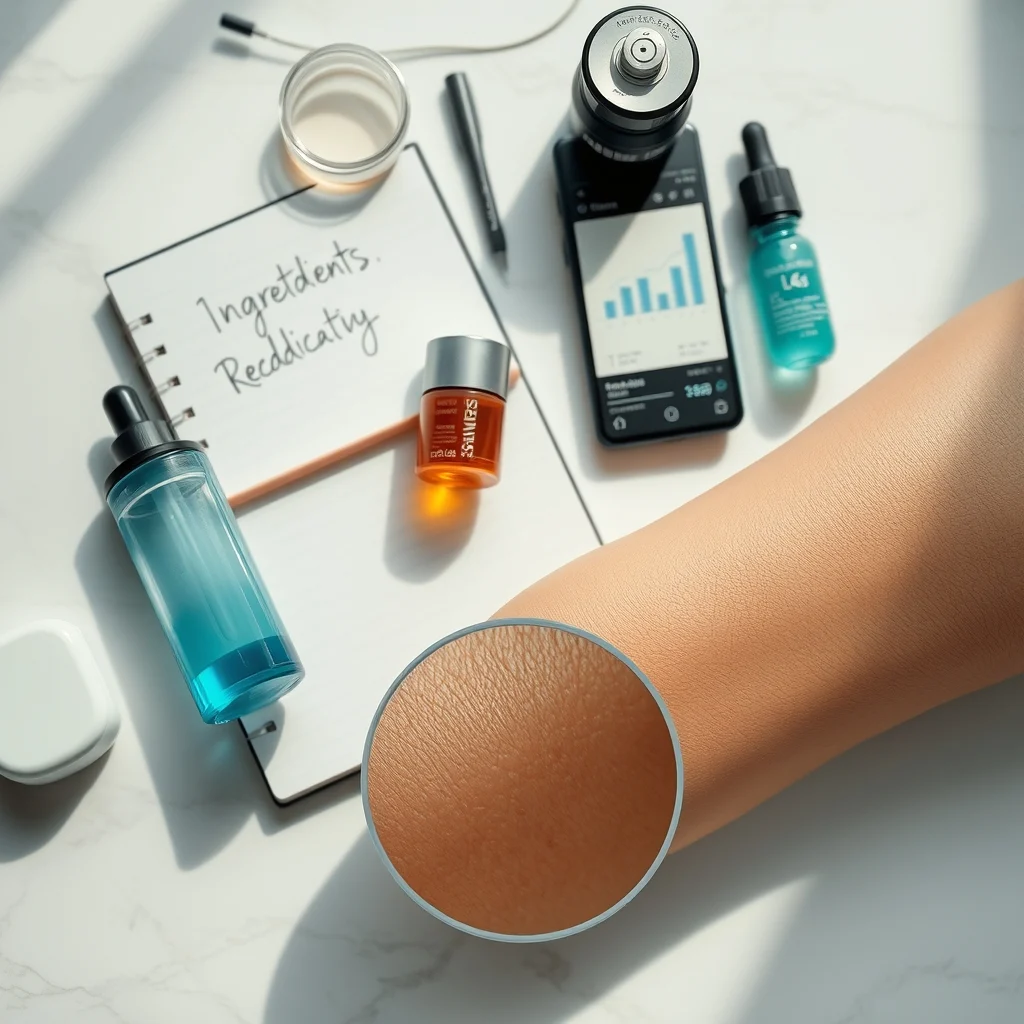
Ever wondered how skincare products *actually* work—or why some claims seem too good to be true? Understanding **clinical studies explained simply** is your key to separating science-backed skincare from marketing hype. Whether you’re new to skincare or curious about the research behind your routine, breaking down clinical studies into digestible insights will empower you to make smarter choices for your skin’s health.
Clinical studies aren’t just for scientists. They’re the foundation of safe, effective products, and knowing how to interpret them can transform your approach to skincare. Let’s demystify the process, so you can confidently navigate labels, ingredients, and trends with clarity.
Clinical studies explained simply starts with understanding the basics: what makes a study reliable, how to spot red flags, and why some ingredients get more attention than others. Ready to dive in?
Why Clinical Studies Matter for Your Skincare
Not all skincare ingredients are created equal. Clinical studies provide the evidence that determines whether a product lives up to its promises. Without them, claims like “reduces wrinkles” or “brightens skin” are just guesswork. For beginners, this means you can trust products backed by real data rather than relying on trends or celebrity endorsements.
Think of clinical studies as the “how” behind the “what.” They answer critical questions: Does this ingredient work? Under what conditions? For whom? The answers help you tailor your routine to your skin’s unique needs, whether you’re dealing with dryness, oiliness, or sensitivity.
For example, ingredients like niacinamide or hyaluronic acid have been studied extensively, giving us confidence in their benefits. But even familiar names can have nuances—like how a study’s duration or participant group might affect results. Understanding these details helps you apply findings to your own skincare journey.
How to Read a Skincare Study Like a Pro
Clinical studies can feel overwhelming, but focusing on a few key elements makes them accessible. Start by looking at the **study design**: Was it a controlled trial, or just a small group test? Controlled studies (where participants are randomly assigned to different groups) tend to be more reliable because they minimize bias.
Next, check the **participant group**. Did the study include people with skin types similar to yours? For instance, a study on acne treatments might not apply to dry, sensitive skin. Always ask: *Who was involved, and how does that relate to me?*
Finally, pay attention to the **outcomes measured**. Did the study track improvement in redness, texture, or hydration? Some studies use self-reported data (like surveys), while others rely on clinical tools (like dermatologist assessments). Both have value, but combining them gives a fuller picture.
Spotting Common Pitfalls in Skincare Studies
Not all studies are equal, and misinterpreting them can lead to disappointment—or even skin irritation. One common mistake is assuming that a single study proves an ingredient’s worth. Science evolves, and more research often refines our understanding. For instance, retinol’s benefits were once debated, but decades of studies now support its use for anti-aging.
Another red flag is **overgeneralizing results**. A product might work wonders in a lab but fail in real-world use due to factors like formulation, climate, or individual skin chemistry. Always consider whether the study’s conditions match your daily routine.
Lastly, be wary of studies funded by the brands selling the products. While not inherently biased, they may highlight positive results while downplaying limitations. Cross-referencing with independent research (like peer-reviewed journals) adds balance to your understanding.
Translating Studies into Your Routine
So, how do you turn clinical insights into action? Start by identifying ingredients with strong evidence behind them. For example, **ceramides** are well-documented for repairing the skin barrier, making them ideal for dry or sensitive skin. Meanwhile, **vitamin C** has consistent data supporting its brightening and antioxidant effects—but its stability in products varies.
When building your routine, prioritize ingredients backed by multiple studies over flashy “new” actives with limited research. Consistency matters too: many skincare benefits take weeks (or months) to appear, so patience is key.
Pro tip: Use apps or databases that summarize studies (like those from reputable sources such as [aad.org](https://www.aad.org)) to quickly assess an ingredient’s credibility. This saves time and helps you focus on what truly works.
When to Trust (and When to Doubt) Skincare Claims
Not every claim needs a clinical study to be valid—some are based on decades of dermatological consensus (like sunscreen protecting against UV damage). However, for newer or trendy ingredients, skepticism is healthy. Ask yourself: *Is this backed by peer-reviewed research, or is it a marketing term?*
Terms like “clinical proof” or “dermatologist-tested” can be vague. Look for specifics: *How many participants? What were the results?* If a product lacks transparency, it’s a sign to dig deeper—or skip it altogether.
Remember, skincare is personal. What works for one person might not for another, and that’s okay. Clinical studies provide a starting point, but your skin’s response is the final judge. Keep a journal to track how products affect you over time.
Your Next Steps: How to Stay Informed
Staying updated on skincare science doesn’t require a medical degree. Follow dermatology organizations, subscribe to evidence-based skincare blogs, and bookmark reliable sources like [fda.gov](https://www.fda.gov) for ingredient safety updates. Even a few minutes of research before buying a new product can save you money—and potential irritation.
Join online communities where enthusiasts share their experiences with studies and products. These spaces often highlight gaps in research or real-world successes that studies might miss. Just remember: anecdotes complement science but don’t replace it.
Finally, don’t be afraid to ask questions. Brands and dermatologists are often happy to share study summaries or direct you to resources. Your skin deserves the best—and that starts with curiosity.
Now that you’re equipped with the basics of **clinical studies explained simply**, you’re ready to approach your skincare routine with confidence. The next time you see a “clinically proven” label, you’ll know exactly what it means—and whether it’s worth your trust.
You may also like
-
Clinical Studies Explained Simply: Quick Tips for Busy People
-
**Clinical Studies Explained Simply: A Barrier-First, Skinimalism Approach**
-
Clinical Studies Explained Simply: A Step-by-Step Guide for Beginners
-
**Clinical Studies Explained Simply: How to Get Started This Week**
-
Clinical Studies Explained: Quick Tips for Busy People