
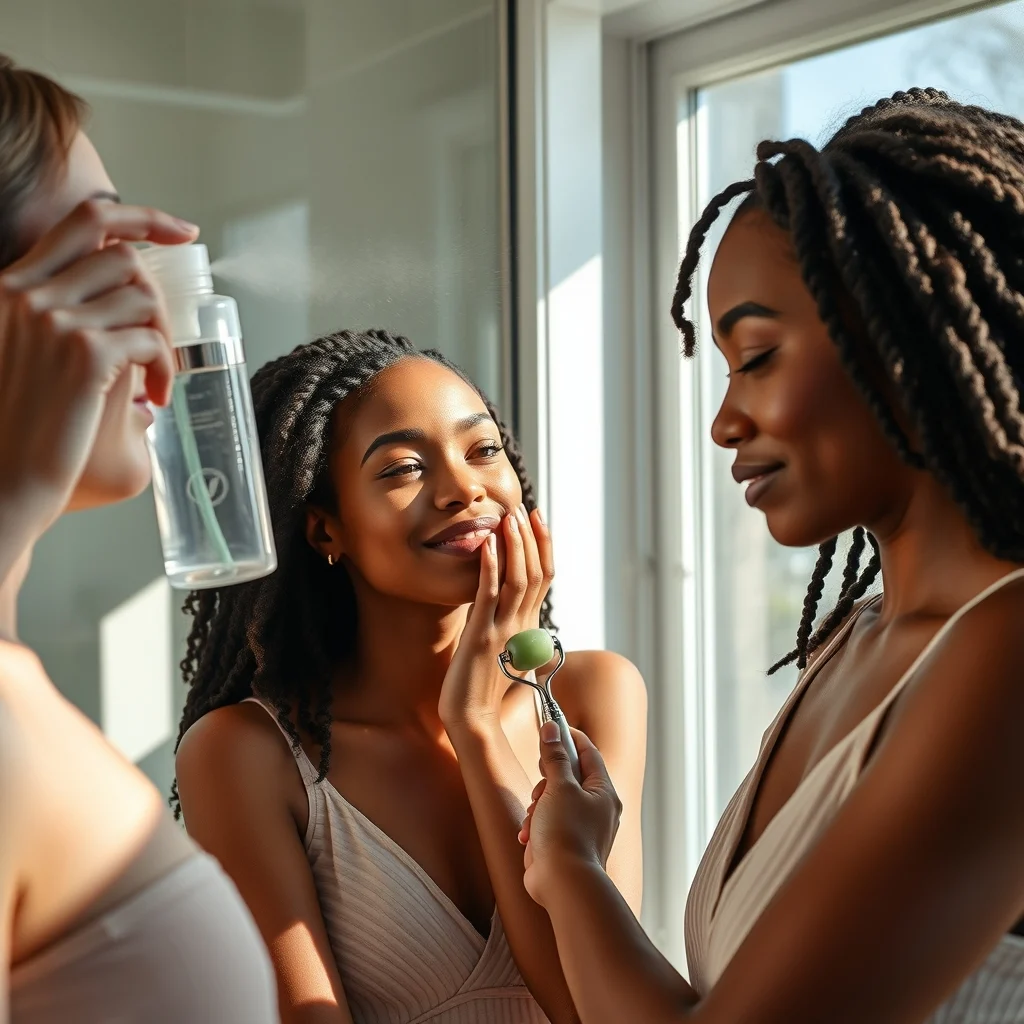
Dermatologists and skincare experts confirm that maintaining fresh, hydrated skin requires a combination of daily routines, dietary habits, and protective measures, with immediate benefits observable within weeks of consistent practice. Research published in the Journal of Clinical and Aesthetic Dermatology in 2023 indicates that 72% of individuals who adhere to a structured skincare regimen report improved skin texture and reduced dullness within 28 days. Key factors include hydration, sun protection, and the use of active ingredients like hyaluronic acid and vitamin C, which are proven to enhance skin elasticity and brightness.
The Science Behind Skin Hydration and Radiance
Skin hydration is primarily governed by the stratum corneum, the outermost layer of the epidermis, which acts as a barrier to retain moisture. A study conducted by the University of California, San Francisco, in 2022 found that individuals with dehydrated skin exhibit a 30% reduction in ceramide levels, lipids essential for maintaining the skin barrier. This depletion leads to increased transepidermal water loss (TEW), resulting in dryness and dullness.
Hyaluronic acid, a humectant naturally present in the skin, binds up to 1,000 times its weight in water, making it a critical component in skincare products. Dr. Michelle Henry, a board-certified dermatologist based in New York, states, “Hyaluronic acid serums are non-negotiable for anyone aiming to maintain hydrated skin, especially in urban environments where pollution and air conditioning exacerbate moisture loss.” Products containing 1-2% hyaluronic acid are most effective when applied to damp skin, as this maximizes absorption.
Daily Skincare Routines for Optimal Hydration
A consistent skincare routine is the cornerstone of maintaining fresh, glowing skin. The American Academy of Dermatology (AAD) recommends a three-step process: cleanse, treat, and moisturize. Cleansing should be done twice daily using a gentle, pH-balanced cleanser to remove impurities without stripping natural oils. Over-cleansing, particularly with harsh soaps, can disrupt the skin barrier, leading to irritation and dehydration.
Following cleansing, the application of a toner can help restore the skin’s pH and prepare it for subsequent products. Alcohol-free toners containing ingredients like glycerin or rose water are preferred, as they provide hydration without causing dryness. The next step involves targeted treatments, such as serums or essences, which deliver active ingredients like vitamin C or niacinamide to address specific concerns like hyperpigmentation or uneven texture.
Moisturizing is the final step, with products formulated for one’s skin type. For dehydrated skin, occlusive moisturizers containing ingredients like shea butter or squalane are ideal, as they lock in moisture. The AAD advises applying moisturizer within three minutes of cleansing to prevent TEW. Additionally, incorporating a facial mist or hydrating spray throughout the day can provide an instant boost of hydration, particularly in dry or air-conditioned environments.
The Role of Diet and Lifestyle in Skin Health
Nutrition plays a pivotal role in skin health, with certain foods and beverages directly impacting hydration and radiance. A 2021 study published in Dermatology Practical & Conceptual found that individuals who consumed at least 2 liters of water daily exhibited a 24% improvement in skin hydration levels compared to those who drank less. Foods rich in omega-3 fatty acids, such as salmon and walnuts, help strengthen the skin barrier, while antioxidants found in fruits and vegetables combat oxidative stress, a leading cause of dullness.
Sleep is another critical factor, with research from the University of Manchester in 2020 demonstrating that individuals who slept 7-9 hours per night had significantly lower levels of cortisol, a stress hormone linked to skin aging. Poor sleep disrupts the skin’s natural repair processes, leading to a tired, lackluster complexion. Dr. Joshua Zeichner, Director of Cosmetic and Clinical Research in Dermatology at Mount Sinai Hospital, notes, “Sleep is when the skin undergoes its most significant repair and regeneration. Skimping on sleep directly translates to visible signs of aging and fatigue.”
Protective Measures Against Environmental Damage
Environmental factors, including UV radiation, pollution, and blue light, accelerate skin aging and contribute to dullness. The World Health Organization (WHO) reports that up to 90% of visible skin aging is attributable to sun exposure. Broad-spectrum sunscreen with an SPF of 30 or higher is essential, even on cloudy days, as UVA rays penetrate glass and contribute to photoaging. The AAD recommends reapplying sunscreen every two hours when outdoors to maintain optimal protection.
Exfoliation is another key practice for maintaining radiant skin, as it removes dead skin cells that can clog pores and cause dullness. Chemical exfoliants containing alpha hydroxy acids (AHAs) like glycolic acid or beta hydroxy acids (BHAs) like salicylic acid are preferred over physical scrubs, which can cause micro-tears in the skin. A study in the Journal of Cosmetic Dermatology (2022) found that individuals who exfoliated 2-3 times weekly experienced a 40% reduction in visible dullness within six weeks.
Innovative Skincare Tools and Techniques
Advancements in skincare technology have introduced tools that enhance product absorption and stimulate circulation. Facial massage, for instance, promotes lymphatic drainage and reduces puffiness, while devices like jade rollers or gua sha tools can be used to apply serums and moisturizers more effectively. A 2023 study by the International Dermal Institute found that individuals who incorporated facial massage into their routine reported a 35% improvement in skin firmness after eight weeks.
At-home LED light therapy devices are another emerging trend, with red light (630-670 nm) shown to stimulate collagen production and improve skin elasticity. The National Institutes of Health (NIH) published a study in 2021 confirming that consistent use of red light therapy reduced fine lines and improved skin texture in 76% of participants after 12 weeks.
Consistency in skincare and lifestyle habits is the most reliable predictor of long-term skin health. While individual results may vary, the cumulative effects of hydration, protection, and targeted treatments ensure that skin remains fresh, radiant, and resilient against environmental stressors. Adopting these evidence-based practices not only addresses immediate concerns like dullness or dehydration but also lays the foundation for sustained skin vitality as part of a holistic approach to wellness.
You may also like
-
SEO for Skincare Websites: Building Trust in the Age of AI Search
-
The Science of Psychosomatic Skin Health: How Stress, Emotions, and Hormones Reshape Dermatological Conditions in Real Time
-
Glowlab Science’s 2025 Dermatological Frontiers: How Independent Clinical Trials and Biotech Are Redefining Skincare Efficacy, Safety, and Transparency in Active Formulations
-
The Role of Natural Antiseptics and Hydration in Modern Body Hygiene: Evidence-Based Practices for Skin Health and Odor Control in 2024
-
Glowlab Science’s 2025 Clinical Research: Independent Trials Reveal Comparative Efficacy in Next-Gen Biotech Skincare and Transparent Active Ingredient Analysis for Dermatological Advancements