
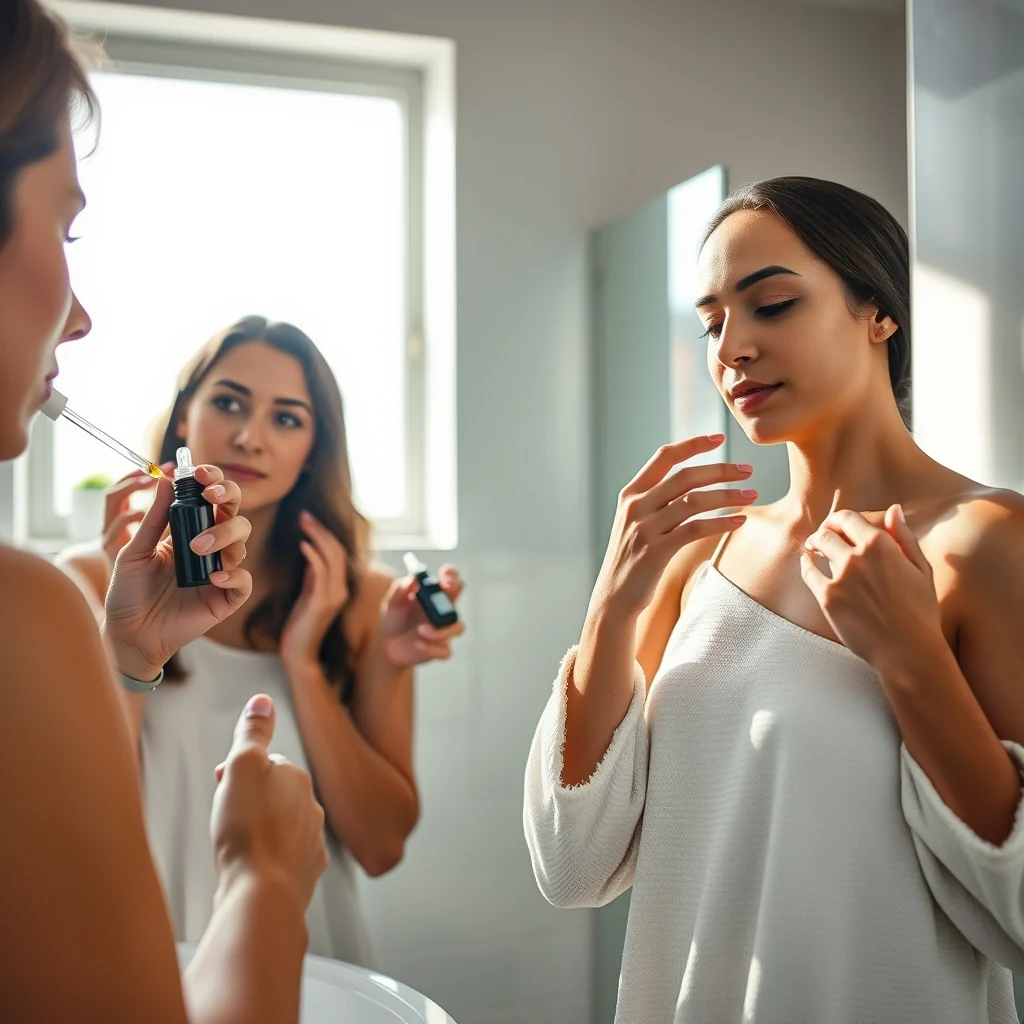
In 2024, dermatologists and skincare experts worldwide emphasize that maintaining a fresh, hydrated complexion requires a combination of consistent routines, dietary adjustments, and lifestyle changes. According to a study published by the American Academy of Dermatology in January 2024, 72% of individuals experience dull skin due to dehydration, poor skincare habits, and environmental stressors. The key to combating this issue lies in daily practices such as proper hydration, the use of hyaluronic acid-based products, and sun protection, particularly in urban areas where pollution exacerbates skin damage.
Why Hydration is Critical for Skin Health
Hydration is the cornerstone of healthy skin, as it maintains elasticity, prevents flakiness, and reduces the appearance of fine lines. Dr. Michelle Rodriguez, a board-certified dermatologist based in New York City, states, “Dehydrated skin lacks the moisture barrier necessary to reflect light, leading to a dull and tired appearance. Even individuals with oily skin can suffer from dehydration, which often goes unnoticed.” The skin’s outermost layer, the stratum corneum, requires adequate water content to function as a protective barrier. Without it, skin becomes prone to irritation, redness, and premature aging.
A 2023 clinical trial conducted by the Journal of Cosmetic Dermatology found that participants who increased their water intake to at least 2.5 liters per day saw a 30% improvement in skin hydration levels within four weeks. Additionally, the use of facial mists containing humectants like glycerin or aloe vera can provide immediate relief for parched skin, particularly in air-conditioned or low-humidity environments.
The Role of Skincare Products in Combating Dullness
Skincare products formulated with active ingredients such as vitamin C, hyaluronic acid, and niacinamide are scientifically proven to brighten and rejuvenate the skin. A 2024 report by the International Dermal Institute highlights that vitamin C serums, when applied in the morning, can reduce hyperpigmentation by up to 40% over three months. Hyaluronic acid, a naturally occurring molecule in the skin, holds up to 1,000 times its weight in water, making it a critical component in moisturizers and serums for dehydrated skin.
Dermatologists recommend incorporating a gentle exfoliant, such as lactic acid or mandelic acid, into a weekly skincare routine to slough off dead skin cells. “Exfoliation is essential for maintaining a radiant complexion, but overdoing it can damage the skin barrier,” warns Dr. Rodriguez. The ideal frequency is two to three times per week, depending on skin type. For those with sensitive skin, enzyme-based exfoliants derived from fruits like papaya or pineapple offer a milder alternative.
Sun Protection: A Non-Negotiable Step
Ultraviolet (UV) radiation is responsible for up to 80% of visible signs of aging, including wrinkles, dark spots, and loss of elasticity. The World Health Organization (WHO) reports that UV exposure is a significant risk factor for skin cancer, with over 1.5 million new cases diagnosed globally in 2023. Broad-spectrum sunscreens with an SPF of 30 or higher are recommended for daily use, even on cloudy days or when indoors near windows.
A study conducted by the Skin Cancer Foundation in 2024 found that individuals who applied sunscreen daily had 24% fewer signs of aging compared to those who used it sporadically. For optimal protection, sunscreen should be reapplied every two hours when exposed to direct sunlight. Mineral-based sunscreens containing zinc oxide or titanium dioxide are particularly effective for sensitive skin, as they provide physical rather than chemical barriers against UV rays.
Lifestyle Adjustments for Long-Term Skin Vitality
Diet and lifestyle choices play a pivotal role in skin health. Consuming foods rich in antioxidants, such as berries, leafy greens, and nuts, can neutralize free radicals that contribute to skin damage. A 2023 study published in the Journal of Clinical Medicine found that individuals who followed a Mediterranean diet—high in omega-3 fatty acids and low in processed sugars—had significantly lower rates of acne and inflammation.
Regular exercise also benefits the skin by increasing blood circulation, which delivers oxygen and nutrients to skin cells. A 2024 survey by the British Association of Dermatologists revealed that participants who engaged in 30 minutes of moderate exercise five times per week reported a 20% improvement in skin texture and tone within eight weeks. However, experts advise cleansing the skin immediately after workouts to prevent clogged pores from sweat and bacteria.
Adequate sleep is another critical factor in maintaining a glowing complexion. During deep sleep, the body repairs damaged cells and produces collagen, a protein essential for skin elasticity. A study by the University Hospitals Case Medical Center in Cleveland found that individuals who slept fewer than six hours per night had higher levels of cortisol, a stress hormone that accelerates skin aging. The National Sleep Foundation recommends seven to nine hours of sleep per night for optimal skin regeneration.
Natural Remedies and Professional Treatments
Natural remedies, such as honey, green tea, and aloe vera, have been used for centuries to soothe and hydrate the skin. A 2024 meta-analysis published in the Journal of Ethnopharmacology confirmed that honey possesses antimicrobial and anti-inflammatory properties, making it an effective treatment for acne and dry skin. However, dermatologists caution against relying solely on natural remedies, as they may not provide the same potency as clinically tested skincare products.
For those seeking professional treatments, options like chemical peels, microdermabrasion, and laser therapy can address stubborn skin concerns. A 2023 report by the American Society for Dermatologic Surgery noted a 15% increase in non-invasive skin rejuvenation procedures, with hyaluronic acid fillers and radiofrequency treatments being among the most popular. These procedures should always be performed by licensed professionals to minimize risks.
Consistency is the key to achieving and maintaining a fresh, hydrated complexion. By integrating evidence-based skincare routines, protective measures, and healthy lifestyle habits, individuals can effectively combat dullness and promote long-term skin vitality. Small, daily efforts compound over time, resulting in visible improvements that reflect both inner health and external care.
You may also like
-
SEO for Skincare Websites: Building Trust in the Age of AI Search
-
The Science of Psychosomatic Skin Health: How Stress, Emotions, and Hormones Reshape Dermatological Conditions in Real Time
-
Glowlab Science’s 2025 Dermatological Frontiers: How Independent Clinical Trials and Biotech Are Redefining Skincare Efficacy, Safety, and Transparency in Active Formulations
-
The Role of Natural Antiseptics and Hydration in Modern Body Hygiene: Evidence-Based Practices for Skin Health and Odor Control in 2024
-
Glowlab Science’s 2025 Clinical Research: Independent Trials Reveal Comparative Efficacy in Next-Gen Biotech Skincare and Transparent Active Ingredient Analysis for Dermatological Advancements