
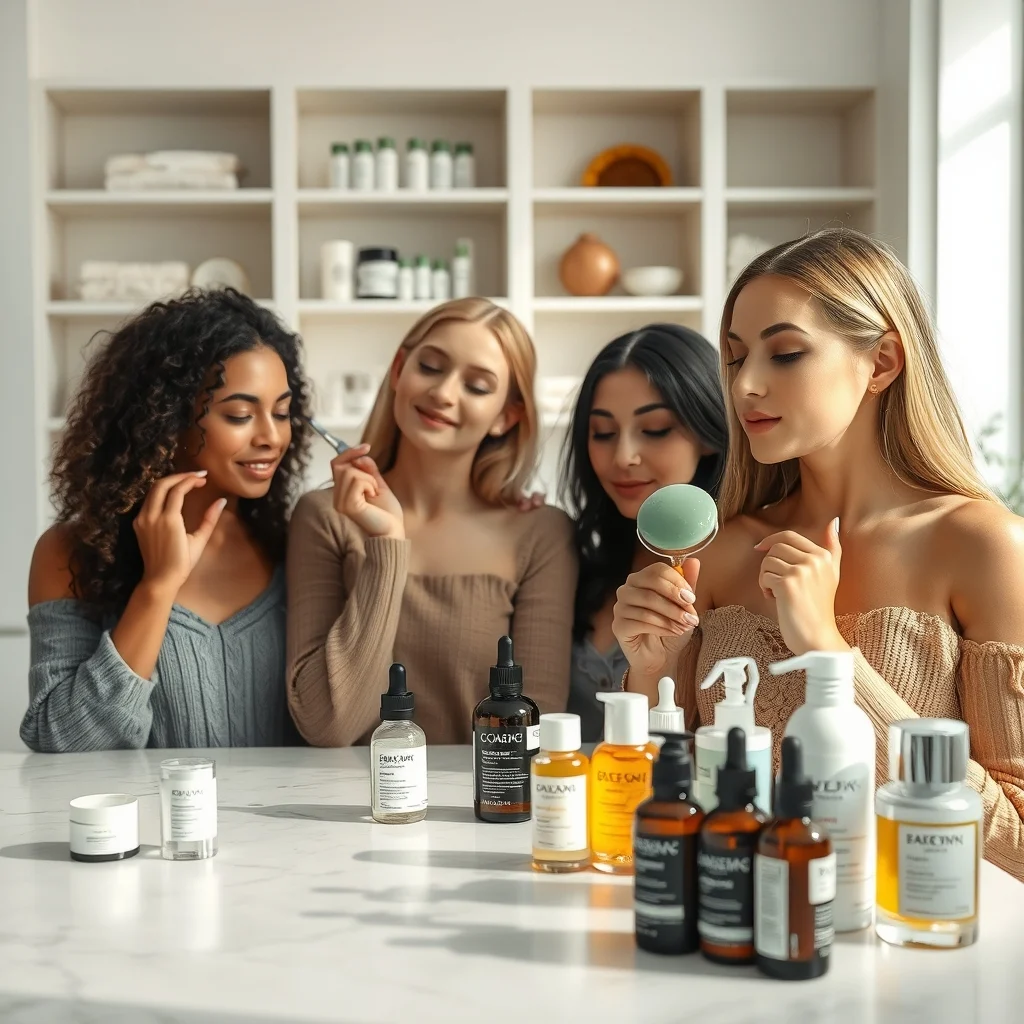
Imagine waking up to skin that looks effortlessly radiant, no matter the season or stress levels. The secret isn’t just in the products you use—it’s in how you layer them. Beauty and skincare aren’t one-size-fits-all, and mastering the art of layering can transform your routine from guesswork into a tailored ritual that evolves with your skin’s changing needs. Whether you’re battling dryness, oiliness, or the occasional breakout, the right combination of products applied in the correct order can make all the difference.
The Science Behind Layering in Skincare
Layering isn’t just about piling on products—it’s a strategic approach to ensure each ingredient penetrates effectively. The skin’s barrier functions like a gatekeeper, allowing some ingredients to pass through while blocking others. For instance, water-based serums absorb best when applied to damp skin, while oil-based products seal in moisture. Understanding this principle helps you maximize the benefits of each product without wasting time or money on ineffective combinations.
Research shows that the order of application impacts absorption rates. A study published in the Journal of Cosmetic Dermatology found that applying products from thinnest to thickest consistency optimizes their efficacy. This means starting with lightweight toners or essences and gradually building up to richer creams or oils. Skipping this step can lead to pilling, reduced absorption, or even irritation, especially if active ingredients like retinol or vitamin C are involved.
How to Customize Your Layering Routine for Different Skin Types
Not all skin is created equal, and neither should your routine be. For dry skin, layering begins with a hydrating toner or essence, followed by a hyaluronic acid serum, and topped with a nourishing cream or facial oil. The goal is to lock in moisture at every step. On the other hand, oily or acne-prone skin benefits from lightweight, non-comedogenic layers like a balancing toner, niacinamide serum, and a gel-based moisturizer. Overloading oily skin with heavy creams can clog pores, so less is often more.
For combination skin, the key is balance. Focus on hydrating the dry areas while keeping the T-zone in check. A lightweight serum like vitamin C can brighten the entire face, while a targeted moisturizer can address specific concerns. Sensitive skin requires extra caution—opt for fragrance-free, soothing layers like aloe vera gel or ceramides to avoid irritation. Always patch-test new products before incorporating them into your routine.
Morning vs. Night: Tailoring Your Layers for Day and Night
Your skin’s needs shift from day to night, and your layering routine should reflect that. In the morning, prioritize protection with antioxidants like vitamin C and a broad-spectrum sunscreen. These layers shield your skin from environmental damage while prepping it for the day ahead. A lightweight moisturizer can provide hydration without feeling greasy under makeup.
At night, your skin goes into repair mode. This is the time to layer on richer, reparative ingredients like retinol, peptides, or overnight masks. Start with a gentle cleanser, followed by a treatment serum, and finish with a nourishing night cream or sleeping mask. The absence of sun exposure allows these active ingredients to work their magic without interference.
Common Layering Mistakes to Avoid
Even the most well-intentioned skincare routines can go awry if layering mistakes are made. One of the biggest errors is applying products too quickly. Allowing each layer to absorb for 30-60 seconds ensures maximum efficacy. Another common pitfall is mixing incompatible ingredients, like retinol and vitamin C, which can cancel each other out or cause irritation. Instead, use them at different times of the day or on alternate days.
Over-exfoliating is another layering misstep. While exfoliants like AHAs or BHAs are great for sloughing off dead skin, using them too frequently can compromise your skin barrier. Limit exfoliation to 2-3 times a week and always follow with hydrating layers to soothe the skin. Lastly, don’t forget to adjust your routine seasonally—what works in humid summer months may not suffice in winter’s dry air.
Pro Tips for Mastering the Art of Layering
Start with a clean canvas. Always begin your routine with a gentle cleanser to remove impurities and prep your skin for absorption. If you’re using multiple serums, apply the one with the most active ingredients first—this ensures it penetrates deeply. For example, if you’re using both vitamin C and hyaluronic acid, apply the vitamin C first to brighten, then follow with hyaluronic acid to hydrate.
Don’t underestimate the power of a good facial mist. Spritzing your skin between layers can enhance absorption and provide an extra boost of hydration. Additionally, consider using a jade roller or gua sha tool to help products penetrate deeper while reducing puffiness. These tools not only feel luxurious but also improve circulation for a natural glow.
Finally, listen to your skin. If a product feels too heavy or causes irritation, don’t force it. Skincare is personal, and what works for one person may not work for another. Keep a journal to track how your skin responds to different layers, and adjust accordingly. With patience and experimentation, you’ll find the perfect combination that leaves your skin looking its best, day after day.
Your skin is a reflection of how well you care for it, and layering is the key to unlocking its full potential. By understanding the science, customizing your approach, and avoiding common pitfalls, you can create a routine that adapts to your skin’s ever-changing needs. Start small, observe the results, and let your skin guide you toward a healthier, more radiant complexion.
You may also like
-
SEO for Skincare Websites: Building Trust in the Age of AI Search
-
The Science of Psychosomatic Skin Health: How Stress, Emotions, and Hormones Reshape Dermatological Conditions in Real Time
-
Glowlab Science’s 2025 Dermatological Frontiers: How Independent Clinical Trials and Biotech Are Redefining Skincare Efficacy, Safety, and Transparency in Active Formulations
-
The Role of Natural Antiseptics and Hydration in Modern Body Hygiene: Evidence-Based Practices for Skin Health and Odor Control in 2024
-
Glowlab Science’s 2025 Clinical Research: Independent Trials Reveal Comparative Efficacy in Next-Gen Biotech Skincare and Transparent Active Ingredient Analysis for Dermatological Advancements