
When someone searches for a moisturizer for sensitive skin or a way to fade dark spots, they need more than a polished product description. They need clear, reliable information that helps them make a choice without putting their skin at risk. For beauty publishers, dermatology practices, and skincare brands, effective SEO begins with meeting that need—and making the source and limits of the advice easy to understand.
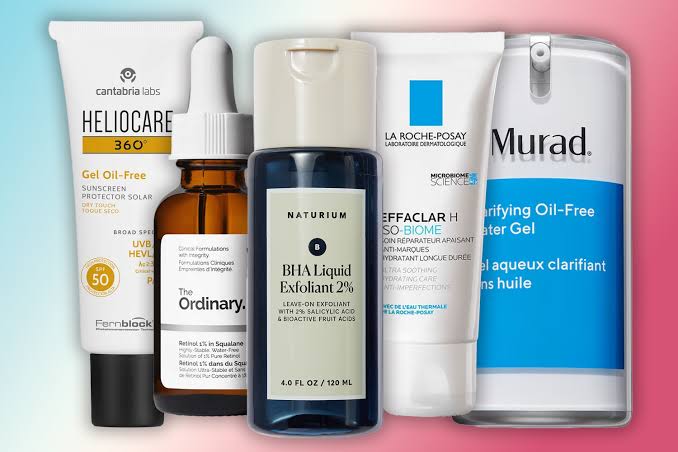
Search is changing as AI tools summarize information and answer questions directly. That makes useful, trustworthy content especially important. A page can be easy for a search system to interpret, but it still needs to serve the person who arrives there. In skincare, where advice can affect someone’s health and confidence, credibility is not a finishing touch; it is part of the content itself.
What trust looks like in skincare content
E-E-A-T stands for experience, expertise, authoritativeness, and trustworthiness. It is a way of thinking about content quality, not a checklist that guarantees a particular search position. The principles are practical for skincare websites because readers need to know whether an article reflects relevant knowledge, who created it, and how carefully it handles claims. This overview of E-E-A-T and AI search explains why these signals matter as search experiences evolve.
Experience can come from a clearly described testing process, a practitioner’s day-to-day work, or a writer’s firsthand account—provided the page distinguishes personal experience from general medical guidance. Expertise means using appropriate knowledge and explaining technical terms rather than relying on impressive-sounding language. Authoritativeness grows when a site consistently publishes useful work in its area. Trustworthiness depends on accuracy, transparency, and a willingness to correct or qualify information.
Make claims specific and responsible
Skincare copy often slips into broad promises: “clears acne,” “repairs your barrier,” or “works for every skin type.” Such statements may sound confident, but they can leave readers uncertain about what a product can realistically do. Explain which concern a product is intended to address, what its ingredients are generally used for, and what a reader should keep in mind when trying it.
For example, an article about retinoids can describe gradual introduction and the possibility of dryness or irritation, rather than implying that everyone should use one. A guide to exfoliation can explain that frequency depends on the formula and the person’s tolerance. Avoid presenting a cosmetic product as a treatment for a medical condition. If advice is general, say so; if a concern is persistent or severe, recommend consulting a qualified professional.
Evidence also deserves context. A study on an ingredient does not automatically prove that every product containing it will produce the same result. Be clear about what research does and does not show, and avoid citing a scientific-sounding claim without enough explanation for readers to assess it.
Show readers who is behind the advice
A useful author profile can include relevant experience, qualifications, and the topics the writer is equipped to cover. When a dermatologist or other qualified professional reviews an article, identify their role and what they reviewed. Do not imply that a professional endorses a product if they simply checked an article for general accuracy.
Editorial details matter, too. Add publication or update dates when they help readers judge whether the information is current. Make it easy to contact the site, understand its review process, and distinguish educational content from product promotion. If a recommendation is based on hands-on testing, explain how the products were assessed. If it is not, do not suggest that it was.
Structure pages around real questions
People rarely search using the same language brands use internally. They ask whether a cleanser can feel tight after use, how to layer a serum, or what to do when a new product causes redness. Organize pages around these concerns with descriptive headings, direct answers, and enough context to prevent a short answer from being misunderstood.
Readable structure helps people scan and can help search systems interpret a page, but structure should not replace substance. Avoid creating many near-identical pages for small keyword variations. A comprehensive, carefully maintained guide is often more useful than several thin articles repeating the same advice. Include relevant ingredient names and common terms naturally, without forcing them into every paragraph.
Use video to make explanations clearer
Video can demonstrate a product texture, show the order of a simple routine, or let an expert explain a common misconception. It works best when it adds something that text alone cannot convey. Keep the presentation calm and precise: avoid dramatic “before and after” claims that lack context, and include captions so viewers can follow along without sound. A written summary alongside the video also makes the information easier to revisit.
If you hire a freelance editor, look for someone who can handle more than cuts and transitions. Ask about experience with educational content, captioning, pacing, and revisions. Osdire’s guide to questions to ask a video editor can help you prepare for that conversation. A clear brief should state the intended audience, key points, preferred tone, and any claims that must be preserved accurately.
Measure usefulness, not just visibility
Search traffic can indicate that a page is being discovered, but it cannot tell you whether its guidance is clear or appropriate. Pay attention to the questions readers ask, the sections they return to, and whether content needs updating as products, evidence, or recommendations change. Feedback can reveal confusing language or gaps that keyword research alone will miss.
Strong skincare SEO is ultimately a service to the reader. Write for the person trying to make a thoughtful choice, be candid about uncertainty, and make the source of advice visible. When helpful information and credible presentation work together, a website has a better foundation for earning both reader confidence and lasting search visibility.
You may also like
-
The Science of Psychosomatic Skin Health: How Stress, Emotions, and Hormones Reshape Dermatological Conditions in Real Time
-
Glowlab Science’s 2025 Dermatological Frontiers: How Independent Clinical Trials and Biotech Are Redefining Skincare Efficacy, Safety, and Transparency in Active Formulations
-
The Role of Natural Antiseptics and Hydration in Modern Body Hygiene: Evidence-Based Practices for Skin Health and Odor Control in 2024
-
Glowlab Science’s 2025 Clinical Research: Independent Trials Reveal Comparative Efficacy in Next-Gen Biotech Skincare and Transparent Active Ingredient Analysis for Dermatological Advancements
-
Sustainable Fashion: A 360-Degree Examination of Its Evolution, Mechanics, and Global Impact