
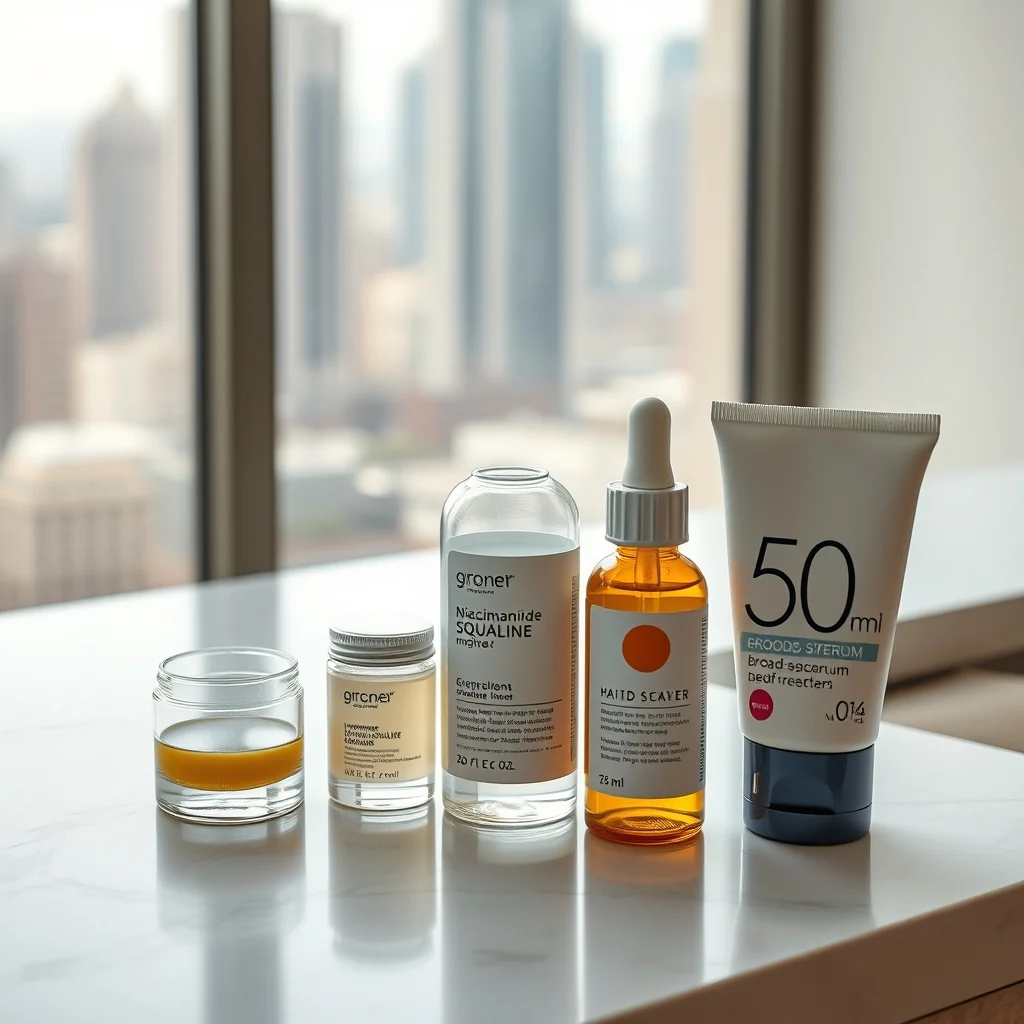
Ever feel like your skincare routine is more complicated than a science experiment? You’re not alone. With endless products promising miracles, it’s easy to get overwhelmed—especially when you’re short on time. Understanding how **skincare science** and ingredients work can simplify your routine and help you achieve healthier skin without the guesswork.
Most skincare routines focus on layering products, but the real magic lies in knowing why certain ingredients work and how they interact with your skin. Whether you’re dealing with dry patches, oily shine, or just want to keep things simple, grasping the basics of ingredient functionality can save you time, money, and frustration. Let’s break it down in a way that fits seamlessly into your busy schedule.
Start with the Basics: What Your Skin Actually Needs
Your skin’s primary job is to act as a protective barrier, keeping out irritants and locking in moisture. When this barrier is compromised—whether from environmental stressors, harsh products, or genetics—your skin becomes more susceptible to issues like redness, dryness, or breakouts. The key to effective skincare isn’t just slapping on products; it’s understanding how ingredients can either repair or disrupt this barrier.
For busy individuals, the goal is simplicity. Focus on a few multi-functional ingredients that address multiple concerns at once. For example, hyaluronic acid hydrates and plumps, while niacinamide soothes and strengthens the skin’s defense. These ingredients are versatile and can be easily incorporated into a morning or evening routine without extra steps.
Another critical factor is skin compatibility. Not all ingredients work for everyone. If your skin is sensitive, opt for gentle, non-irritating actives like panthenol (provitamin B5) or ceramides. These ingredients support skin repair without causing reactions, making them ideal for those with limited time to experiment.
How to Choose Ingredients Based on Your Skin Type
Even if you’re short on time, tailoring your routine slightly to your skin type can make a noticeable difference. For example, oily skin benefits from ingredients like salicylic acid or clay, which help control excess sebum and unclog pores. On the other hand, dry or sensitive skin thrives on emollients like squalane or shea butter, which lock in moisture without clogging pores.
If you’re unsure about your skin type, start with a simple routine: a gentle cleanser, a lightweight moisturizer, and SPF during the day. These three steps cover the essentials—cleansing, hydration, and sun protection—without overwhelming your schedule. Over time, you can introduce targeted ingredients like retinol (for texture) or peptides (for firmness) if needed.
For those who prefer minimalism, a barrier-first approach is ideal. This means prioritizing ingredients that repair and protect the skin’s natural defenses, such as ceramides, cholesterol, and fatty acids. These ingredients work together to restore the skin’s moisture barrier, reducing the need for excessive layering.
The Role of Actives: When and How to Use Them
Actives are the powerhouse ingredients in skincare, but they can be tricky if not used correctly. Retinol, for instance, is fantastic for reducing fine lines and improving skin texture, but it can cause irritation if overused. To minimize irritation, start with a low concentration and use it every other night. Similarly, exfoliating acids like glycolic or lactic acid should be introduced gradually to avoid over-exfoliation.
If you’re new to actives, consider a gentle introduction method. For example, mix a small amount of retinol with your moisturizer to dilute its potency, or alternate nights with different actives to avoid overloading your skin. This way, you can experience the benefits without the downsides.
Another tip is to apply actives to damp skin after cleansing. This helps them penetrate more effectively and reduces the risk of irritation. Pairing actives with a hydrating serum or moisturizer can also enhance their performance while keeping your routine simple.
Time-Saving Tips for a Streamlined Routine
Busy schedules don’t have to mean sacrificing skincare. One of the easiest ways to save time is to combine products. For example, a moisturizer with SPF eliminates the need for a separate sunscreen, and a cleanser with soothing ingredients like aloe vera can double as a toner. Look for multi-tasking products that align with your skin’s needs.
Another efficiency hack is to simplify your product list. Instead of rotating through multiple serums, stick to a core routine with 3–5 essentials: a cleanser, a serum (if needed), a moisturizer, and SPF. This keeps your routine clean and effective without unnecessary steps. For example, if you’re using niacinamide, you might skip a separate brightening serum, as niacinamide already addresses multiple concerns like redness and uneven tone.
Finally, consistency is key. Instead of trying to fit in a full routine every night, focus on non-negotiable steps like cleansing and moisturizing. These foundational acts keep your skin healthy and resilient, making it easier to incorporate other steps later. Even 10 minutes a day can make a difference when done intentionally.
Common Mistakes to Avoid on a Busy Schedule
Skincare mistakes often happen when we’re rushed or overwhelmed. One of the biggest is skipping sunscreen, even on cloudy days. UV rays can damage your skin year-round, accelerating aging and increasing the risk of hyperpigmentation. Make SPF a non-negotiable part of your morning routine—it’s the easiest way to protect your skin long-term.
Another mistake is over-exfoliating, which can strip the skin of its natural oils and disrupt the barrier. If you’re using physical scrubs or chemical exfoliants, limit them to 1–2 times a week. Overdoing it can lead to redness, sensitivity, and even breakouts. Listen to your skin: if it feels tight or irritated, take a break.
Lastly, avoid the temptation to chase trends without understanding the ingredients. Just because a product is popular doesn’t mean it’s right for you. Always check the ingredient list for potential irritants or allergens, especially if you have sensitive skin. When in doubt, opt for dermatologist-recommended options or start with gentle, fragrance-free formulas.
By avoiding these common pitfalls, you can maintain healthy skin without spending hours on your routine. The goal is to work with your skin, not against it, even when life gets hectic.
Skincare doesn’t have to be complicated or time-consuming. The secret lies in understanding how ingredients work and how to use them effectively—without overcomplicating your routine. Start with the basics, focus on multi-functional products, and prioritize consistency over perfection. Over time, you’ll develop a routine that fits seamlessly into your lifestyle while keeping your skin looking its best. Now, take a deep breath and give your skin the care it deserves—one simple step at a time.