
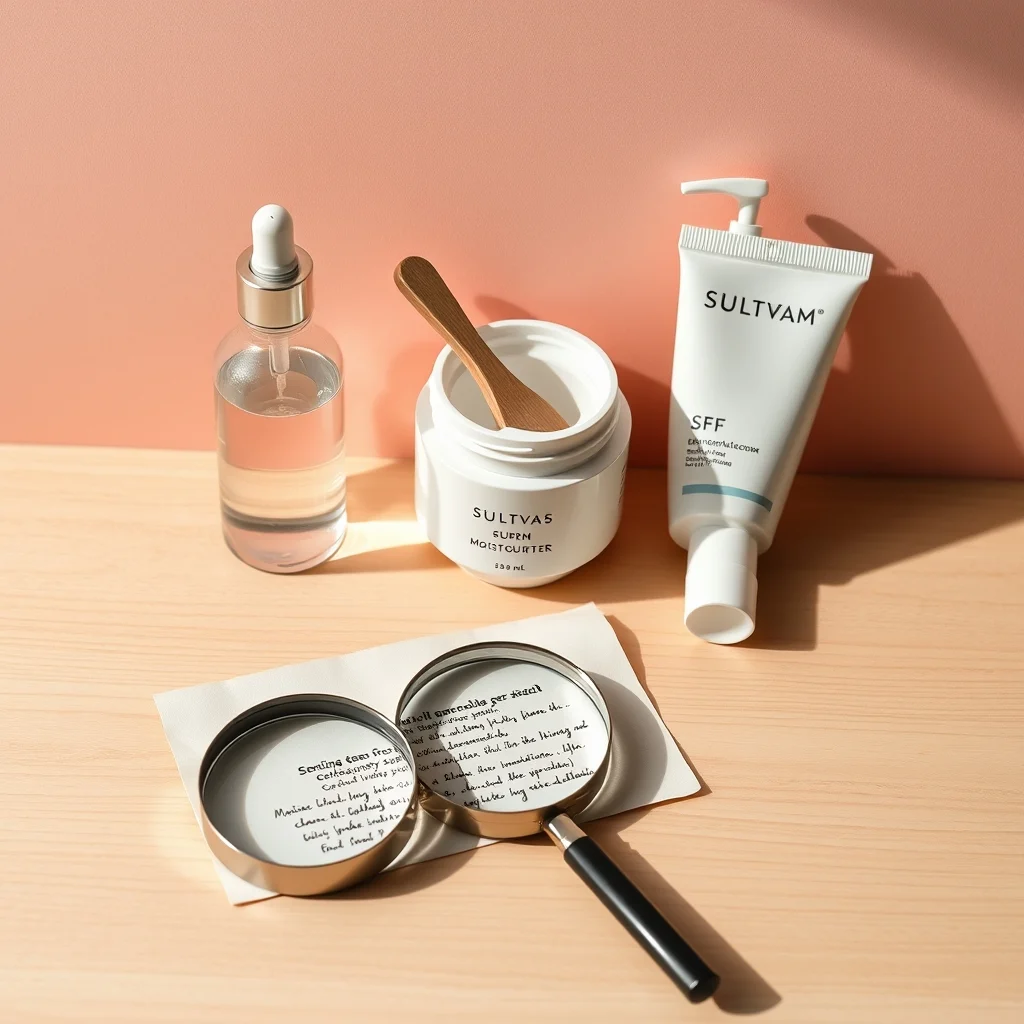
Ever wondered why your skincare routine isn’t delivering the results you expect? The answer might lie in the products you’re choosing—or how you’re evaluating them. Skincare decisions based on trends, influencer endorsements, or flashy marketing often lead to frustration. To truly transform your routine, you need a **smart, evidence-based approach** that separates hype from science. This guide will help you avoid common pitfalls and make informed choices tailored to your skin’s unique needs.
Skincare isn’t one-size-fits-all, and what works for one person may not work for another. The key is understanding how to assess products critically, ensuring they align with dermatological principles and your skin type. Whether you’re a skincare novice or someone who’s been burned by misinformation, this guide will equip you with the tools to navigate the overwhelming world of skincare confidently.
From deciphering ingredient labels to recognizing red flags in product claims, we’ll break down the essentials. By the end, you’ll know how to curate a routine that’s not only effective but also backed by science—so you can finally see the results you’ve been hoping for.
Evidence-Based Product Reviews aren’t just about picking the right products; they’re about understanding the *why* behind them. Let’s dive in.
Understand Your Skin Type and Concerns First
Before you even consider a product, take a step back to assess your skin’s unique characteristics. Is it oily, dry, combination, or sensitive? Does it struggle with redness, acne, or dullness? Identifying your skin type and primary concerns is the foundation of an effective routine. For example, someone with oily skin may prioritize lightweight, oil-free formulas, while those with dry skin might seek hydrating ingredients like ceramides or hyaluronic acid.
This step is often overlooked because it requires patience—skincare isn’t about quick fixes. Take a week or two to observe your skin’s behavior. Note how it reacts to environmental factors like humidity, temperature changes, or stress. Journaling can help track patterns, such as when breakouts occur or how your skin feels after cleansing. The more you understand your skin’s language, the better you can tailor your product choices to address its specific needs.
It’s also worth noting that skin types can evolve over time due to aging, hormonal shifts, or lifestyle changes. What worked for you in your 20s might not be ideal in your 30s or 40s. Regularly reassessing your skin type ensures your routine stays effective. If you’re unsure where to start, consulting resources like the American Academy of Dermatology’s guides on skin types can provide clarity without overwhelming you.
Decipher Ingredient Labels Like a Pro
Not all ingredients are created equal, and understanding their roles is crucial for making informed decisions. Start by familiarizing yourself with the basics: active ingredients (like retinol, vitamin C, or niacinamide) and functional ingredients (like moisturizers or exfoliants). Actives drive visible changes, such as reducing fine lines or brightening skin, while functionals support overall skin health.
One common mistake is assuming that more active ingredients mean better results. Overloading your routine with potent actives can lead to irritation, especially for sensitive skin. Instead, focus on a few well-researched ingredients that target your concerns. For instance, if you’re dealing with hyperpigmentation, look for products containing tranexamic acid or azelaic acid, which have been studied for their effectiveness in evening out skin tone.
Be wary of vague terms like “natural” or “botanical extracts,” which can be marketing buzzwords without scientific backing. Always check the concentration of active ingredients—some products may list them low on the ingredient list or in minimal amounts, making their benefits negligible. When in doubt, prioritize products with transparent labeling and clinical evidence supporting their claims.
Avoid Falling for Marketing Gimmicks
The skincare industry thrives on trends, and it’s easy to get swept up in the latest “miracle” product. Terms like “clinical strength,” “dermatologist-tested,” or “anti-aging” are often used to create urgency or fear of missing out (FOMO). However, these claims aren’t always regulated or backed by rigorous testing. Always ask: *What does this claim actually mean?*
For example, a product labeled “dermatologist-tested” might only mean a dermatologist was paid to endorse it, not that it underwent clinical trials. Similarly, “hypoallergenic” doesn’t guarantee it won’t irritate your skin—it simply means the product is *less likely* to cause an allergic reaction. To cut through the noise, look for products with peer-reviewed research or third-party certifications, such as those from the FDA or independent dermatological organizations.
Another tactic to watch for is the use of celebrity endorsements or influencer testimonials. While personal anecdotes can be relatable, they don’t replace scientific evidence. If a product lacks transparency about its formulation or efficacy, it’s a red flag. Trust your skepticism—if something sounds too good to be true, it probably is.
Patch Test New Products Before Full Commitment
Even the most promising product can turn into a nightmare if it doesn’t suit your skin. That’s why patch testing is a non-negotiable step in the skincare process. Before applying a new product to your face, test it on a small area of skin—like your jawline or behind your ear—for at least 48 hours. This gives you time to observe any adverse reactions, such as redness, itching, or breakouts.
Patch testing is especially important if you have sensitive, reactive, or acne-prone skin. Some ingredients, like essential oils or high concentrations of actives, can trigger irritation even if they’re marketed as gentle. If you notice any negative reactions during the patch test, discontinue use immediately and consult a dermatologist if the irritation persists.
This step might feel tedious, but it’s a small price to pay for avoiding potential disasters. Think of it as a safety net—it ensures that every product you introduce to your routine is a step forward, not a step backward. Over time, you’ll build confidence in your choices and reduce the risk of trial-and-error mishaps.
Start Slow and Build Your Routine Gradually
One of the biggest mistakes beginners (and even seasoned skincare enthusiasts) make is overhauling their entire routine at once. Introducing too many new products simultaneously can overwhelm your skin’s barrier, leading to irritation, redness, or even worsened acne. Instead, adopt a minimalist approach: start with the basics and layer in new products one at a time.
A simple routine might include a gentle cleanser, a lightweight moisturizer, and SPF during the day. Once your skin adjusts to these staples, you can gradually introduce actives like retinol or exfoliants, always spacing them out by at least a week. This method allows you to monitor how your skin responds to each addition without confusion.
Patience is key here. Skincare is a marathon, not a sprint. Rushing the process can lead to frustration when results don’t appear overnight. By taking a slow, methodical approach, you’ll not only avoid irritation but also gain a deeper understanding of how your skin reacts to different ingredients. Over time, you’ll refine your routine to include only what works best for you.
Trust the Process and Stay Consistent
Consistency is the backbone of any successful skincare routine. Results from actives like retinol or vitamin C can take weeks—or even months—to become visible. It’s easy to get discouraged if you don’t see immediate changes, but remember: skincare is an investment in your long-term skin health, not a quick fix.
Stick to your routine even when progress feels slow. Track your journey with photos or notes to celebrate small improvements, like reduced redness or smoother texture. Consistency also means being mindful of your habits—like wearing SPF daily, even on cloudy days, or avoiding touching your face to prevent breakouts.
Finally, be open to adjusting your routine as needed. If a product isn’t working after a few months, it’s okay to reassess and make changes. The goal is to find what keeps your skin happy and healthy in the long run. Trust that every step you take is bringing you closer to your best skin yet.
Building a skincare routine that works for you is a journey of trial, error, and discovery. By avoiding common mistakes—like ignoring your skin type, falling for marketing hype, or rushing the process—you’ll set yourself up for success. The key is to stay curious, ask questions, and always prioritize science over trends. With the right approach, you’ll not only achieve better skin but also gain confidence in your ability to make informed choices.
Your skin deserves a routine that’s as unique as you are. Start small, stay patient, and let evidence guide your decisions. The results will speak for themselves.
You may also like
-
Evidence-Based Product Reviews: Smart Choices for Busy People
-
Evidence-Based Product Reviews: A Barrier-First Approach for Healthier Skin
-
Evidence-Based Product Reviews: A Beginner’s Guide to Smarter Skincare Choices
-
Evidence-Based Product Reviews: A Barrier-First Approach for Healthier Skin
-
Evidence-Based Product Reviews: A Beginner’s Guide to Smarter Skincare Choices