
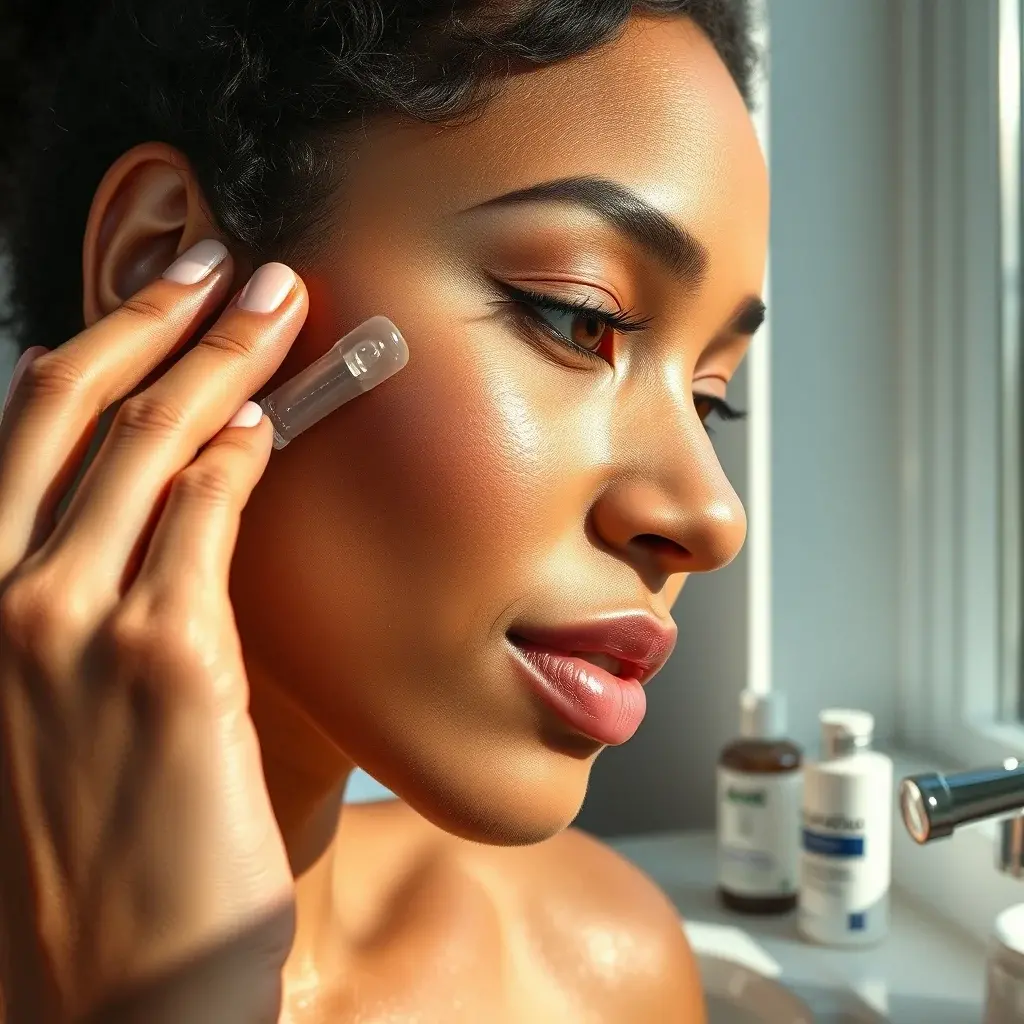
Struggling with redness, tightness, or breakouts no matter what products you try? The secret to healthy skin isn’t just about what you put on it—it’s about understanding how your skin’s **barrier functions** and which ingredients actually support it. Many skincare routines focus on quick fixes or trendy actives, but neglecting your skin’s protective layer can lead to long-term damage. The good news? A barrier-first approach simplifies your routine while delivering real results.
Why Your Skin Barrier Matters More Than You Think
Your skin barrier is like a brick wall, with cells held together by lipids (fats) that lock in moisture and keep irritants out. When this barrier is compromised—whether from harsh products, over-exfoliation, or environmental stressors—your skin becomes prone to dryness, sensitivity, and even acne. The key to fixing these issues isn’t adding more products, but choosing the right ones that repair and strengthen this protective layer.
Think of it as building a foundation before decorating a house. Without a strong barrier, even the most expensive serums won’t work effectively. Ingredients like ceramides, cholesterol, and fatty acids are the building blocks your skin needs to stay resilient. These aren’t just buzzwords—they’re scientifically proven to restore balance and prevent future damage.
How to Identify Barrier-Damaging Ingredients
Not all skincare ingredients are created equal. Some, like alcohol denat. or high concentrations of essential oils, can strip your skin of its natural oils, leaving it vulnerable. Others, such as physical scrubs or overused chemical exfoliants (like AHAs/BHAs), can weaken the barrier over time. The goal isn’t to avoid these ingredients entirely, but to use them mindfully and in moderation.
For example, if you love exfoliating, opt for gentler acids like lactic acid (an AHA) or polyhydroxy acids (PHAs), which are less likely to cause irritation. Pair them with soothing ingredients like aloe vera or panthenol to minimize damage. The American Academy of Dermatology recommends patching testing new products to avoid unexpected reactions, especially if you have sensitive skin.
The Best Ingredients for a Stronger Barrier
If your skin feels tight, flaky, or reactive, it’s likely crying out for barrier-supporting ingredients. Ceramides are at the top of the list—they mimic the lipids naturally found in your skin, helping to repair and maintain its structure. Look for products with a mix of ceramides (like Ceramide NP, AP, and EOP) for the best results.
Hyaluronic acid is another powerhouse, but not for the reason you might think. While it’s famous for its hydrating properties, it also helps your skin retain moisture by drawing water into the barrier. Pair it with occlusives like squalane or petrolatum to lock in that hydration. For sensitive skin, colloidal oatmeal and niacinamide can calm inflammation while reinforcing the barrier.
Simplifying Your Routine for Maximum Results
A barrier-first approach doesn’t mean you need a 10-step routine. In fact, less is often more. Start with a gentle cleanser that doesn’t disrupt your skin’s pH, followed by a hydrating serum (like one with hyaluronic acid or glycerin), and finish with a moisturizer rich in ceramides or fatty acids. If your skin is particularly dry or sensitive, consider adding a thin layer of an occlusive (like a balm) at night to seal everything in.
Consistency is key. Unlike trendy actives that promise overnight results, barrier repair takes time—usually 4-6 weeks. Stick with your routine, and you’ll notice fewer flare-ups, less redness, and a more even complexion. Remember, the goal isn’t perfection, but skin that feels comfortable and resilient in its own right.
Common Mistakes That Weaken Your Barrier
One of the biggest mistakes people make is overcomplicating their skincare. Layering too many actives (like retinol, vitamin C, and exfoliants) at once can overwhelm your skin, leading to irritation and a compromised barrier. Instead, introduce new products one at a time and give your skin a chance to adjust.
Another pitfall is skipping sunscreen. UV damage doesn’t just cause wrinkles—it breaks down the lipids in your skin barrier, making it weaker over time. Even if you’re indoors most of the day, a broad-spectrum SPF 30 or higher is non-negotiable. Opt for mineral-based sunscreens with zinc oxide or titanium dioxide if your skin is sensitive.
How to Tell If Your Barrier Is Healing
Your skin will give you clear signals when it’s on the mend. A healthy barrier feels supple, not tight or greasy, and looks even-toned without excessive redness or dry patches. You might also notice that your skin tolerates products better—no more stinging or burning when applying your usual routine.
If you’re still seeing signs of damage (like persistent flaking or irritation), take a step back and simplify your routine. Focus on hydration and repair for a few weeks before reintroducing actives. Your skin will thank you for the patience.
Building a skincare routine around your barrier isn’t about following the latest trends—it’s about giving your skin what it needs to thrive. Start with the basics, listen to your skin, and adjust as you go. Over time, you’ll find that fewer products can lead to better results, and your skin will look and feel healthier than ever.