
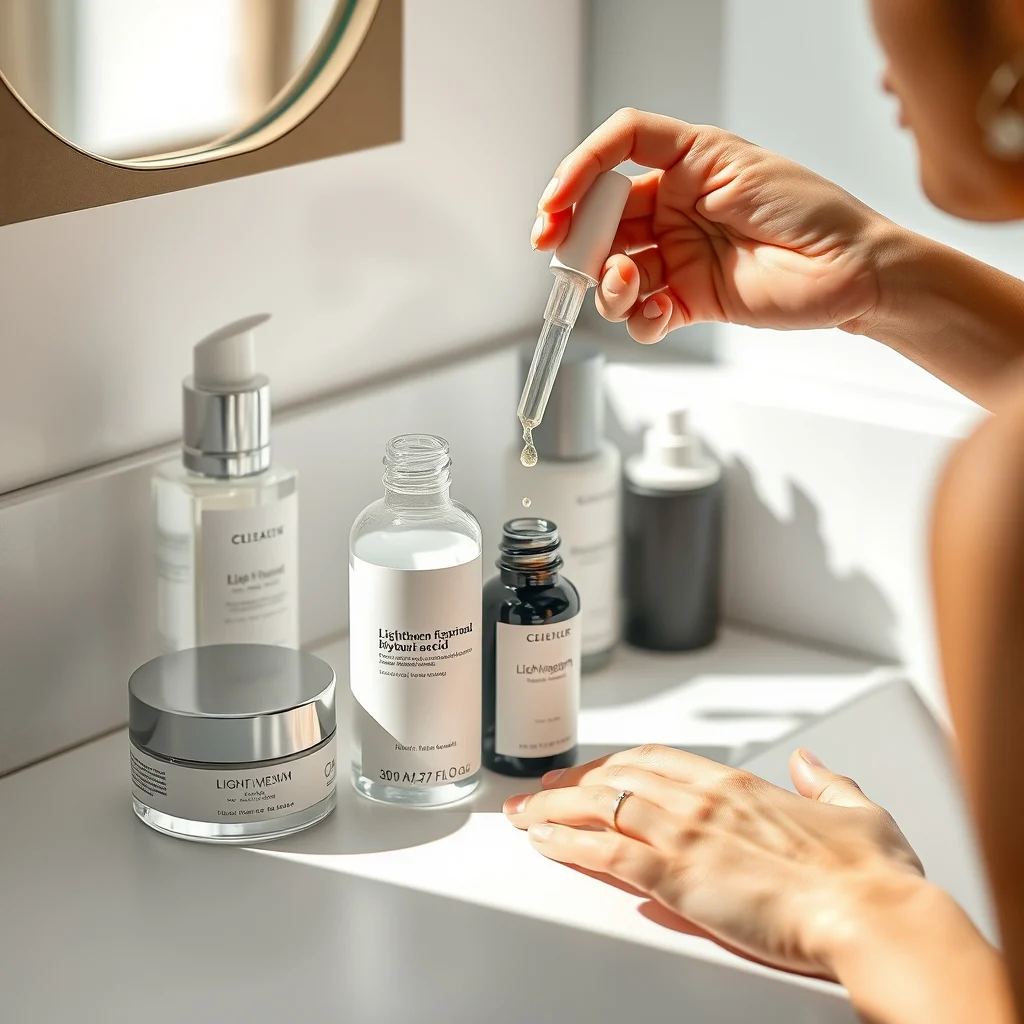
Ever feel overwhelmed by the endless shelves of serums, moisturizers, and cleansers, each promising miraculous results? You’re not alone. Understanding skincare science doesn’t require a chemistry degree—just a few key insights to cut through the noise. Whether you’re rushing between meetings or juggling family life, knowing how ingredients work can help you build a simple, effective routine that fits your lifestyle. Let’s break it down into actionable steps so you can achieve healthier skin without the guesswork.
Why Ingredients Matter More Than Marketing
Skincare products often boast flashy claims, but the real magic lies in their ingredients. For example, hyaluronic acid isn’t just a trendy term—it’s a humectant that draws moisture into the skin, making it a powerhouse for hydration. Similarly, niacinamide, a form of vitamin B3, helps regulate oil production and soothes inflammation. By focusing on what’s inside the bottle rather than the packaging, you can make smarter choices that align with your skin’s needs.
Not all ingredients play well together, though. Mixing retinol with vitamin C, for instance, can reduce effectiveness or cause irritation. A quick scan of the ingredient list can save you from wasted time and money. Look for products with a short, transparent list of active ingredients to avoid unnecessary fillers that don’t contribute to your skin’s health.
Simplify Your Routine with Multi-Taskers
Busy schedules demand efficiency, and your skincare routine should be no different. Instead of layering multiple products, opt for multi-tasking ingredients that address several concerns at once. Ceramides, for example, strengthen the skin barrier while locking in moisture, making them ideal for both dry and sensitive skin types. Another great option is azelaic acid, which tackles acne, redness, and hyperpigmentation simultaneously.
Start with a gentle cleanser to remove impurities without stripping your skin. Follow up with a serum or moisturizer containing one or two active ingredients, like vitamin C in the morning and retinol at night. This streamlined approach ensures you’re giving your skin what it needs without overcomplicating your routine.
The Right Order for Maximum Results
Layering products in the correct order ensures they penetrate the skin effectively. The general rule is to apply from thinnest to thickest consistency. Start with water-based serums, followed by thicker creams or oils. For instance, after cleansing, apply a lightweight hyaluronic acid serum before sealing it in with a moisturizer. This sequence allows each product to do its job without interference.
Timing matters, too. Some ingredients, like retinol, are best used at night because they can make your skin more sensitive to sunlight. Others, like vitamin C, work well in the morning to protect against environmental damage. By aligning your routine with your daily schedule, you can maximize the benefits of each ingredient.
Listen to Your Skin’s Feedback
Your skin is unique, and what works for someone else might not work for you. Pay attention to how your skin reacts to new products. If you notice redness, dryness, or breakouts, it might be a sign to adjust your routine. Introduce one new product at a time to pinpoint what’s causing the issue.
Patch testing is a simple way to avoid adverse reactions. Apply a small amount of the product to your inner arm or behind your ear and wait 24 hours to see if any irritation occurs. This small step can save you from discomfort and help you build a routine that truly suits your skin.
Affordable Doesn’t Mean Ineffective
You don’t need to splurge on high-end products to see results. Many drugstore brands offer formulations with the same active ingredients as luxury lines. For example, a budget-friendly moisturizer with ceramides can be just as effective as a pricier option. The key is to focus on the ingredient list rather than the price tag.
Look for products with proven ingredients like glycerin for hydration or salicylic acid for acne. These are often available at lower price points and can deliver impressive results. By prioritizing efficacy over branding, you can build a high-performing routine without breaking the bank.
Consistency Over Perfection
Skincare isn’t about achieving flawless skin overnight—it’s about consistency. Even the most effective ingredients take time to show results. Stick with your routine for at least four to six weeks before expecting noticeable changes. This patience pays off, as your skin gradually adapts and improves.
If you’re short on time, focus on the basics: cleanse, moisturize, and protect. A simple routine done consistently is far more effective than an elaborate one that’s abandoned after a few days. Remember, healthy skin is a marathon, not a sprint.
Now that you have the tools to decode skincare science, it’s time to put them into action. Start with one or two key ingredients, observe how your skin responds, and adjust as needed. With a little knowledge and consistency, you’ll be well on your way to a routine that works for your skin—and your schedule. For more tips on safe and effective skincare, check out the American Academy of Dermatology’s guidelines.