
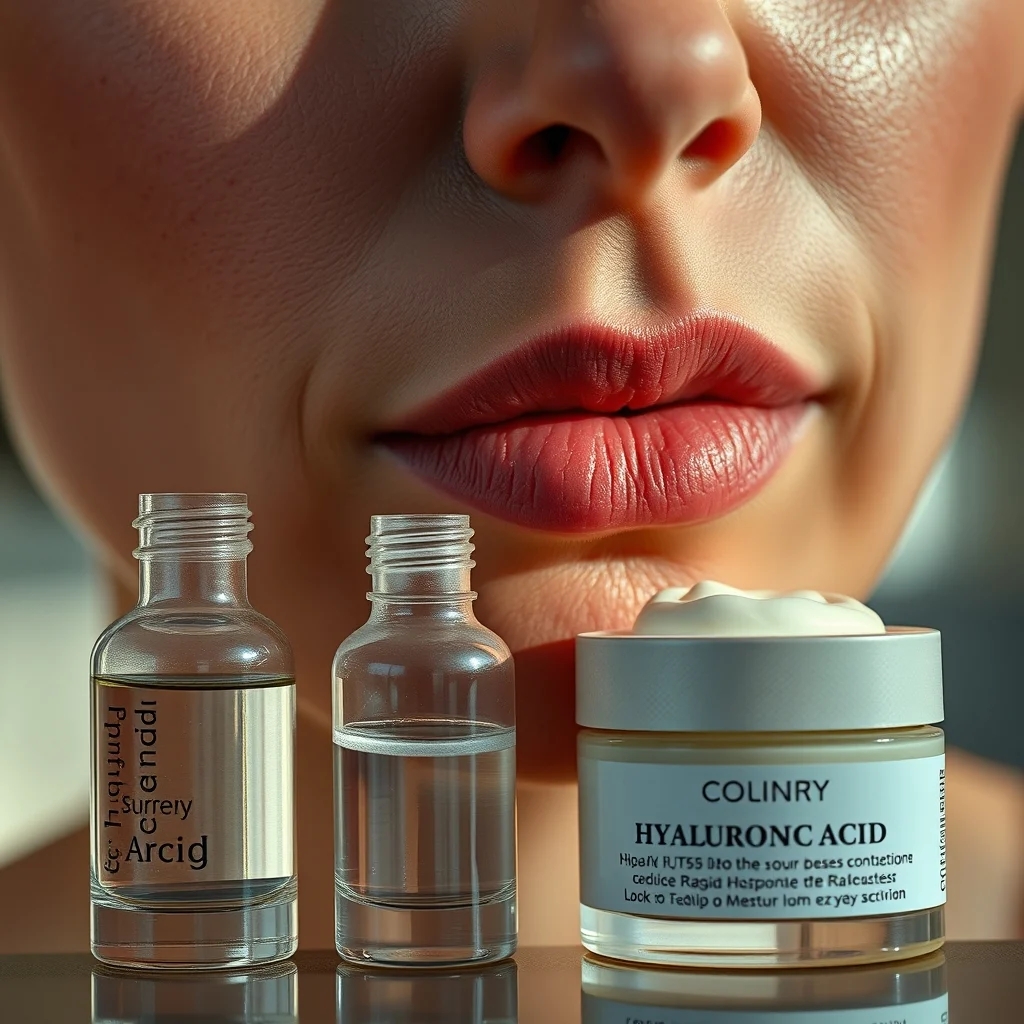
Ever wonder why your dry, sensitive skin reacts to some products like a live wire but glows after others? The secret lies in understanding how **skincare ingredients work**—especially when your skin’s natural defenses are already on high alert. While many skincare routines focus on hydration or exfoliation, dry and sensitive skin demands a gentler, more strategic approach to avoid irritation while addressing underlying concerns.
Understanding Your Skin’s Unique Needs
Dry and sensitive skin often struggles with a compromised skin barrier, which is the skin’s first line of defense against environmental stressors. This barrier, made up of lipids, proteins, and ceramides, can weaken over time due to harsh ingredients, over-exfoliation, or even environmental factors like cold weather. When this barrier is compromised, your skin loses moisture more easily and becomes more reactive to irritants, leading to redness, tightness, or even flare-ups.
To tackle this, the key is to focus on ingredients that repair and strengthen the barrier while providing hydration. Think of it as rebuilding a crumbling wall—you don’t just slap on a fresh coat of paint (or moisturizer) without fixing the foundation first. Ingredients like ceramides, cholesterol, and fatty acids play a crucial role in restoring this protective layer, while hyaluronic acid and glycerin work to draw moisture into the skin.
Transitioning to a gentler routine doesn’t mean sacrificing results. It’s about choosing the right tools for the job. For instance, a mild cleanser with soothing properties, such as those containing oat extract or panthenol, can cleanse without stripping the skin of its natural oils. This sets the stage for the rest of your skincare routine to work effectively.
Key Ingredients for Dry and Sensitive Skin
Not all ingredients are created equal when it comes to sensitive skin. Some actives, like alpha hydroxy acids (AHAs) or beta hydroxy acids (BHAs), can be too abrasive for daily use, even in diluted forms. However, there are gentler alternatives that deliver similar benefits without the irritation. For example, lactic acid, a type of AHA, is often more tolerable for sensitive skin because it has a larger molecular size, which means it penetrates more slowly and causes less irritation.
Other soothing ingredients, such as aloe vera, allantoin, and niacinamide, can help calm redness and inflammation. Niacinamide, in particular, is a powerhouse for sensitive skin because it strengthens the barrier, reduces redness, and even helps regulate oil production—making it a versatile addition to any routine. Pairing these ingredients with a rich, emollient base like shea butter or squalane ensures your skin stays hydrated without feeling weighed down.
When in doubt, always patch-test new ingredients to see how your skin reacts. This step is especially important for sensitive skin, as reactions can vary widely from person to person. If you notice any redness, itching, or stinging after applying a product, it’s a sign that ingredient isn’t suitable for your skin at that time.
How to Layer Ingredients for Maximum Benefit
Layering ingredients correctly can make or break your skincare routine, especially for sensitive skin. The general rule is to apply products from thinnest to thickest consistency, allowing each layer to absorb before adding the next. Start with a hydrating serum, such as one containing hyaluronic acid, followed by a lightweight moisturizer. If you’re using an active ingredient like niacinamide, introduce it after your cleanser but before your moisturizer to allow it to penetrate effectively.
For those with very sensitive skin, it’s often best to stick to a simpler routine with fewer ingredients. Overloading your skin with multiple actives can lead to irritation and disrupt the balance of your microbiome. Instead, focus on a few key ingredients that address your specific concerns—whether that’s hydration, barrier repair, or soothing inflammation.
Another tip is to avoid mixing incompatible ingredients. For example, vitamin C and retinoids are both popular actives, but they can irritate sensitive skin when used together. If you’re interested in incorporating both into your routine, it’s best to use them on alternate days or at different times of the day to minimize potential irritation.
Common Mistakes to Avoid
One of the most common mistakes people make with dry and sensitive skin is using products that contain alcohol, fragrance, or artificial dyes. These ingredients can strip the skin of its natural oils and trigger irritation, making your skin feel even drier and more reactive. Always check the ingredient list for these red flags, and opt for products labeled as “fragrance-free” and “alcohol-free” when possible.
Another mistake is skipping sunscreen, even on cloudy days. UV rays can exacerbate dryness and sensitivity, leading to further damage over time. A mineral-based sunscreen with zinc oxide or titanium dioxide is often the gentlest option for sensitive skin, as it provides broad-spectrum protection without causing irritation.
Lastly, don’t overlook the importance of a good nighttime routine. While daytime products focus on protection and hydration, nighttime is when your skin repairs itself. This is the ideal time to introduce more potent ingredients like peptides or gentle exfoliants, as your skin is more receptive to absorption during sleep.
Building a Routine That Works for You
Creating a skincare routine for dry and sensitive skin is all about trial and error. Start with a minimalist approach—cleanser, moisturizer, and sunscreen—and gradually introduce new products as your skin adapts. Keep a skincare journal to track how your skin reacts to different ingredients, noting any changes in texture, hydration levels, or irritation.
If you’re unsure where to start, consider consulting a dermatologist or skincare professional who can provide personalized recommendations based on your skin’s specific needs. They can help you navigate the world of ingredients and routines to find what works best for you.
Remember, skincare isn’t one-size-fits-all. What works for one person might not work for another, especially when it comes to sensitive skin. The goal is to find a routine that nourishes, protects, and soothes—without causing any unwanted reactions.
For more guidance on building a skincare routine tailored to your skin type, visit the American Academy of Dermatology for expert advice and resources.