
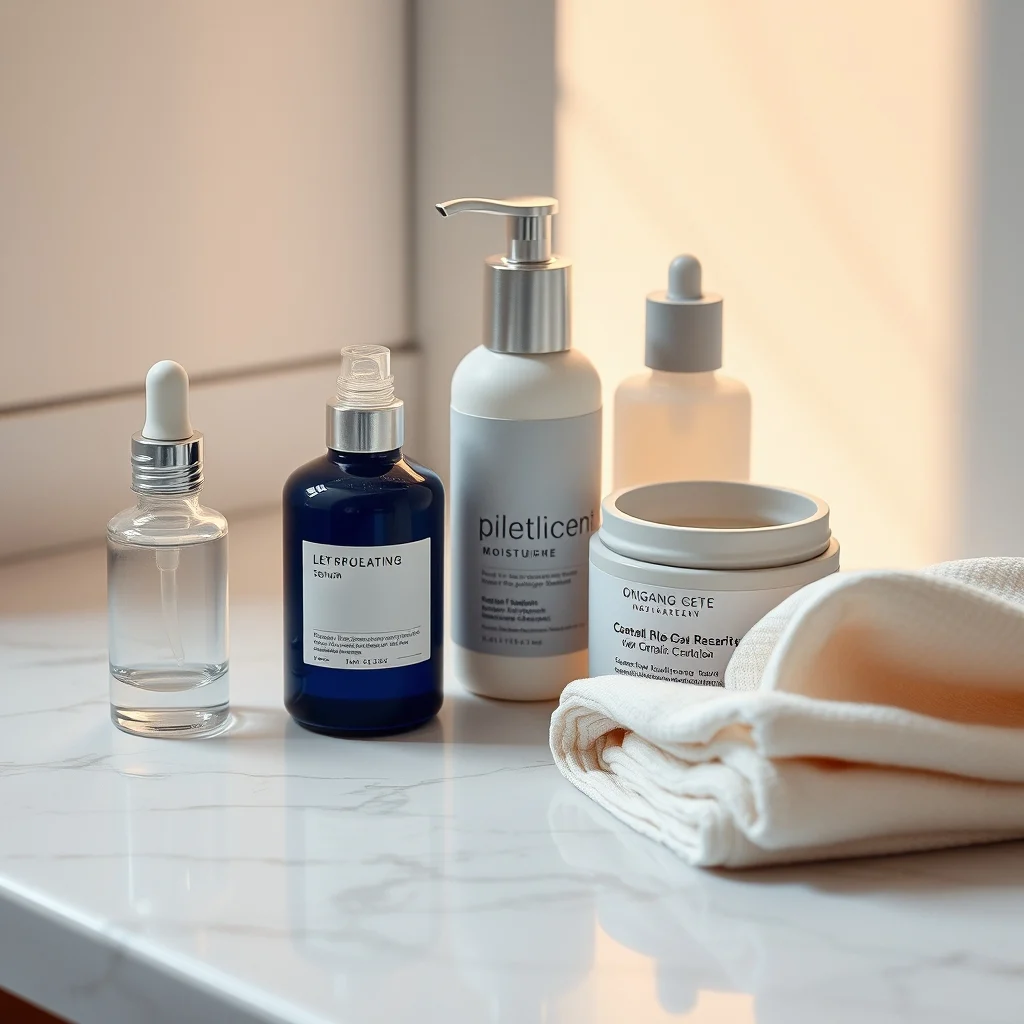
Ever feel like your skincare routine is a maze of conflicting advice? You’re not alone. Between social media trends and decades-old beauty myths, it’s easy to feel overwhelmed by what *actually* works for your skin. The truth is, many of these so-called ‘tips’ can do more harm than good—especially if you have sensitive or reactive skin. Let’s cut through the noise and focus on what truly matters: a simple, effective approach rooted in science and simplicity.
Why Your Skin Needs a Barrier-First Approach
A healthy skin barrier is your skin’s first line of defense against irritation, dryness, and environmental stressors. When this barrier is compromised—whether from over-exfoliation, harsh ingredients, or frequent washing—your skin becomes more susceptible to redness, breakouts, and dullness. The barrier-first philosophy emphasizes repairing and strengthening this protective layer before diving into active ingredients like retinoids or acids. Think of it as building a sturdy foundation before adding decorative layers.
Many people assume that slathering on serums and potions is the key to glowing skin, but this can often backfire. Overloading your skin with actives can disrupt its natural balance, leading to irritation or even worse skin conditions. Instead, prioritize gentle, hydrating products that nourish and protect. This approach isn’t just for sensitive skin—it’s a game-changer for anyone looking to achieve long-term skin health without unnecessary fuss.
For example, if you’re dealing with redness or dry patches, reaching for a heavy moisturizer with ceramides or hyaluronic acid can help restore your skin’s moisture barrier. These ingredients work to lock in hydration and repair the outer layer of your skin, making it more resilient over time. It’s a subtle but powerful shift from reactive skincare to proactive care.
The Truth About Skinimalism: Less Is Often More
Skinimalism isn’t just a buzzword—it’s a mindful approach to skincare that encourages simplicity and intentionality. The idea is to strip back to the essentials: cleanse, moisturize, and protect. This doesn’t mean neglecting your skin; it means focusing on what truly moves the needle. If your routine includes a dozen products, ask yourself whether each one is adding real value or just clutter.
One of the biggest misconceptions is that more products equal better results. In reality, overcomplicating your routine can lead to product buildup, clogged pores, or irritation. Skinimalism encourages you to focus on high-quality, multi-functional products that address multiple concerns without overloading your skin. For instance, a lightweight moisturizer with SPF can replace multiple steps in your morning routine, saving you time and simplifying your regimen.
Another common myth is that you need to use strong actives like acids or retinoids daily to see results. While these ingredients can be effective, they often require a gradual introduction to avoid irritation. Skinimalism suggests starting slow—perhaps using an active once or twice a week—and pairing it with gentle, hydrating products. This balanced approach ensures your skin adapts without stress.
Myth: You Need to Exfoliate Daily for Glowing Skin
Exfoliation is often glorified as the holy grail of skincare, but overdoing it can wreak havoc on your skin’s barrier. Daily exfoliation, especially with harsh physical scrubs or strong chemical exfoliants, can strip away natural oils and leave your skin vulnerable to irritation and sensitivity. The key is to exfoliate *smartly*—not necessarily frequently.
For most people, exfoliating 1–2 times a week with a gentle chemical exfoliant (like lactic acid or PHA) is sufficient to slough off dead skin cells without causing damage. Physical exfoliants, such as scrubs, can be too abrasive and should be used sparingly, if at all. If your skin feels tight, red, or overly sensitive after exfoliation, it’s a sign you’ve overdone it. Listen to your skin—it’s the best indicator of what it needs.
Another myth is that exfoliation alone will give you that coveted ‘glass skin’ look. While exfoliation helps with texture and brightness, it’s just one piece of the puzzle. Hydration, sun protection, and a healthy lifestyle play equally important roles. Think of exfoliation as a supporting act, not the main event.
Debunking the ‘More Is Better’ Mentality
The idea that stacking products will yield faster or better results is a persistent myth in skincare. In reality, your skin can only absorb so much at once, and layering too many actives can lead to irritation or diminished effectiveness. For example, mixing a vitamin C serum with a retinoid in the same routine might cause redness or stinging, especially for beginners.
To avoid this, introduce new actives one at a time and give your skin time to adjust. If you’re using a vitamin C serum, wait a few weeks before adding a retinoid to see how your skin responds. Similarly, if you’re using a hydrating serum, pair it with a lightweight moisturizer rather than layering on heavy creams that can clog pores. The goal is harmony, not chaos.
Another misconception is that natural or ‘clean’ products are automatically better for your skin. While it’s important to avoid harmful ingredients like parabens or sulfates, not all natural ingredients are gentle or effective. For instance, some essential oils can be highly irritating, even if they’re plant-based. Always check ingredient lists and opt for products that align with your skin’s needs—whether that’s hydration, soothing, or brightening.
What to Do Instead: Simple Swaps for Healthier Skin
If you’ve been following skincare trends that feel overwhelming or counterproductive, it’s time to simplify. Start by swapping out harsh products for gentler alternatives and focusing on hydration and protection. For example, replace a foaming cleanser with a creamy, hydrating one to avoid stripping your skin of its natural oils.
Incorporate a broad-spectrum sunscreen into your daily routine—yes, even on cloudy days. Many people underestimate the importance of sun protection, but it’s one of the most effective ways to prevent premature aging and skin damage. A lightweight, non-greasy SPF can easily be layered under makeup or moisturizer, making it a seamless part of your routine.
Finally, consider your lifestyle habits. Skincare isn’t just about products—it’s also about hydration, diet, and sleep. Drinking plenty of water, eating a balanced diet rich in antioxidants, and getting enough rest can make a noticeable difference in your skin’s appearance and health. Small, consistent changes often yield the best results over time.
Ready to simplify your skincare routine without sacrificing results? Start by focusing on your skin’s barrier, choosing products with intention, and listening to what your skin tells you. With a little patience and mindfulness, you’ll be well on your way to healthier, happier skin—without the confusion or clutter.
For more information on skincare best practices, visit the American Academy of Dermatology.
You may also like
-
Skincare Myths Debunked: What Most People Get Wrong About Peptides & Regenerative Actives
-
Common Skincare Myths Debunked: A Beginner’s Guide to Smarter Skin Care
-
Common Skincare Myths Debunked: Quick Tips for Busy People
-
Skincare Myths Debunked: What Most People Get Wrong About Skin Care Routines
-
Skincare Myths Debunked: What Most People Get Wrong About Skin Care